 Essential oils
 Aroma lamps
 Aroma Diffusers
 Vegetables
 Herbs and spices
 Ornamental Plant Seeds
 Grass mixtures
 Sprouts and microgreens
 Exotic Fruit and Vegetables
 Exotic herbs
 Exotic trees and shrubs
 Ornamental exotic plants
 Espresso coffee
 Ecological coffee preparation
 Thermal mugs and coffee cups
 Aeropress
 Thermos flasks and thermal mugs for coffee and tea
 Moka pot
 Filter coffee
 Coffee blends
 Water filtration
 Coffee grinders
 Cleaning the Coffee Maker
 Ecological Cleaning of Coffee Machines
 Coffee makers
 Coffee Preparation
 Coffee Accessories
 For wildlife and pets
 Chocolate and others
 Hemp food products
 Hemp cosmetics
 Bongs - water pipes
 Blunts and tubes
 E-liquids with Terpenes and CBD
 Grinders and Mills
 Papers and filters
 Smoking accessories
 Vaporizers
 Air fresheners
 CBD sprays
 CBD and CBN crystals
 CBD body and facial care
 Weeds
 CBD suppositories and capsules
 CBD oils and drops
 CBG oils and drops
 Fashion and Decoration
 Kitchen essentials and cooking
 Christmas Decorations and Accessories
 Gift Sets
 Bird feeders
 Seasonal and Special Tools

 Our products
 Aromatherapy - essential oils
 Seeds
 Growing supplies
 Cultivation and Gardening Supplies
 Hydroponics and indoor growing
 Protective equipment and gardening tools
 Exotic plants
 Roasted coffee
 Accessories for coffee makers
 Food products
 Natural cosmetics
 Smoking supplies
 CBD and CBG products
 House and garden


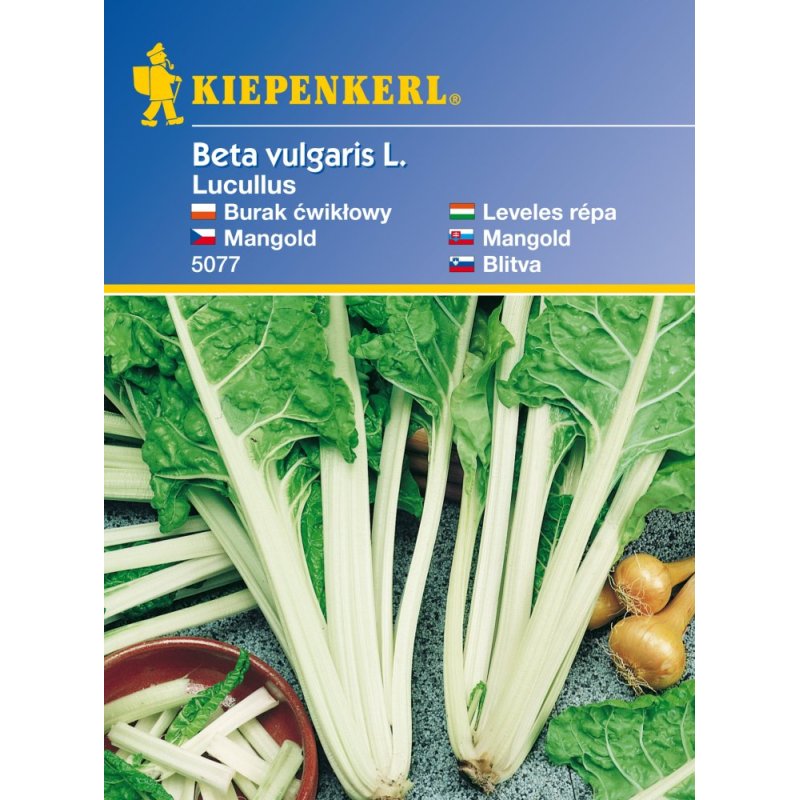
Chard is an excellent healthy vegetable that deserves a place in every garden and kitchen. This versatile leafy green can be used as a spinach substitute in cooking and offers numerous culinary possibilities.
Chard is perfect for:
Chard is an undemanding vegetable that grows well even for beginner gardeners. It's hardy, productive, and provides fresh leaves throughout the growing season. Perfect for home gardens and allotments.
 Wide range of quality products
Seeds, essential oils, growing supplies and exotic plants in one place
 Eco-friendly range
We prefer natural and gentle products
 Expert advice
We help you grow – guides, blog and personal support
 Delivery across the EU
PPL, DPD, GLS and local carriers – pickup point or home delivery
It has very strong, often reddish leaf stalks and large blistered leaves. We distinguish two types of chard – leaf chard and stalk chard. Leaf chard has finer stalks and smaller blistered leaves in green, green-purple, purple to red colors. Stalk chard has heavily ribbed leaves and thick stalks. Chard leaves are used in the kitchen similarly to spinach, while the stalks substitute for asparagus. It contains high amounts of vitamin C, provitamin A, minerals, and fiber. Among minerals, it contains potassium, phosphorus, calcium, magnesium, sodium, and iron. It contains rutin, quercetin and ascorbic acid (vitamin C). The leaves are added to salads, used for spinach or in combination with other vegetables. The stems are braised or cooked with meat, and the color of the stems enhances every dish.
It requires a sunny location and a sheltered position. It doesn't thrive in locations exposed to frequent rain and subsequent soil drying. During the growing season, keep the bed weed-free, loosen the soil, and water regularly. It grows well near onions, lettuce, or bush beans. You can also grow it alongside sage, thyme, mint, dill, or garlic. In autumn, remove the leaves from the plants, leaving only the heart. Place the prepared seedlings in a cold frame, greenhouse, or polytunnel where they'll be protected from frost. In April, tender leaves will appear. Chard plants can overwinter directly in their location. It's necessary to cover the plants with suitable material, such as leaves or straw.
For summer harvest, grow it from direct sowing around mid-April; for autumn harvest, sow from the beginning of June.
Plant leaf types at 30 x 20 cm spacing, stalk types at 50 x 30 cm. Sow seeds at a depth of about 3 cm. Plants will emerge in approximately ten days. Then thin out the seedlings about two weeks after emergence.
It prefers quality soils with sufficient nutrients.
In less fertilized soils, add nitrogen fertilizers. Given the short growing season, additional fertilization in nutrient-rich soils is neither desirable nor necessary.
Chard generally doesn't suffer from diseases. It's only attacked by aphids, which can be eliminated with soapy water or special insecticides – it's important to observe the protective period. Root rot is caused by poor care – frequent watering with large amounts of water, or planting young plants in permanently waterlogged soil.
Harvest gradually from August by breaking off mature leaves or all at once by cutting off the entire above-ground part. You can perform several harvests.
Data sheet
Specific References
Your review appreciation cannot be sent
Report comment
Report sent
Your report cannot be sent
Write your review
Review sent
Your review cannot be sent
Chard is an excellent healthy vegetable that deserves a place in every garden and kitchen. This versatile leafy green can be used as a spinach substitute in cooking and offers numerous culinary possibilities.
Chard is perfect for:
Chard is an undemanding vegetable that grows well even for beginner gardeners. It's hardy, productive, and provides fresh leaves throughout the growing season. Perfect for home gardens and allotments.
check_circle
check_circle