 Essential oils
 Aroma lamps
 Aroma Diffusers
 Vegetables
 Herbs and spices
 Ornamental Plant Seeds
 Grass mixtures
 Sprouts and microgreens
 Exotic Fruit and Vegetables
 Exotic herbs
 Exotic trees and shrubs
 Ornamental exotic plants
 Espresso coffee
 Ecological coffee preparation
 Thermal mugs and coffee cups
 Aeropress
 Thermos flasks and thermal mugs for coffee and tea
 Moka pot
 Filter coffee
 Coffee blends
 Water filtration
 Coffee grinders
 Cleaning the Coffee Maker
 Ecological Cleaning of Coffee Machines
 Coffee makers
 Coffee Preparation
 Coffee Accessories
 For wildlife and pets
 Chocolate and others
 Hemp food products
 Hemp cosmetics
 Bongs - water pipes
 Blunts and tubes
 E-liquids with Terpenes and CBD
 Grinders and Mills
 Papers and filters
 Smoking accessories
 Vaporizers
 Air fresheners
 CBD sprays
 CBD and CBN crystals
 CBD body and facial care
 Weeds
 CBD suppositories and capsules
 CBD oils and drops
 CBG oils and drops
 Fashion and Decoration
 Kitchen essentials and cooking
 Christmas Decorations and Accessories
 Gift Sets
 Bird feeders
 Seasonal and Special Tools

 Our products
 Aromatherapy - essential oils
 Seeds
 Growing supplies
 Cultivation and Gardening Supplies
 Hydroponics and indoor growing
 Protective equipment and gardening tools
 Exotic plants
 Roasted coffee
 Accessories for coffee makers
 Food products
 Natural cosmetics
 Smoking supplies
 CBD and CBG products
 House and garden

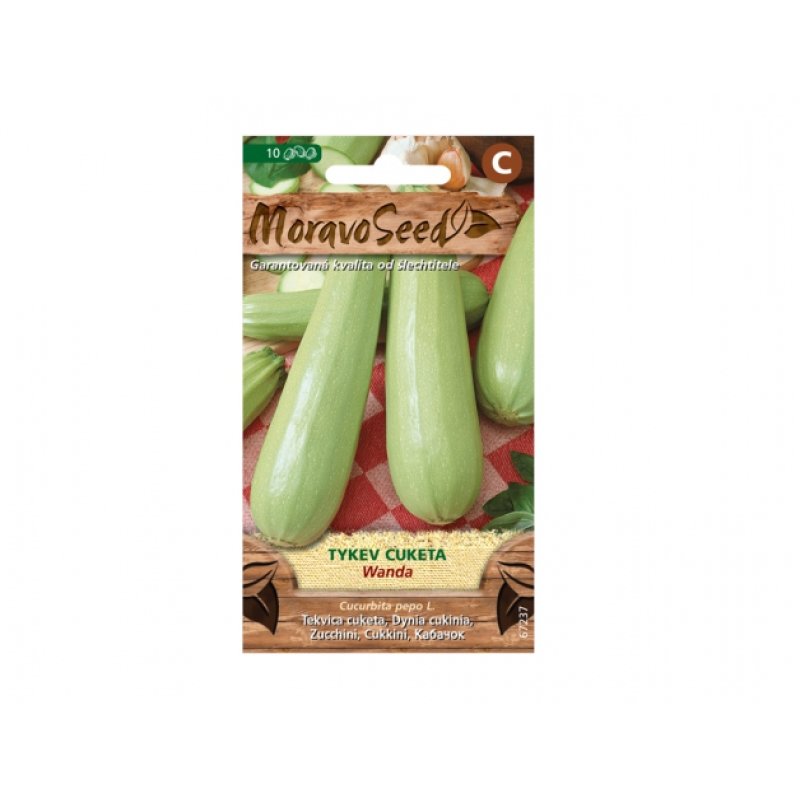
An early variety of gourmet squash suitable for direct consumption and preservation. The cylindrical fruit is greenish-white and reaches an average weight of 1.5 kg. The package contains 10 seeds.
 Wide range of quality products
Seeds, essential oils, growing supplies and exotic plants in one place
 Eco-friendly range
We prefer natural and gentle products
 Expert advice
We help you grow – guides, blog and personal support
 Delivery across the EU
PPL, DPD, GLS and local carriers – pickup point or home delivery
Zucchini is an annual vegetable that belongs to the species Cucurbita pepo and originates from Central America. However, the zucchini comes from Europe - it was bred in Italy. There are many different varieties of zucchini that differ not only in size, but also in shape, color, and the taste of their flesh. It produces long, fleshy shoots similar to vines, on which yellow flowers bloom from June onwards. After flowering, elongated fruits form that can display various shades of green, yellow, or white.
Zucchini is rich in minerals. The fruits contain vitamin B, C, and potassium, which helps the body eliminate excess water and salt. They have a high water content of approximately 90% and are also rich in fiber. Zucchini is a low-calorie food suitable for weight-loss diets.
Plants require a sunny location. Regular watering is essential, with settled rainwater being best. Planting in black mulch fabric is recommended, as it helps warm the soil and prevents weed growth. If growing zucchini without mulch fabric, mulch around them with organic material to maintain soil warmth.
Plants can be pre-grown, but can also be sown directly in the bed.
Seeds are sown on site after May 15, when the risk of ground frost has passed. Soak seeds in lukewarm water for a day before sowing. Plant in rows, spacing them 50 to 100 centimeters apart individually.
Seeds can be pre-grown indoors on a windowsill, in a greenhouse, or in a cold frame. A substrate designed for sowing is suitable. Pots must be at least 10 cm large, as plants require plenty of space. Plant 1 seed per pot. Transplant outdoors only in the second half of May, and hardening off should precede planting.
They require a warm, sheltered location and well-drained, nutrient-rich growing substrate. They can also be grown on compost.
Organic fertilizers or plant extracts rich in potassium are most suitable for fertilizing. During the growing season, enrich the growing substrate with organic fertilizer or a potassium-rich plant extract once every 21 days.
Zucchini are relatively resistant to diseases. During hot and dry weather, downy mildew may occur. Plants grow poorly and a grayish coating appears on the leaves. Prevention includes regular watering and maintaining moderately moist soil. If mildew occurs, infected leaves must be removed. Resistance to mildew can be increased with fungicides. If white coatings appear on plants, they have been infected with powdery mildew. Fungicides containing sulfur are suitable and will effectively eliminate the fungal disease.
Flowers and young fruits are often attacked by slugs. The most effective method is to collect and destroy them. Aphids can spread viral mosaic between plants, which manifests as stunted and distorted growth, twisted leaves, and yellow spots on leaves and fruits. Infected plants must be destroyed immediately. Aphids must also be eliminated using special insecticides.
Begin harvesting when fruits reach a length of 7 centimeters or more (maximum 20 centimeters). Pick zucchini from the plant with a stem several centimeters long, which will help them stay fresh for a few days longer.
Data sheet
Specific References
Your review appreciation cannot be sent
Report comment
Report sent
Your report cannot be sent
Write your review
Review sent
Your review cannot be sent
An early variety of gourmet squash suitable for direct consumption and preservation. The cylindrical fruit is greenish-white and reaches an average weight of 1.5 kg. The package contains 10 seeds.
check_circle
check_circle