 Essential oils
 Aroma lamps
 Aroma Diffusers
 Vegetables
 Herbs and spices
 Ornamental Plant Seeds
 Grass mixtures
 Sprouts and microgreens
 Exotic Fruit and Vegetables
 Exotic herbs
 Exotic trees and shrubs
 Ornamental exotic plants
 Espresso coffee
 Ecological coffee preparation
 Thermal mugs and coffee cups
 Aeropress
 Thermos flasks and thermal mugs for coffee and tea
 Moka pot
 Filter coffee
 Coffee blends
 Water filtration
 Coffee grinders
 Cleaning the Coffee Maker
 Ecological Cleaning of Coffee Machines
 Coffee makers
 Coffee Preparation
 Coffee Accessories
 For wildlife and pets
 Chocolate and others
 Hemp food products
 Hemp cosmetics
 Bongs - water pipes
 Blunts and tubes
 E-liquids with Terpenes and CBD
 Grinders and Mills
 Papers and filters
 Smoking accessories
 Vaporizers
 Air fresheners
 CBD sprays
 CBD and CBN crystals
 CBD body and facial care
 Weeds
 CBD suppositories and capsules
 CBD oils and drops
 CBG oils and drops
 Fashion and Decoration
 Kitchen essentials and cooking
 Christmas Decorations and Accessories
 Gift Sets
 Bird feeders
 Seasonal and Special Tools

 Our products
 Aromatherapy - essential oils
 Seeds
 Growing supplies
 Cultivation and Gardening Supplies
 Hydroponics and indoor growing
 Protective equipment and gardening tools
 Exotic plants
 Roasted coffee
 Accessories for coffee makers
 Food products
 Natural cosmetics
 Smoking supplies
 CBD and CBG products
 House and garden


It pairs beautifully with tomatoes, herb sauces, vegetable dishes and salads with rosemary. Combined with sage, it's ideal for fish dishes.
 Wide range of quality products
Seeds, essential oils, growing supplies and exotic plants in one place
 Eco-friendly range
We prefer natural and gentle products
 Expert advice
We help you grow – guides, blog and personal support
 Delivery across the EU
PPL, DPD, GLS and local carriers – pickup point or home delivery
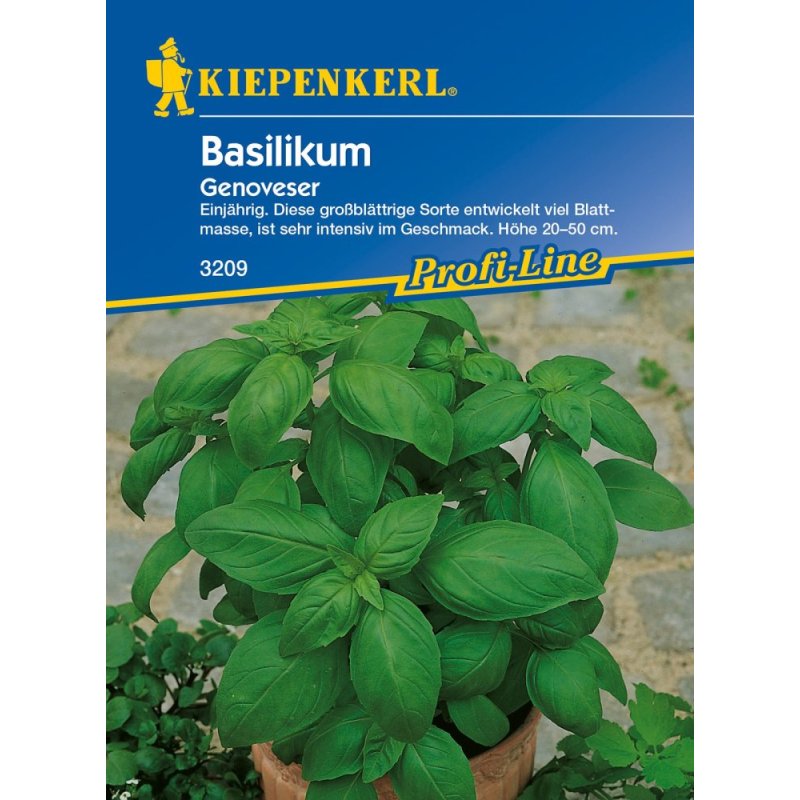
Originates from India and other humid tropical regions of Asia, where it has been cultivated for over 5000 years. This aromatic plant belongs to the mint family. It flowers from June to September. Depending on the variety, it grows to a height of 20 - 60 cm. It is grown as an ornamental plant in window boxes, where besides its fragrance, its ability to repel flies is also welcomed. It is characterized by high content of vitamin C, minerals, essential oils and tannins. Its beneficial effects have been confirmed on the digestive tract - it increases appetite, acts against bloating, stimulates digestive activity, breaks down fats and stimulates bile production.
Its greatest use is found in the kitchen. Especially in combination with tomatoes and Italian specialties. Basil pesto is also well known. We mainly use basil leaves in their fresh state, as drying usually causes them to lose part of their typical aroma. The most flavorful part of the plant are the young leaves.
Basil is an excellent plant for container growing. You can enjoy fresh harvest in the comfort of your home all year round!
Basil likes humus-rich and nutritious soil. It doesn't tolerate waterlogging or severe drought. Choose a sunny location, but not one scorched by the sun. Slightly shaded is most suitable. The ideal temperature is 20°C, but it also tolerates 15°C. In containers, keep the soil moist. Don't water plants at night, the best time for watering is noon. In the garden, basil is an ideal companion for tomatoes because it likes equally rich soil and regular watering. When watering, be careful not to sprinkle the leaves - black spots appear on them. When growing indoors, you can sow basil anytime, even in autumn.
Sow seeds in March to April. Direct sowing in the bed is not suitable because basil doesn't tolerate ground frosts. Mix a little perlite into the substrate. Sprinkle seeds sparsely on the surface and press down lightly. Place the pot in a bright location and water very moderately. Water from below. New seedlings will appear within a month.
Plants require humus-rich and nutritious soil. Flower soil mixed with fertilizer, ordinary garden soil or special substrate for herbs are suitable. When growing indoors, mix a little perlite into the substrate to ensure aeration and thus better plant growth.
Apply complete fertilizer once a week. We can use special fertilizer for herbs.
Plants are susceptible to wet weather. In high humidity, their roots rot and they are attacked by molds. To protect against molds, use available fungicides.
Plants are attacked by aphids and whiteflies. Protect plants with insecticide both preventively and curatively.
Pick leaves one by one throughout the growing season until flowering time (June to July). During flowering, the entire herb is harvested. Cut the plant down to the ground and dry the herb. Continue caring for the basil, it will regrow.
Data sheet
Specific References
Your review appreciation cannot be sent
Report comment
Report sent
Your report cannot be sent
Write your review
Review sent
Your review cannot be sent
It pairs beautifully with tomatoes, herb sauces, vegetable dishes and salads with rosemary. Combined with sage, it's ideal for fish dishes.
check_circle
check_circle