 Essential oils
 Aroma lamps
 Aroma Diffusers
 Vegetables
 Herbs and spices
 Ornamental Plant Seeds
 Grass mixtures
 Sprouts and microgreens
 Exotic Fruit and Vegetables
 Exotic herbs
 Exotic trees and shrubs
 Ornamental exotic plants
 Espresso coffee
 Ecological coffee preparation
 Thermal mugs and coffee cups
 Aeropress
 Thermos flasks and thermal mugs for coffee and tea
 Moka pot
 Filter coffee
 Coffee blends
 Water filtration
 Coffee grinders
 Cleaning the Coffee Maker
 Ecological Cleaning of Coffee Machines
 Coffee makers
 Coffee Preparation
 Coffee Accessories
 For wildlife and pets
 Chocolate and others
 Hemp food products
 Hemp cosmetics
 Bongs - water pipes
 Blunts and tubes
 E-liquids with Terpenes and CBD
 Grinders and Mills
 Papers and filters
 Smoking accessories
 Vaporizers
 Air fresheners
 CBD sprays
 CBD and CBN crystals
 CBD body and facial care
 Weeds
 CBD suppositories and capsules
 CBD oils and drops
 CBG oils and drops
 Fashion and Decoration
 Kitchen essentials and cooking
 Christmas Decorations and Accessories
 Gift Sets
 Bird feeders
 Seasonal and Special Tools

 Our products
 Aromatherapy - essential oils
 Seeds
 Growing supplies
 Cultivation and Gardening Supplies
 Hydroponics and indoor growing
 Protective equipment and gardening tools
 Exotic plants
 Roasted coffee
 Accessories for coffee makers
 Food products
 Natural cosmetics
 Smoking supplies
 CBD and CBG products
 House and garden

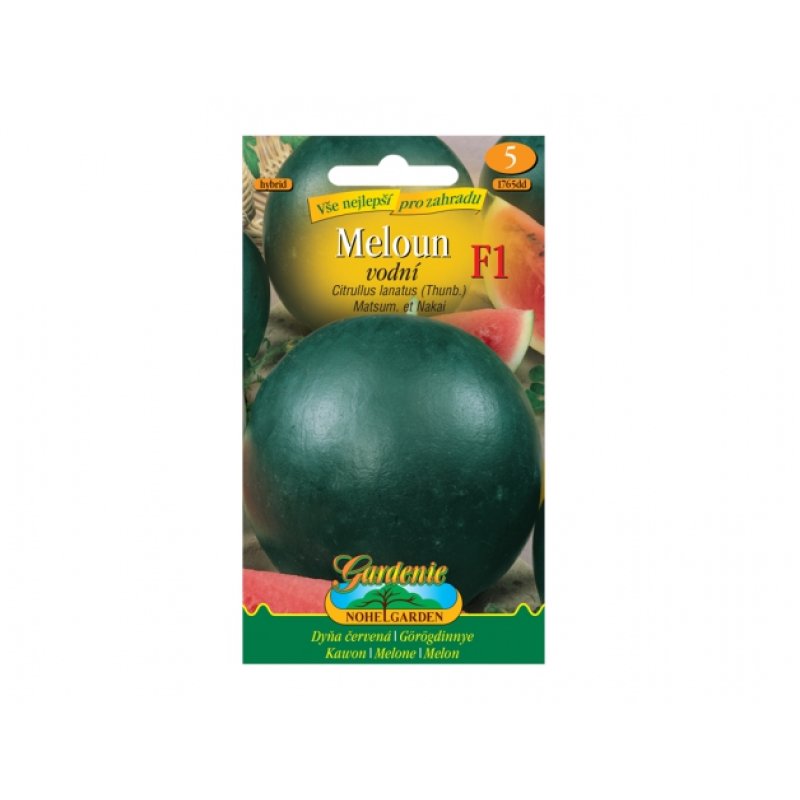
A semi-early watermelon variety that produces fruits with sweet red flesh and green striped skin. Package contains 1 seed.
 Wide range of quality products
Seeds, essential oils, growing supplies and exotic plants in one place
 Eco-friendly range
We prefer natural and gentle products
 Expert advice
We help you grow – guides, blog and personal support
 Delivery across the EU
PPL, DPD, GLS and local carriers – pickup point or home delivery
The cultivated form of melon appeared as early as a thousand years before Christ, in the Mediterranean or subtropical Africa. Melon is a cucurbit fruit vegetable. Its growth habit is creeping or climbing. The fleshy shoots reach a length of 100 - 250 centimeters. There are many types of melons. Among the best known are: sugar melons, which are more aromatic, with softer and firmer flesh and a typical pineapple scent. Charentais melon with its sweet aromatic taste often resembles pineapple or papaya and has an intense, pungent aroma. Galia is light inside and outside. It has a light yellow color and its taste resembles nectarines. Honeydew melon has a very sweet, aromatic and very harmonious taste. It is light yellow on the outside and transitions from green to yellow on the inside. By crossing the netted melon and cantaloupe, the Ogen melon was bred in Israel. Thanks to its slightly sour fruity taste, it is exceptionally refreshing and delicious. Tendral is related to honeydew melon. It tastes very similar to it, but has almost no aroma. The last and best-known type of melon is watermelon. It has a bright red flesh color and black seeds. The flesh is crisp, has a fresh, not too sweet taste and a subtle aroma.
Eating melons is beneficial to health, this vegetable strengthens and cleanses the body. The fruits contain 90 to 95% water and 3 - 5% sugars. They also contain vitamin C. The fruits are very low in calories. In any case, above all, they taste great!
For cultivation, it is suitable to use black non-woven fabric, which accumulates heat. They require a sunny location. Abundant watering, especially during fruit formation.
We start sowing at the end of March. Sowing is done in seed trays or pots. We sow 1 - 2 seeds in one pot. The optimal temperature for germination is 22°C. A special substrate designed for sowing and propagation is suitable, we keep it constantly slightly moist. We place the pots in a bright location. Seeds will germinate within 14 days. At the beginning of May, we start hardening the seedlings and placing them in the final location. We plant the plants at a spacing of approximately 1.5 x 1 m. Or we plant them classically in rows, 2 seedlings at intervals of 30 - 40 cm.
The soil should be permeable and have a neutral reaction (pH in the range of 6.5 to 7.0). The soil must be prepared in autumn by digging or plowing. In spring, we work farmyard manure or compost into the soil so that later fertilization is not necessary.
It is suitable to use universal liquid fertilizer (Cererit, Kristalon - fruit and flower). When the fruits are in the development phase, we apply fertilizer every 14 days. Once the fruits ripen, we reduce fertilization. In autumn or spring, it is necessary to work in organic fertilizer, such as well-rotted compost or manure.
Black rot of cucumber fruits is a dangerous disease that attacks almost all cucurbit vegetables. It manifests itself by browning of leaves from their edges and wateriness and subsequent browning of shoots. After infestation, spraying must be performed. For example, the highly effective preparation Rovral Aqua Flo or Talent can be used.
Two-spotted spider mite attacks a large number of vegetable species. It especially attacks plants grown in greenhouses. Light spots appear on affected leaves, later spider webs are visible on the plants. For example, preparations such as Talstar, Omite and other acaricides work against spider mites.
Plants are also attacked by powdery mildew and aphids. For aphids, we use Mospilan. Against powdery mildew, we choose copper-based fungicides.
Fruit cracking is caused by irregular water supply to the plant. Magnesium deficiency is recognized by light leaves with dark green veining. Yellowing of leaves in melons is a manifestation of excess water.
Plants are also attacked by slugs and birds.
The first melons can be harvested around mid-August. A ripe melon can be recognized, for example, by tapping. With a gentle tap, a hollow sound should be heard. A ripe melon can be reliably recognized by the drying and twisting stem.
Data sheet
Specific References
Your review appreciation cannot be sent
Report comment
Report sent
Your report cannot be sent
Write your review
Review sent
Your review cannot be sent
A semi-early watermelon variety that produces fruits with sweet red flesh and green striped skin. Package contains 1 seed.
check_circle
check_circle