 Essential oils
 Aroma lamps
 Aroma Diffusers
 Vegetables
 Herbs and spices
 Ornamental Plant Seeds
 Grass mixtures
 Sprouts and microgreens
 Exotic Fruit and Vegetables
 Exotic herbs
 Exotic trees and shrubs
 Ornamental exotic plants
 Espresso coffee
 Ecological coffee preparation
 Thermal mugs and coffee cups
 Aeropress
 Thermos flasks and thermal mugs for coffee and tea
 Moka pot
 Filter coffee
 Coffee blends
 Water filtration
 Coffee grinders
 Cleaning the Coffee Maker
 Ecological Cleaning of Coffee Machines
 Coffee makers
 Coffee Preparation
 Coffee Accessories
 For wildlife and pets
 Chocolate and others
 Hemp food products
 Hemp cosmetics
 Bongs - water pipes
 Blunts and tubes
 E-liquids with Terpenes and CBD
 Grinders and Mills
 Papers and filters
 Smoking accessories
 Vaporizers
 Air fresheners
 CBD sprays
 CBD and CBN crystals
 CBD body and facial care
 Weeds
 CBD suppositories and capsules
 CBD oils and drops
 CBG oils and drops
 Fashion and Decoration
 Kitchen essentials and cooking
 Christmas Decorations and Accessories
 Gift Sets
 Bird feeders
 Seasonal and Special Tools
- Out of stock

 Our products
 Aromatherapy - essential oils
 Seeds
 Growing supplies
 Cultivation and Gardening Supplies
 Hydroponics and indoor growing
 Protective equipment and gardening tools
 Exotic plants
 Roasted coffee
 Accessories for coffee makers
 Food products
 Natural cosmetics
 Smoking supplies
 CBD and CBG products
 House and garden


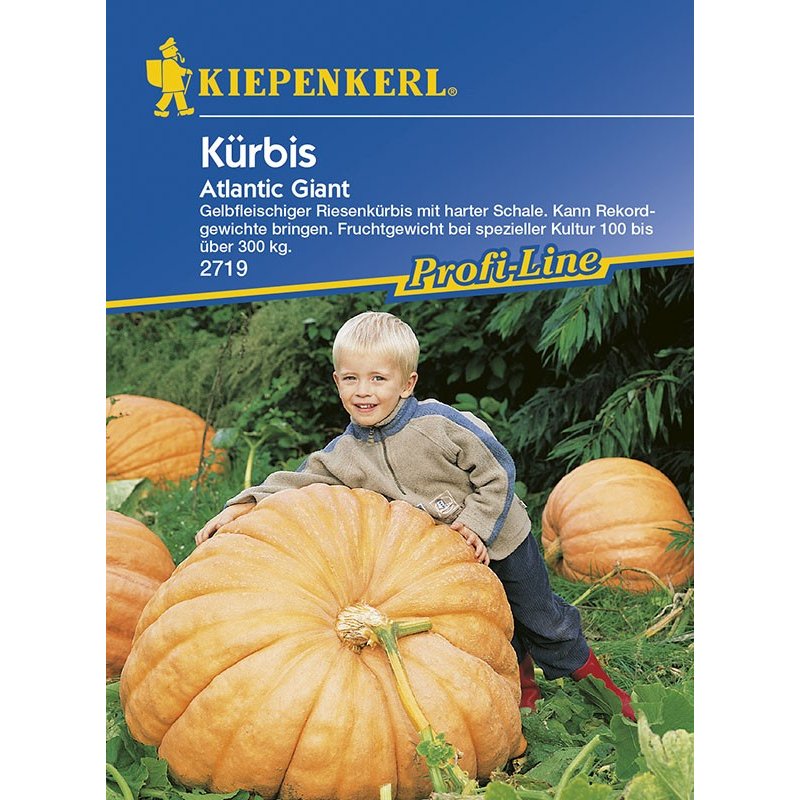
A pumpkin that reaches record sizes! The weight of a single pumpkin ranges from 20 to 250 kg! The flesh is suitable for compote and heat treatment.
 Wide range of quality products
Seeds, essential oils, growing supplies and exotic plants in one place
 Eco-friendly range
We prefer natural and gentle products
 Expert advice
We help you grow – guides, blog and personal support
 Delivery across the EU
PPL, DPD, GLS and local carriers – pickup point or home delivery
Originates from Central America. All species of this genus are vigorously growing annual plants. There are several species of pumpkins and squash, each with dozens to hundreds of varieties of various sizes, shapes, and colors. Pumpkins are divided into two groups according to their use – vegetable and ornamental. The fruits of both types are very diverse in shape and color. The flowers are five-petaled, large, and bright yellow. Ornamental pumpkins can be grown in beds where they creep as ground cover plants. They can also grow on supports.
Classic giant pumpkins can grow up to eight meters in length. Pumpkins contain provitamin A and vitamins B and C, as well as carbohydrates, proteins, fiber, magnesium, iron, and calcium. The seeds also contain zinc. They are suitable for preparing soup, can be stewed, fried, baked, or made into compote. The dried or roasted seeds are also excellent.
Pumpkins and squash require rich soil and plenty of sun and warmth. They can grow directly on pure compost. They don't need excessive watering. Plants must be provided with sufficient space for growth. During the growing season, we weed the bed until the plants form a continuous cover.
Seeds are sown from mid-May. We recommend direct sowing into nests, with spacing of 2x0.5–1 m depending on the variety's growth habit.
They require well-drained soil with sufficient humus and rich in nutrients.
Organic fertilization with farmyard manure or well-decomposed compost is suitable. We can also grow pumpkins directly on compost.
Pumpkins are resistant to diseases and pests, but cucumber powdery mildew may still appear, especially when watering the leaves. Therefore, we avoid wetting the foliage. In case of infection, we treat with copper-based fungicide.
We harvest in early autumn. The skin of ripe fruits is hard and matte. Cracks form on the stem. It's better to dry harvested pumpkins for a few days to prevent them from molding.
Data sheet
Specific References
Your review appreciation cannot be sent
Report comment
Report sent
Your report cannot be sent
Write your review
Review sent
Your review cannot be sent
A pumpkin that reaches record sizes! The weight of a single pumpkin ranges from 20 to 250 kg! The flesh is suitable for compote and heat treatment.
check_circle
check_circle