
 Our products
 Aromatherapy - essential oils
 Essential oils
 Aroma lamps
 Aroma Diffusers
 Seeds
 Vegetables
 Herbs and spices
 Ornamental Plant Seeds
 Grass mixtures
 Sprouts and microgreens
 Growing supplies
 Cultivation and Gardening Supplies
 Hydroponics and indoor growing
 Protective equipment and gardening tools
 Exotic plants
 Exotic Fruit and Vegetables
 Exotic herbs
 Exotic trees and shrubs
 Ornamental exotic plants
 Roasted coffee
 Espresso coffee
 Ecological coffee preparation
 Thermal mugs and coffee cups
 Aeropress
 Thermos flasks and thermal mugs for coffee and tea
 Moka pot
 Filter coffee
 Coffee blends
 Accessories for coffee makers
 Water filtration
 Coffee grinders
 Cleaning the Coffee Maker
 Ecological Cleaning of Coffee Machines
 Coffee makers
 Coffee Preparation
 Coffee Accessories
 Food products
 For wildlife and pets
 Chocolate and others
 Hemp food products
 Natural cosmetics
 Hemp cosmetics
 Smoking supplies
 Bongs - water pipes
 Blunts and tubes
 E-liquids with Terpenes and CBD
 Grinders and Mills
 Papers and filters
 Smoking accessories
 Vaporizers
 Air fresheners
 CBD and CBG products
 CBD sprays
 CBD and CBN crystals
 CBD body and facial care
 Weeds
 CBD suppositories and capsules
 CBD oils and drops
 CBG oils and drops
 House and garden
 Fashion and Decoration
 Kitchen essentials and cooking
 Christmas Decorations and Accessories
 Gift Sets
 Bird feeders
 Seasonal and Special Tools
Aromatherapy with essential oils is gaining popularity as a way to support health naturally. Research shows that certain essential oils can help strengthen the immune system, reduce stress, and support the body's defense mechanisms. In this article, you'll learn how to use aromatherapy effectively, which essential oils to choose, and how to apply them safely.
In short: Aromatherapy uses essential oils such as tea tree, eucalyptus, lavender and bergamot as a complement to medical care, not a replacement. Studies suggest some oils may have antimicrobial and anti-inflammatory effects, while calming oils may reduce stress. Use 3-5 drops per 100 ml of water in a diffuser and dilute oils to 1-2% for massage.
| Diffuser | 3-5 drops per 100 ml of water |
|---|---|
| Bath | 5-8 drops mixed with carrier oil |
| Massage | 1-2% concentration (5-10 drops per 10 ml of carrier oil) |
| Inhalation | 2-3 drops in a bowl of hot water, 5-10 minutes |
| Compress | 3-5 drops per 200 ml of water |
Aromatherapy with essential oils is gaining popularity as a way to support health naturally. Research shows that certain essential oils may help strengthen the immune system, reduce stress and support the body's defenses.
In this article, you'll learn how to use aromatherapy effectively, which essential oils to choose and how to apply them safely.
Contents
- Introduction to aromatherapy and the immune system
- How essential oils can support the immune system
- Latest research findings
- Most effective essential oils for immune support
- Methods of use in aromatherapy
- Practical recipes and blends
- Safety and proper dosage
- Conclusion and recommendations
Introduction to aromatherapy and the immune system
Aromatherapy is a method using natural essential oils to support physical and mental health. These oils contain bioactive substances that according to studies may positively influence immune functions. A healthy immune system is crucial for disease prevention and faster recovery. Aromatherapy can support not only immunity but also overall wellbeing.
How essential oils can support the immune system
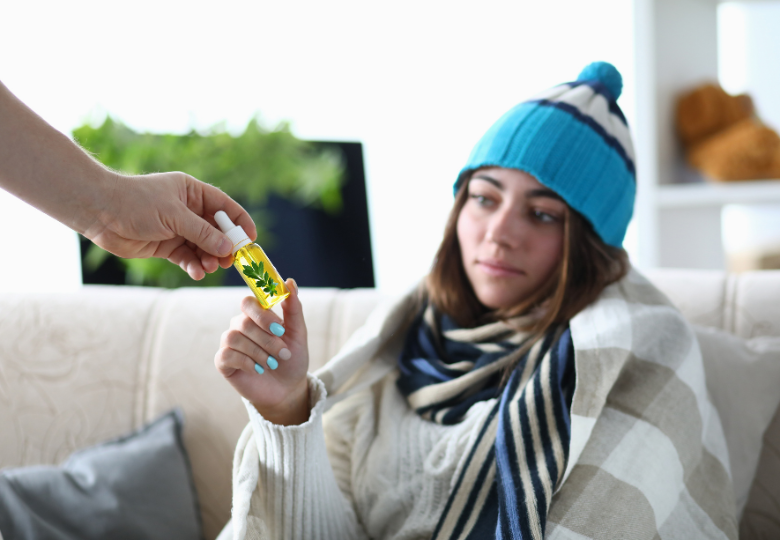
According to current research, essential oils may help support immune functions in several ways:
✅ Antimicrobial Effects
Research suggests that some oils may have the ability to suppress the growth of bacteria, viruses and fungi. Essential oils that help protect the body against infections include tea tree oil, eucalyptus and lavender.
✅ Anti-inflammatory Action
Studies suggest that some essential oils (e.g. ginger, thyme) may help reduce inflammatory processes in the body.
✅ Immunomodulatory Effects (Immune System Influence)
Selected oils (e.g. lavender or bergamot) may, according to studies, influence the activity of immune cells and support balance in the body's defence reactions.
✅ Stress Reduction
Stress is one of the main factors weakening the immune system. Aromatherapy with calming oils (e.g. lavender, mandarin) may help reduce stress and promote relaxation, which can have a positive impact on the body's overall resilience.
Latest Research Findings
Systematic Study (2024): Confirmed anti-inflammatory and antibacterial effects of oils from lemon, orange, cinnamon, thyme and others.
Meta-analysis (2024): Evaluated the impact of essential oils on immune functions – results confirm potential as complementary health support.
Laboratory Research: Shows that tea tree oil influences the production of inflammatory cytokines and eucalyptus supports phagocytosis – the ability of white blood cells to eliminate microorganisms.
Most Effective Essential Oils for Immune Support
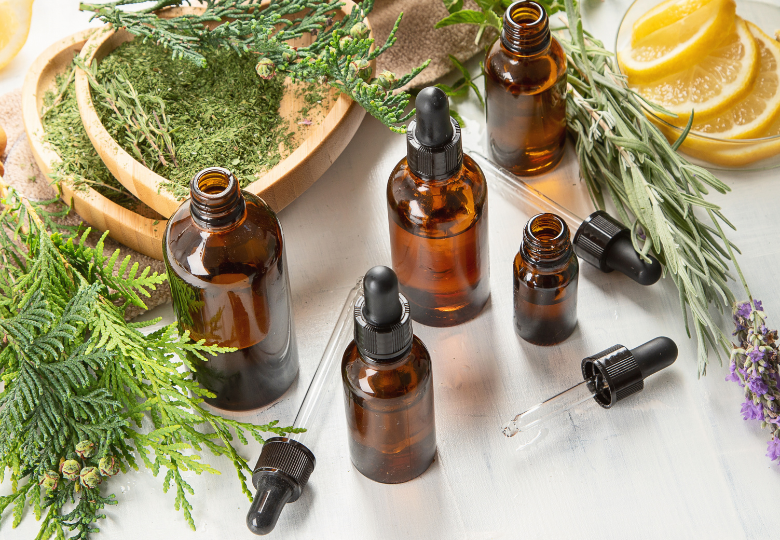
🌿 Tea Tree (Melaleuca alternifolia)
Tea tree oil has strong antimicrobial and anti-inflammatory effects. It helps protect the skin and respiratory tract.
🌿 Eucalyptus (Eucalyptus globulus)
Eucalyptus oil has anti-inflammatory properties according to research. It may support respiratory function and contribute to airway cleansing. It is often used in inhalations during colds.
🌿 Lavender (Lavandula angustifolia)
Lavender oil is valued primarily for its calming effects. Research suggests it may support phagocytosis and reduce bacterial growth. Additionally, it may help reduce stress, which negatively affects immune functions.
🌿 Bergamot (Citrus bergamia)
Bergamot oil may support the production of white blood cells in the body. White blood cells are a key component of the immune system and play an important role in neutralizing infections.
🌿 Clove (Syzygium aromaticum)
Research shows that clove oil may support the immune response of antibodies and proteins, which can speed up the process of recognizing and neutralizing harmful substances.
Other suitable oils:
- Lemon – detoxification and refreshment
- Ginger – anti-inflammatory effect
- Oregano – powerful antioxidant compounds
- Rosemary – vitality and energy
- Cinnamon – helps with colds
Methods of use in aromatherapy
Inhalation
The simplest way to use essential oils. Add 3-5 drops of oil to an aroma lamp or diffuser. Oil molecules reach the respiratory tract, where they may help support respiratory functions.
Aromatherapy Massage
Mix essential oil with carrier oil (almond, coconut, or jojoba) in a ratio of 1:20 to 1:30. Massage can support blood circulation and help with better absorption of active ingredients.
Aromatic Baths
Add 5-8 drops of essential oil mixed with carrier oil or sea salt to a warm bath. Bathing with essential oils can contribute to relaxation and overall well-being.
Compresses
Moisten a cloth in a mixture of water and essential oil (3-5 drops per 200ml of water) and apply to the affected area. This method can be useful for topical application.
Practical Recipes and Blends
💧 Immune Boost - Basic Blend
- 3 drops tea tree oil
- 2 drops eucalyptus oil
- 2 drops lemon oil
- 1 drop rosemary oil
Usage: Add the blend to a diffuser or aroma lamp for 30-60 minutes daily.
❄️Protective Blend for Winter Season
- 3 drops juniper oil
- 2 drops clove oil
- 2 drops ginger oil
- 1 drop cypress oil
Usage: Ideal for a warm bath or for inhalation at the first signs of a cold.
😌Relaxing Blend for Stress Relief
- 3 drops lavender oil
- 2 drops mandarin oil
- 2 drops bergamot oil
- 1 drop ylang-ylang oil
Use: Before bedtime in a diffuser or as an addition to your evening bath.
🌀 Air Purification at Home
- 4 drops lemon oil
- 3 drops tea tree oil
- 2 drops thyme oil
- 1 drop eucalyptus oil
Use: In a diffuser during cleaning or to refresh the air in a room.
💡 Interested in selecting and using a diffuser correctly? Read also:
Diffusers: A Guide to Selection and Effective Use for Perfect Aromatherapy
Safety and Proper Dosage
Important Safety Warnings
Essential oils are not regulated as medicines, which means they have not undergone the intensive research necessary to prove their safety and efficacy. Research from 2022 showed possible negative effects from long-term inhalation of essential oils.
Basic Safety Rules
- Never use essential oils undiluted directly on the skin
- Never use essential oils internally
- Always perform a sensitivity test on a small area of skin
- Keep out of reach of children and pets
- Pregnant women and nursing mothers should consult a doctor before use
Proper Dosage
- Diffuser: 3-5 drops per 100ml of water
- Bath: 5-8 drops mixed with carrier oil
- Massage: 1-2% concentration (5-10 drops per 10ml of carrier oil)
- Inhalation: 2-3 drops in a bowl of hot water
Conclusion and Recommendations
Aromatherapy can be an effective natural support for the immune system, especially during periods of increased stress and infections. The key to success is the proper selection of essential oils, their safe use, and regularity.
Remember that the best investment in health is prevention. Aromatherapy can be a pleasant part of your wellness ritual, but it should always complement, not replace, proven ways of caring for your health.