
 Our products
 Aromatherapy - essential oils
 Essential oils
 Aroma lamps
 Aroma Diffusers
 Seeds
 Vegetables
 Herbs and spices
 Ornamental Plant Seeds
 Grass mixtures
 Sprouts and microgreens
 Growing supplies
 Cultivation and Gardening Supplies
 Hydroponics and indoor growing
 Protective equipment and gardening tools
 Exotic plants
 Exotic Fruit and Vegetables
 Exotic herbs
 Exotic trees and shrubs
 Ornamental exotic plants
 Roasted coffee
 Espresso coffee
 Ecological coffee preparation
 Thermal mugs and coffee cups
 Aeropress
 Thermos flasks and thermal mugs for coffee and tea
 Moka pot
 Filter coffee
 Coffee blends
 Accessories for coffee makers
 Water filtration
 Coffee grinders
 Cleaning the Coffee Maker
 Ecological Cleaning of Coffee Machines
 Coffee makers
 Coffee Preparation
 Coffee Accessories
 Food products
 For wildlife and pets
 Chocolate and others
 Hemp food products
 Natural cosmetics
 Hemp cosmetics
 Smoking supplies
 Bongs - water pipes
 Blunts and tubes
 E-liquids with Terpenes and CBD
 Grinders and Mills
 Papers and filters
 Smoking accessories
 Vaporizers
 Air fresheners
 CBD and CBG products
 CBD sprays
 CBD and CBN crystals
 CBD body and facial care
 Weeds
 CBD suppositories and capsules
 CBD oils and drops
 CBG oils and drops
 House and garden
 Fashion and Decoration
 Kitchen essentials and cooking
 Christmas Decorations and Accessories
 Gift Sets
 Bird feeders
 Seasonal and Special Tools
Aromatherapy, topical application or homemade cosmetics? Essential oils offer plenty of ways to enhance your daily routine. Just learn a few safe methods of use and you can start today.
In short: Use essential oils aromatically, for example 6 to 10 drops in a diffuser, or on the skin, always diluted in a carrier oil such as coconut, almond or jojoba: 1 to 3 drops per teaspoon, or 1 drop per 5 ml for larger areas. Avoid internal use without a doctor or qualified aromatherapist.
| Diffuser | 6–10 drops into the water |
|---|---|
| Skin dilution | 1–3 drops per 1 teaspoon of carrier oil |
| Larger areas (massage) | 1 drop per 5 ml of carrier oil |
| Starting dose for beginners | 1 drop |
| Storage | dark glass bottles, dry and cool place |
Did you know that proper use of essential oils can transform everyday routines into moments of care, relaxation and fragrance? Whether you want to support relaxation, enhance skin care or simply scent your home, essential oils offer many possibilities.
In this practical guide, you'll learn how to use essential oils aromatically, topically and why to be careful with internal use.
We'll advise you on how to dilute them properly, where to apply them and which oils are ideal for beginners.
Table of Contents
- Aromatic Use of Essential Oils
- Topical Use of Essential Oils on Skin
- Internal Use of Essential Oils
- 7 Best Essential Oils for Beginners
- Safe Use of Essential Oils
- Final Summary and Next Step Tip
- FAQ – Frequently Asked Questions About Using Essential Oils
Aromatic Use of Essential Oils
Aromatherapy is among the most common ways to use essential oils. Fragrance affects our mood, releases tension and supports well-being. Just a few drops and the right method of use are all you need.
How to Use Essential Oils Aromatically?
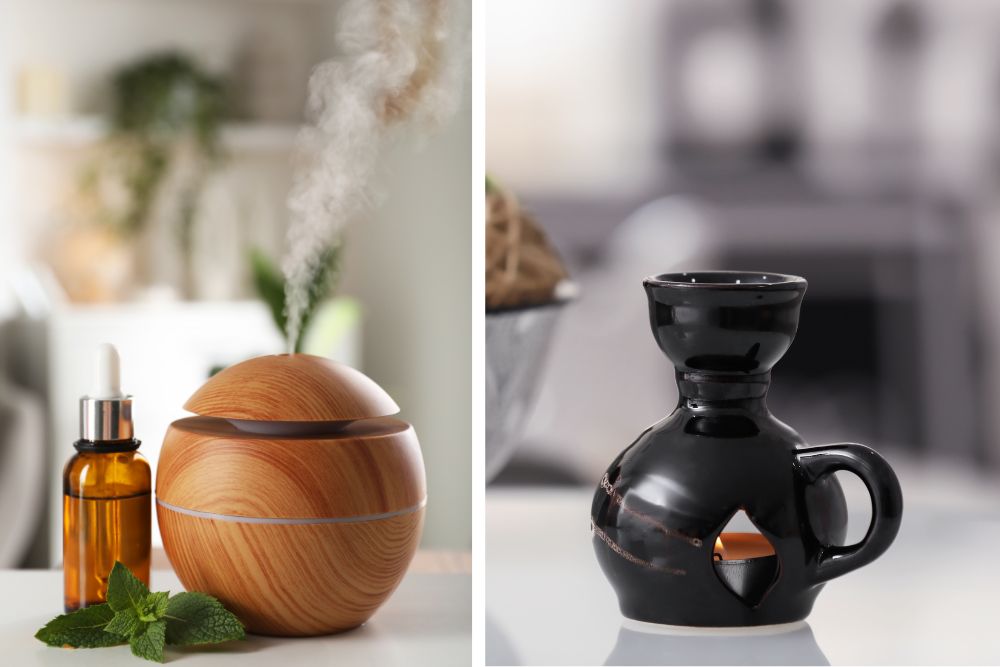
- Diffuser: 6–10 drops into water in the diffuser.
- Aroma Lamp: a few drops into water above a candle.
- Palms: rub a drop of oil into your palms and inhale.
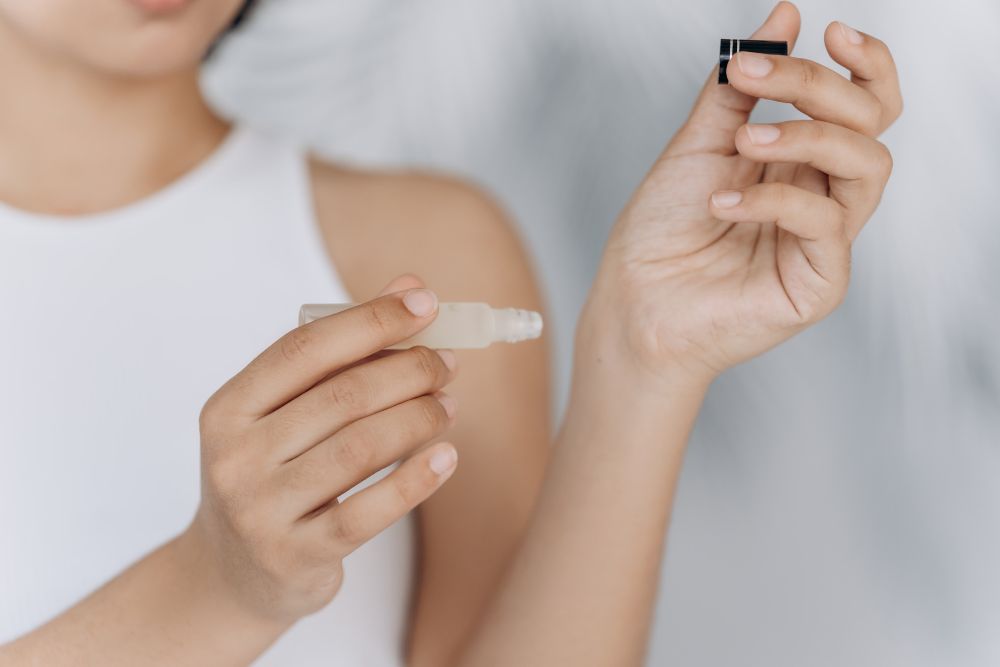
- Perfume: a drop on wrist or neck (diluted in carrier oil).
More Tips for Aromatherapy
- Spray a mixture of oil and water on curtains, cushions or clothing.
- Inhale steam – add a few drops of oil to hot water and cover your head with a towel.
- Drop oil on a cotton ball and place it in the tumble dryer.
Topical Application of Essential Oils on Skin
Another popular method is applying oil directly to the body – but always with dilution! Thanks to carrier oils (e.g. coconut, almond, jojoba), essential oils penetrate the skin safely.
How to Dilute Essential Oils?
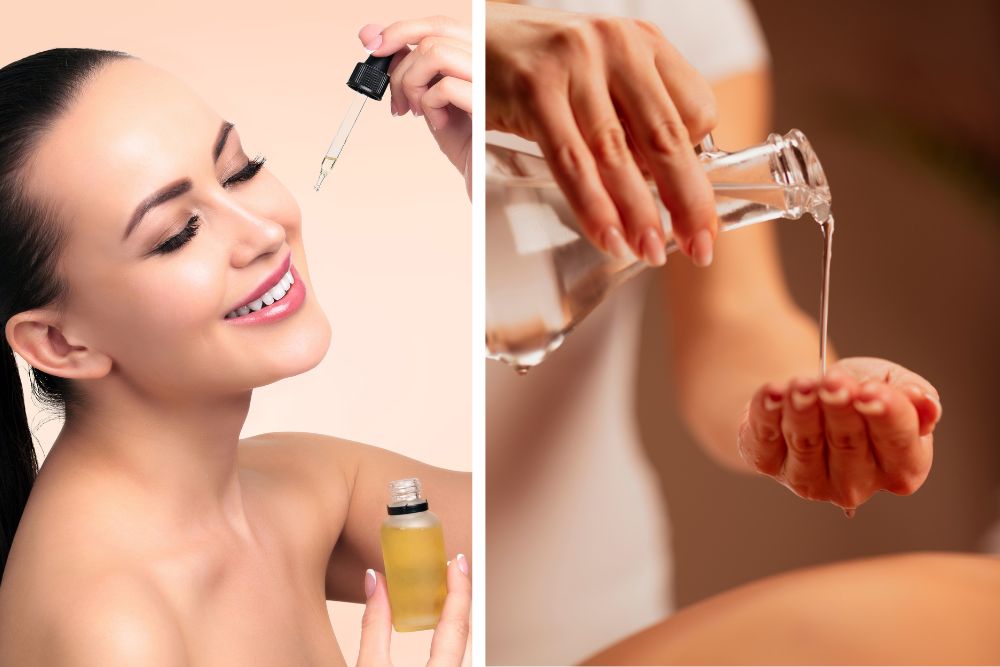
- 1–3 drops of essential oil + 1 teaspoon of carrier oil. For beginners, we recommend starting with 1 drop.
- For larger areas (e.g. back during massage): 1 drop per 5 ml of carrier oil.
- Water is not suitable for dilution – oils don't mix with it.
Where to Apply Essential Oils?
- Temples, forehead, back of neck
- Chest, abdomen
- Wrists, hands, feet
❗Warning: Avoid the eye area, nose, ears and damaged or sensitive skin. Before first use, perform a sensitivity test for the essential oil.
Topical Use of Essential Oils in Practice
- Add a few drops to body lotion, shampoo or cream.
- Compress: add oil to warm water, soak a cloth and apply to the body.
- Relaxing massage with essential oils and carrier oil.
Internal Use of Essential Oils
We strongly advise against internal use of essential oils without consultation with a qualified aromatherapist or doctor. The oils are extremely concentrated and may damage mucous membranes or cause other issues.
7 Best Essential Oils for Beginners
Not sure which essential oil is right for you? You can start with one of these seven popular choices – they're versatile, easy to use, and usually smell wonderful even without prior experience.
Each has its own specific properties and area of use. See which one might suit you best:
Legend:
* Do not expose citrus oils to sunlight (risk of photosensitivity)
⭐⭐⭐ = Ideal for complete beginners | ⭐⭐ = Suitable with caution | ⭐ = For advanced users
Safe Use of Essential Oils
Essential oils are natural, but very potent – and therefore require respect. An overview of basic rules will help you start safely:
- Consult with a specialist (especially during pregnancy, with children, or when dealing with health issues).
- Never use undiluted on skin.
- Start with a small dose, monitor the reaction.
- Perform a sensitivity test (e.g., on the forearm).
- Never expose citrus oils to sunlight (phototoxicity).
- Avoid eyes, ears, mucous membranes, and damaged skin.
- Keep out of reach of children, ideally with a child-proof lock.
Final Summary and Next Step Tip
Essential oils are a wonderful companion on the path to greater well-being. You can use them for relaxation, in homemade cosmetics, or as natural support during challenging days. The key to success is safe use, quality oils, and listening to your own body.