
 Our products
 Aromatherapy - essential oils
 Essential oils
 Aroma lamps
 Aroma Diffusers
 Seeds
 Vegetables
 Herbs and spices
 Ornamental Plant Seeds
 Grass mixtures
 Sprouts and microgreens
 Growing supplies
 Cultivation and Gardening Supplies
 Hydroponics and indoor growing
 Protective equipment and gardening tools
 Exotic plants
 Exotic Fruit and Vegetables
 Exotic herbs
 Exotic trees and shrubs
 Ornamental exotic plants
 Roasted coffee
 Espresso coffee
 Ecological coffee preparation
 Thermal mugs and coffee cups
 Aeropress
 Thermos flasks and thermal mugs for coffee and tea
 Moka pot
 Filter coffee
 Coffee blends
 Accessories for coffee makers
 Water filtration
 Coffee grinders
 Cleaning the Coffee Maker
 Ecological Cleaning of Coffee Machines
 Coffee makers
 Coffee Preparation
 Coffee Accessories
 Food products
 For wildlife and pets
 Chocolate and others
 Hemp food products
 Natural cosmetics
 Hemp cosmetics
 Smoking supplies
 Bongs - water pipes
 Blunts and tubes
 E-liquids with Terpenes and CBD
 Grinders and Mills
 Papers and filters
 Smoking accessories
 Vaporizers
 Air fresheners
 CBD and CBG products
 CBD sprays
 CBD and CBN crystals
 CBD body and facial care
 Weeds
 CBD suppositories and capsules
 CBD oils and drops
 CBG oils and drops
 House and garden
 Fashion and Decoration
 Kitchen essentials and cooking
 Christmas Decorations and Accessories
 Gift Sets
 Bird feeders
 Seasonal and Special Tools
Did you know that the method of producing essential oil fundamentally affects its scent, quality, and purity? Explore the differences between traditional steam distillation and modern CO₂ extraction – and discover which method is most suitable for aromatherapy, cosmetics, and home use.
Did you know that the production method of essential oils can affect their quality, fragrance, and overall character? People have been interested in obtaining aromatic substances since ancient times – from simple extraction to complex distillation processes. Today, we have both traditional techniques and modern technologies that bring new possibilities.
In this article, we'll introduce you to the most commonly used methods, their advantages, limitations, and situations where they might be the ideal choice. This will help you more easily select which extraction technique matches your needs and preferences.
Table of Contents
- Traditional Methods of Essential Oil Production
- Modern Methods of Essential Oil Production
- How to Choose the Right Production Method
- Traditional vs. Modern Methods: Summary
- Try It Yourself: Natural Fragrances Within Reach
Traditional Methods of Essential Oil Production
Traditional techniques have a long history and many are still used today. They're based on simple, natural processes that don't require special technology.
The most common traditional methods include:
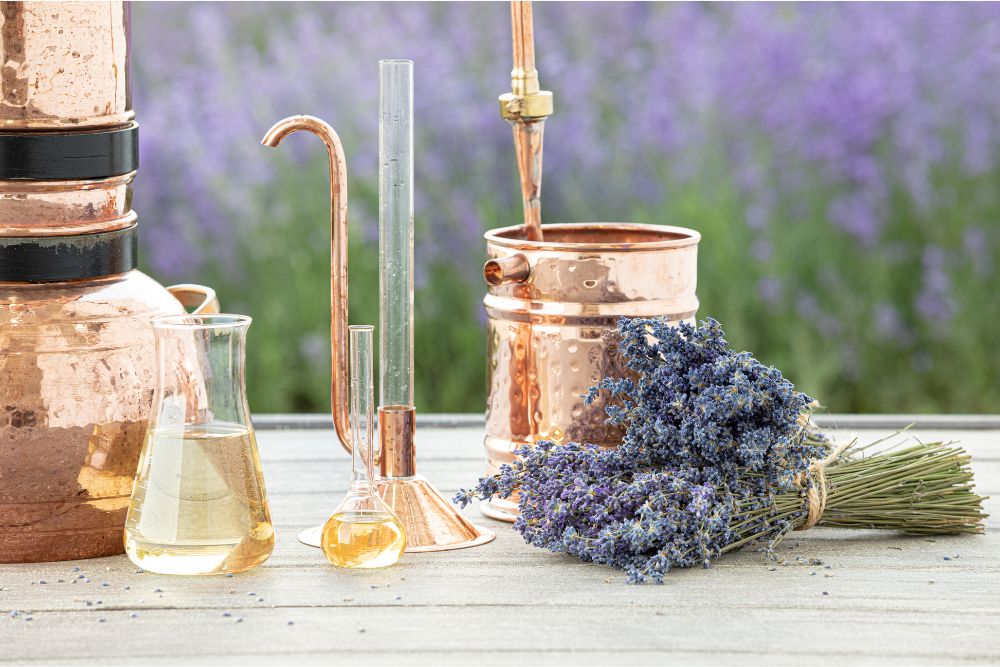
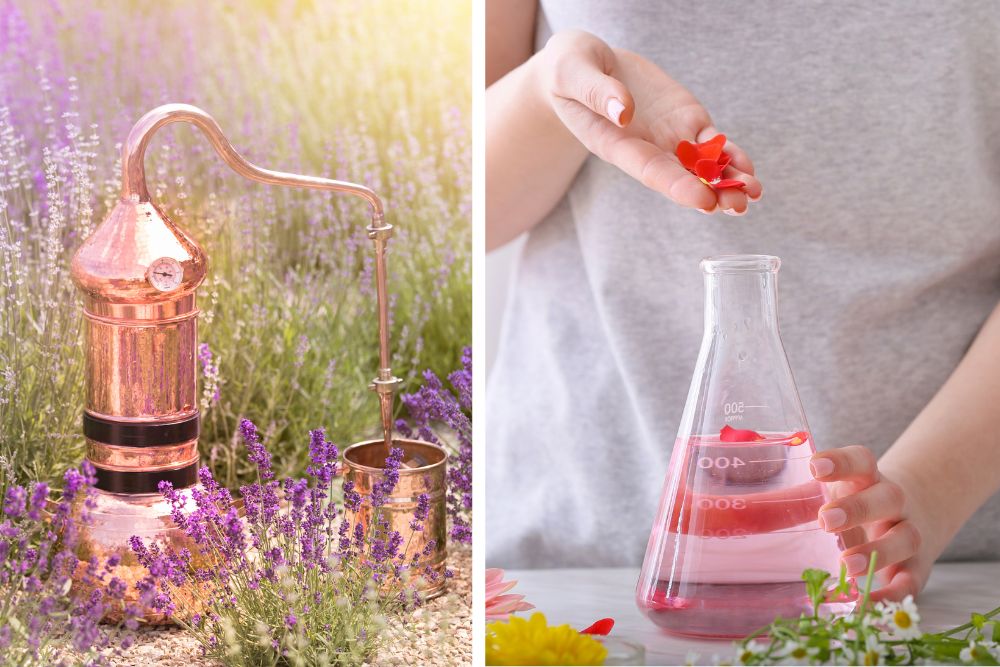
- Steam distillation – steam separates volatile aromatic compounds from plant material.
- Cold pressing – typical for citrus fruits, where oil is obtained through mechanical pressure.
- Maceration – plants are left to infuse in a carrier oil, which absorbs their aroma.
- Enfleurage – a traditional method, used especially for delicate flowers like jasmine or rose.
Advantages of Traditional Production
- 🌿 Natural processes without the use of chemical solvents
- 🌸 Authentic plant fragrance
- 📜 Historical value and handcrafted character
Disadvantages of Traditional Methods
- Higher consumption of plant material
- Longer production time
- Variable quality of results
Modern Methods of Essential Oil Production
Modern technology brings higher efficiency, more stable results and more precise control over production. In many cases, they can also be gentler on plant materials and the environment.
The most common modern methods include:
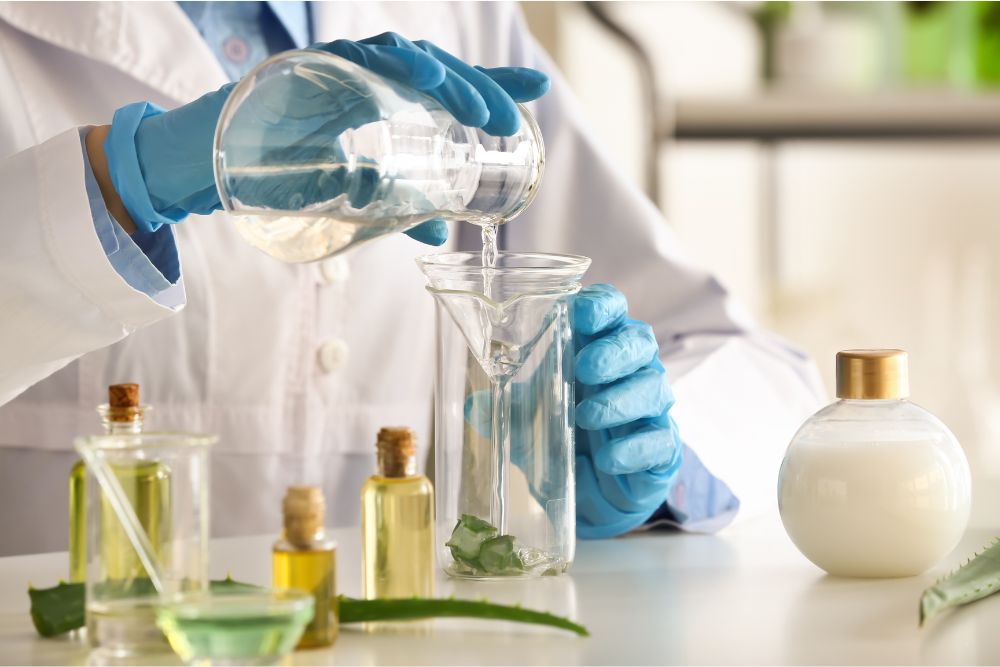
- Supercritical CO₂ extraction – efficient, ecological and very gentle on aromatic compounds.
- Solvent extraction – uses ethanol for example, suitable for heat-sensitive flowers.
- Vacuum distillation – takes place at lower temperatures, which helps preserve the aroma.
Advantages of Modern Production
- ⚙️ High yield and speed
- 🔍 Stable quality thanks to precise control
- 🌱 Ecological processes (e.g. CO₂ extraction)
The verified quality of many today's oils is based precisely on modern technologies that enable detailed composition control.
Disadvantages of Modern Methods
- Higher investment in equipment
- Need for professional knowledge
- Risk of losing delicate aromatic compounds with some methods
💡 Practical tip: If you want to try making your own aromatic essence at home, the most accessible methods are citrus pressing or simple steam distillation.
How to Choose the Right Production Method?
Each method has its place. When choosing, it mainly depends on what is important to you:
- Type of plant – some tolerate heat better, others require gentle handling.
- Purpose of use – there's a difference whether you want oil for aromatherapy, cosmetics, or household use.
- Budget – traditional methods are accessible even at home, modern technology is more for professionals.
- Environmental priorities – CO₂ extraction is considered more environmentally friendly.
- Available equipment – sometimes just a pot and sieve are enough, other times laboratory apparatus is needed.
💡 Tip: Find inspiration for home use in the article on creative ways to use essential oils in your household.
Traditional vs. Modern Methods: Summary
| Method | Advantages | Disadvantages | Suitable for |
|---|---|---|---|
| 🌿 Traditional | Natural process Authentic fragrance Accessible at home |
Longer production Higher plant consumption Variable quality |
Home production Traditional methods Smaller volumes |
| ⚙️ Modern | Fast extraction Stable quality Eco-friendly processing |
Higher costs Need for professional equipment Technological complexity |
Professional production Specific oils Large volumes |
Try It Yourself: Natural Fragrances Within Reach
Whether you're more drawn to traditional handmade production or modern extraction techniques, quality essential oils will find their place in every household. You can use them to scent your interior with aroma lamps or diffusers, or complement your relaxation rituals.
🌿 Explore essential oils from our range, which we select with regard to quality and sustainable sourcing – choose the right one for you.
If you're looking for tips on how to use oils in your household, you'll find inspiration in the articles on naturally clean homes and making your own effective cleaning products.