
 Our products
 Aromatherapy - essential oils
 Essential oils
 Aroma lamps
 Aroma Diffusers
 Seeds
 Vegetables
 Herbs and spices
 Ornamental Plant Seeds
 Grass mixtures
 Sprouts and microgreens
 Growing supplies
 Cultivation and Gardening Supplies
 Hydroponics and indoor growing
 Protective equipment and gardening tools
 Exotic plants
 Exotic Fruit and Vegetables
 Exotic herbs
 Exotic trees and shrubs
 Ornamental exotic plants
 Roasted coffee
 Espresso coffee
 Ecological coffee preparation
 Thermal mugs and coffee cups
 Aeropress
 Thermos flasks and thermal mugs for coffee and tea
 Moka pot
 Filter coffee
 Coffee blends
 Accessories for coffee makers
 Water filtration
 Coffee grinders
 Cleaning the Coffee Maker
 Ecological Cleaning of Coffee Machines
 Coffee makers
 Coffee Preparation
 Coffee Accessories
 Food products
 For wildlife and pets
 Chocolate and others
 Hemp food products
 Natural cosmetics
 Hemp cosmetics
 Smoking supplies
 Bongs - water pipes
 Blunts and tubes
 E-liquids with Terpenes and CBD
 Grinders and Mills
 Papers and filters
 Smoking accessories
 Vaporizers
 Air fresheners
 CBD and CBG products
 CBD sprays
 CBD and CBN crystals
 CBD body and facial care
 Weeds
 CBD suppositories and capsules
 CBD oils and drops
 CBG oils and drops
 House and garden
 Fashion and Decoration
 Kitchen essentials and cooking
 Christmas Decorations and Accessories
 Gift Sets
 Bird feeders
 Seasonal and Special Tools
 Sale
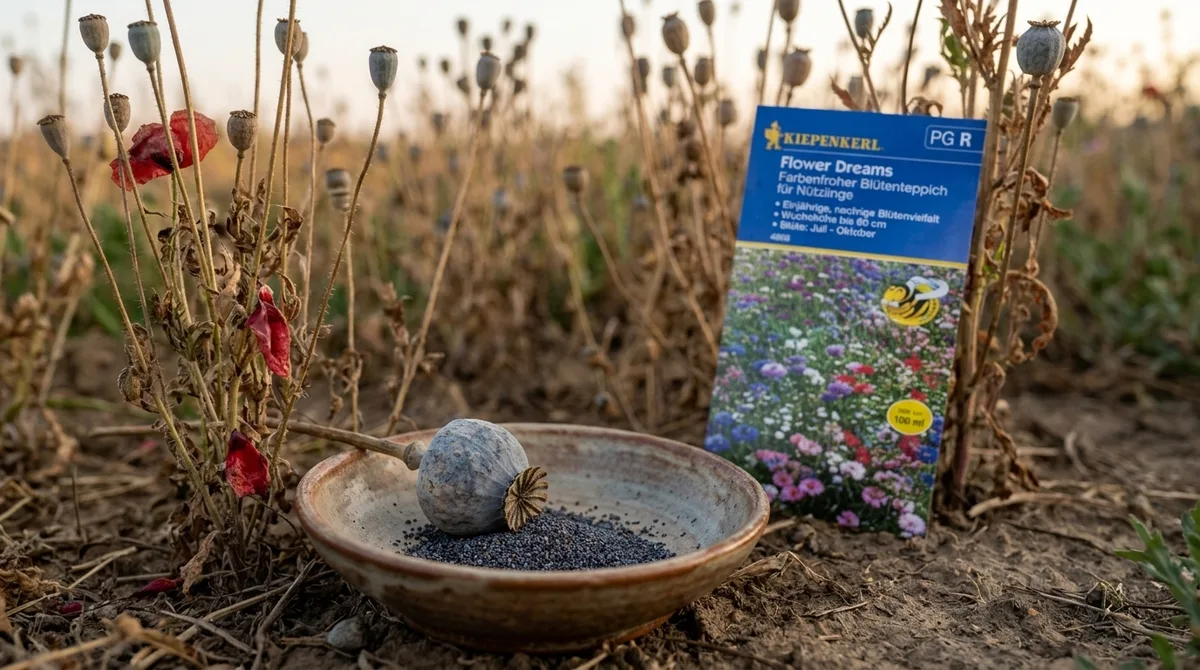
Grow Your Own Poppy - Better Taste and Aroma
Sow poppy seeds in early spring, no later than April, 1.5-2 cm deep and 30-40 cm apart. Learn which soil suits it and how to dry and shake out the heads.
Read more ›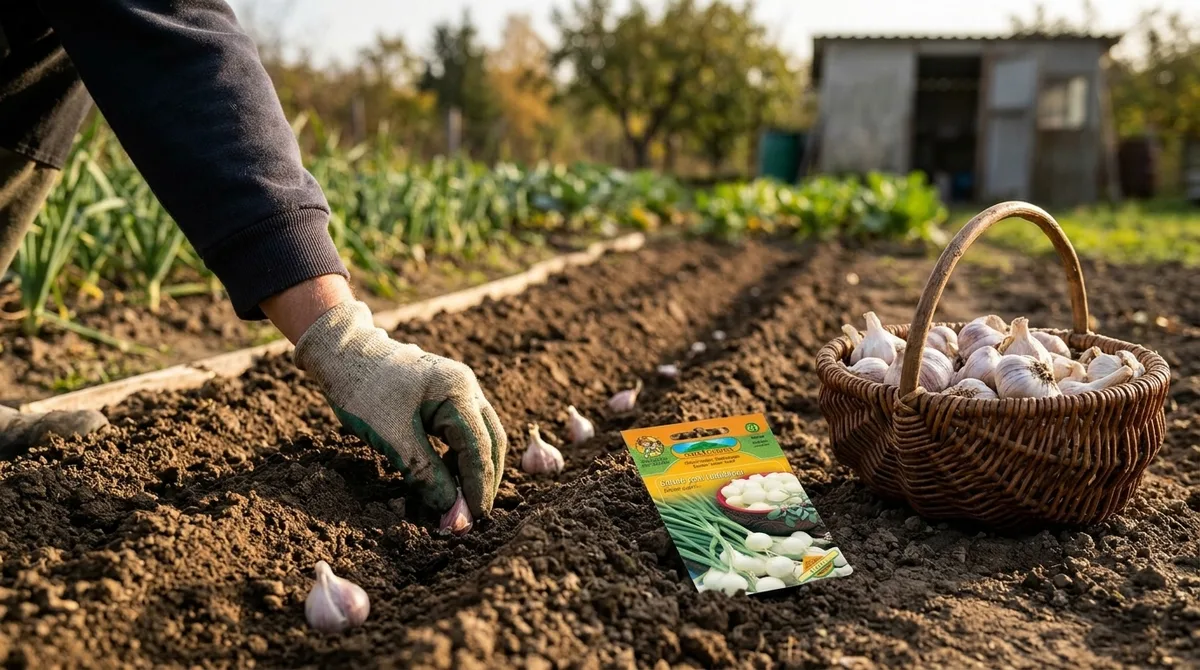
Growing and Cultivating Garlic
Growing your own garlic is one of the most rewarding experiences any gardener can have. Not only do you get fresh, aromatic bulbs full of flavor, but you a
Read more ›How to Make Homemade Sauerkraut?
Growing your own cabbage and preparing homemade sauerkraut from it is not complicated at all.
Read more ›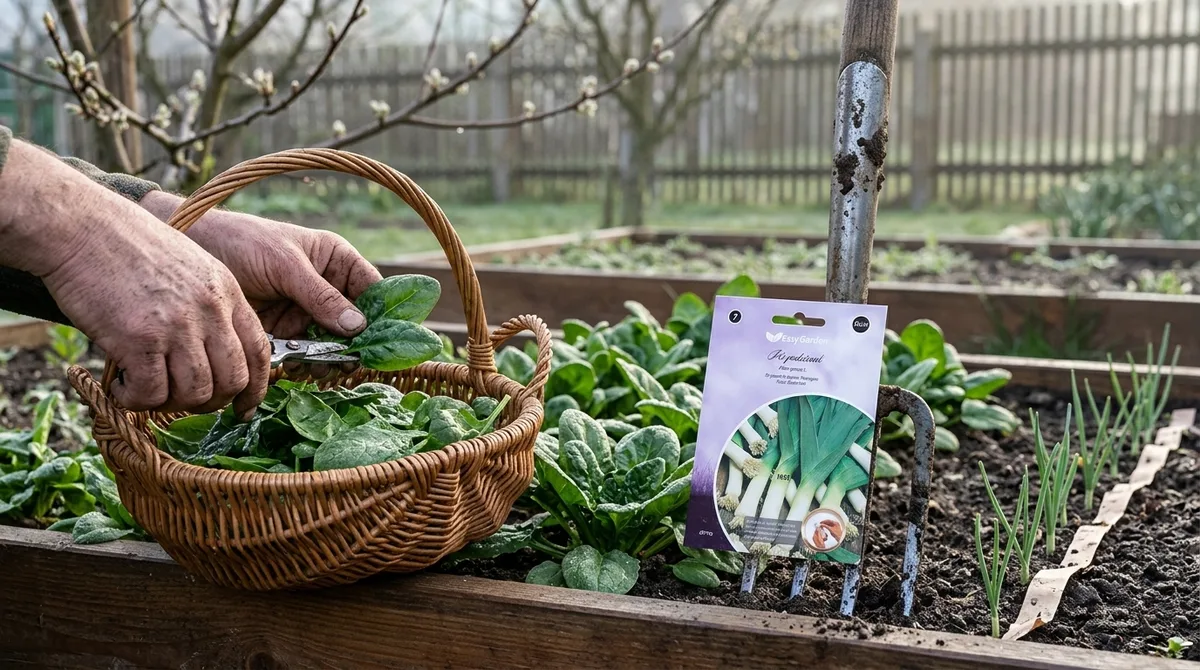
Healthy Spinach from Your Garden Bed
Fall in love with spinach just like Popeye the Sailor - it's healthy and delicious...
Read more ›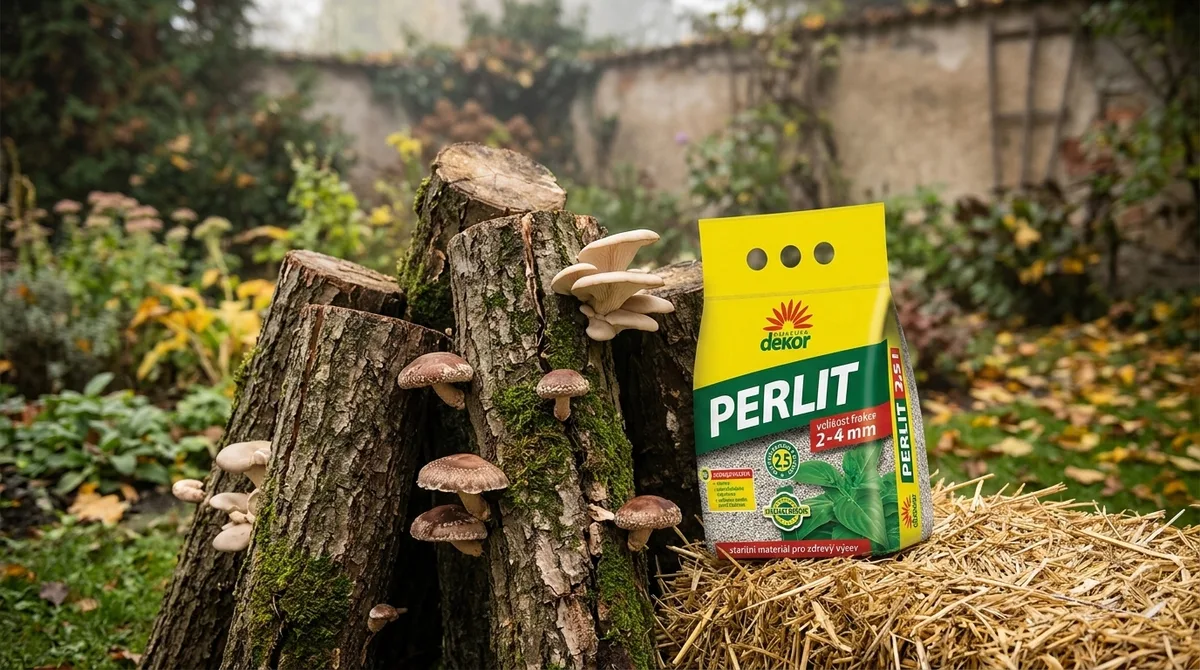
Don't Go to the Forest, Grow Mushrooms at Home
Grow oyster, shiitake or nameko mushrooms at home: sterilise straw with boiling water, inoculate at 20 – 25 °C and let it colonise for 3 – 4 weeks.
Read more ›Homegrown Boiled Corn
You no longer have to buy your favorite boiled corn only at fairs - you can grow it yourself.
Read more ›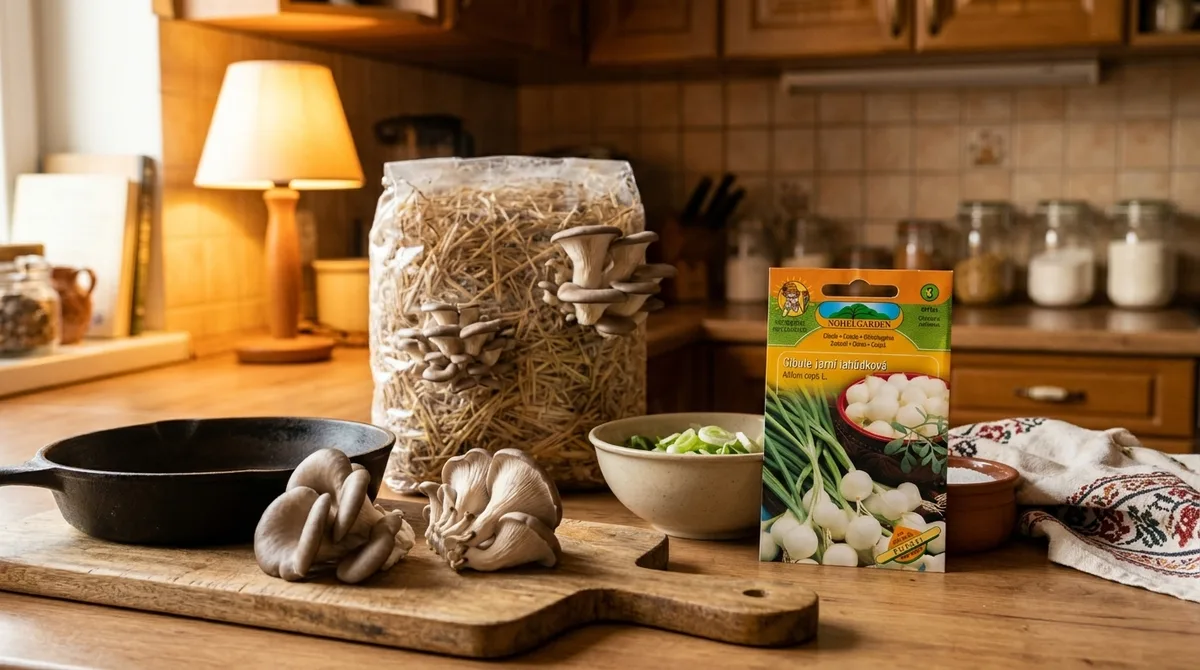
Oyster Mushroom Grows Almost Anywhere
Oyster mushrooms grow at 15-25 °C on straw in bags or on hardwood logs. See yields, spawn ratios, log sizes and how long each method keeps fruiting.
Read more ›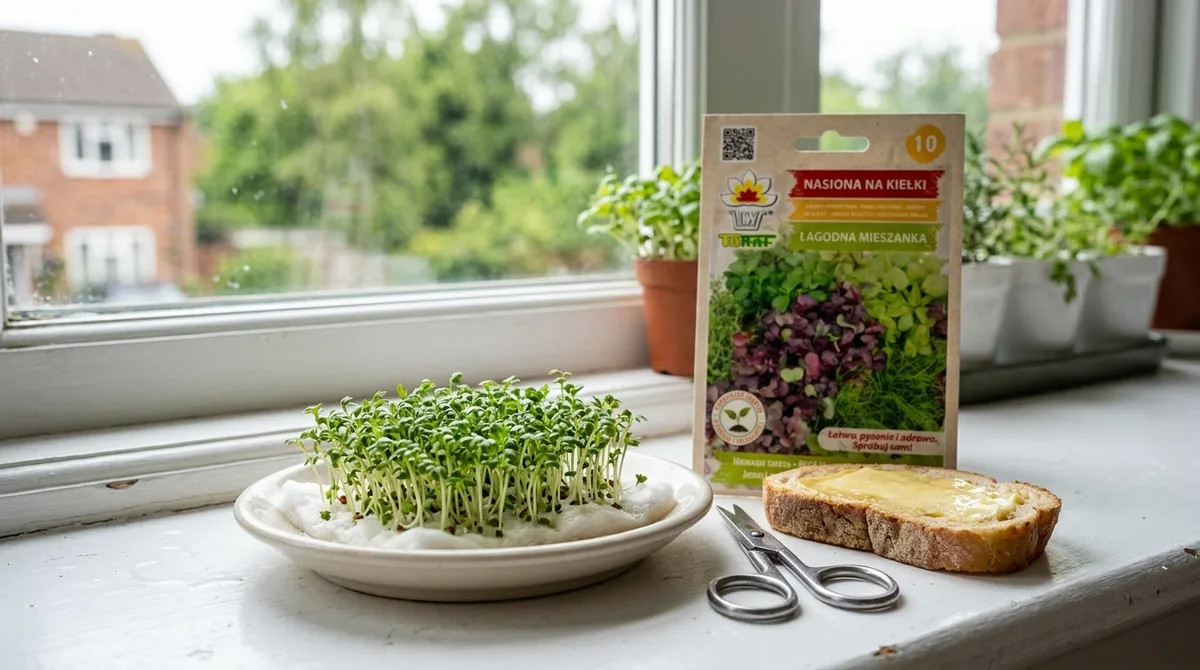
Tasty Cress in Just a Few Days
Cress is ready to harvest in 5 to 7 days at 18 to 22 °C, on damp cotton wool or paper towels. See the step-by-step method, mold prevention and kitchen uses.
Read more ›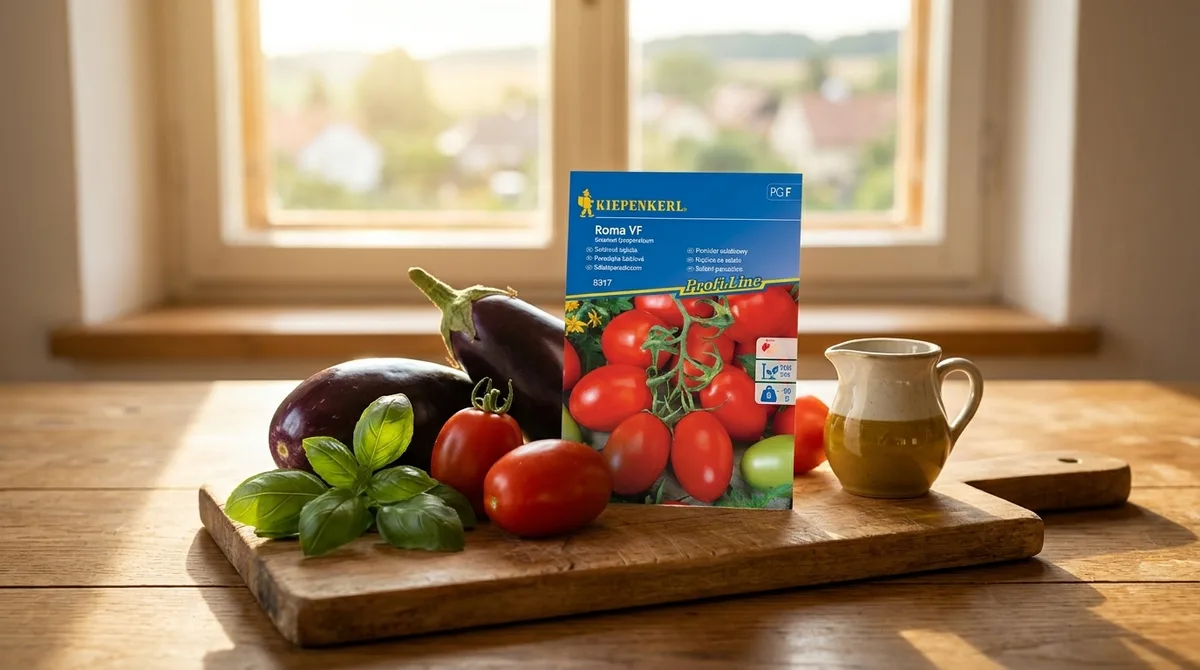
Nightshade Isn't Just a Healthy Vegetable
The eggplant, also known as aubergine, is referred to in the Mediterranean as the king of vegetables.
Read more ›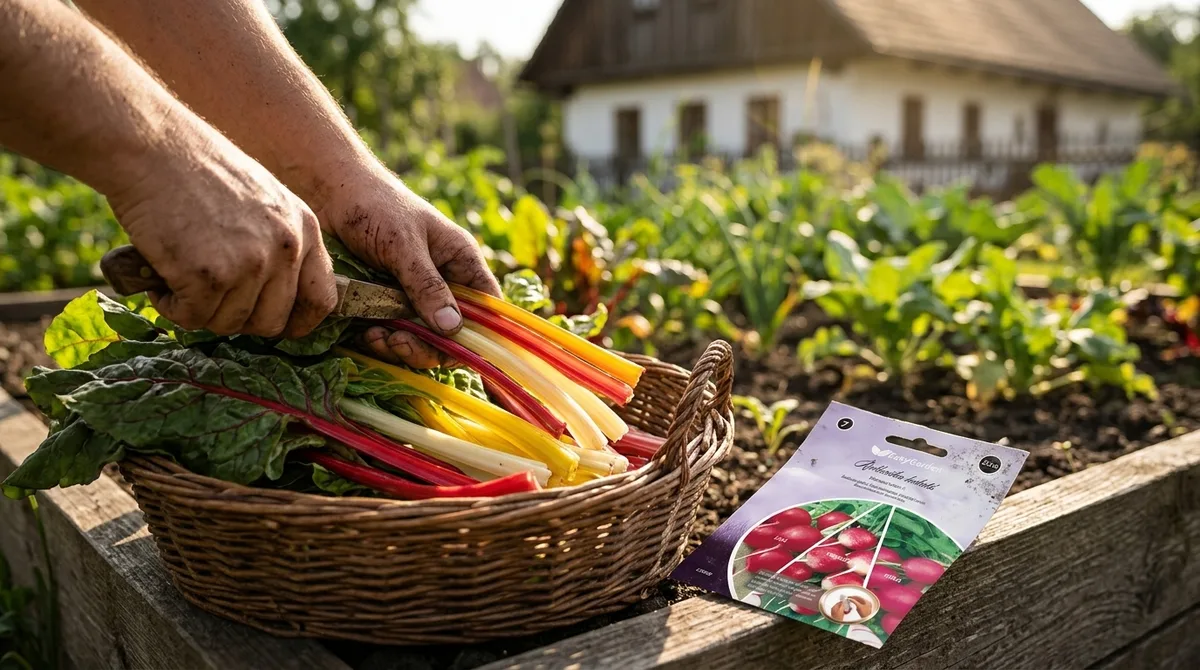
Growing Chard in the Garden
Chard is not only very healthy, but also creates a highly decorative impression in the garden...
Read more ›Field Salad - A Vegetable on the Rise
Lamb's lettuce grows in fields and along paths, but the home-grown variety tastes the best...
Read more ›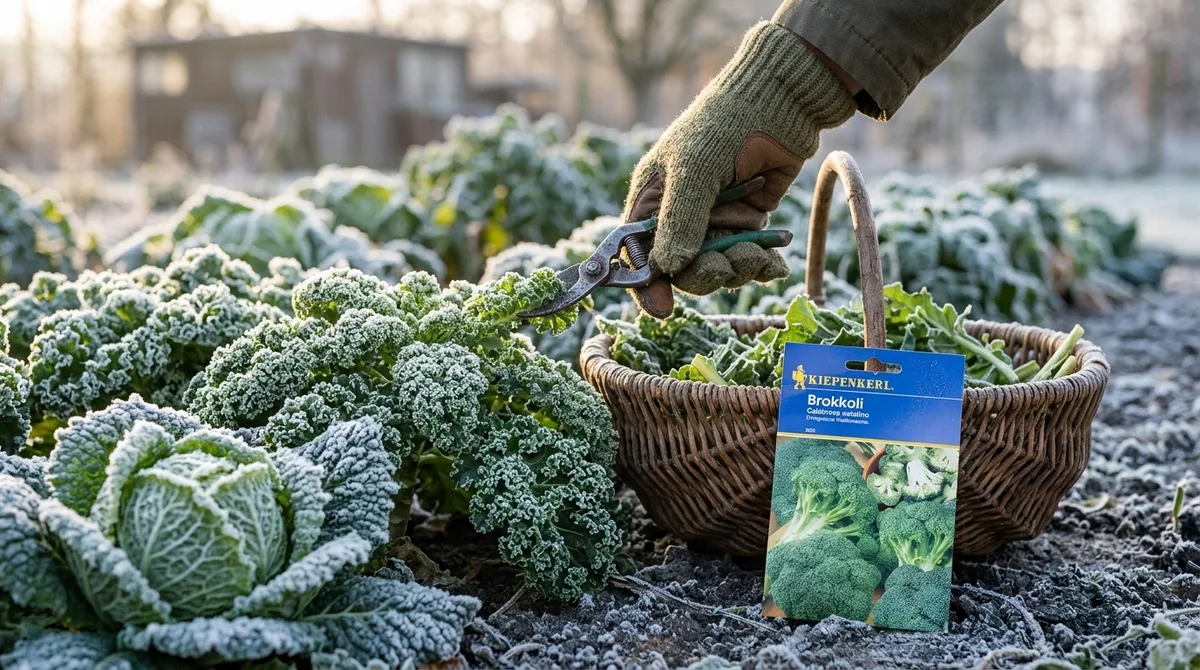
Cabbage - Surprisingly Resilient Vegetable
One of the few types of vegetables you can harvest from your garden even in winter is cabbage. After exposure to frost, it even develops a milder flavour.
Read more ›Edible Hibiscus or Okra
Edible hibiscus (okra) is a heat-loving annual. Sow in February to March above 20 °C, plant out at the end of May 60 cm apart and harvest young pods.
Read more ›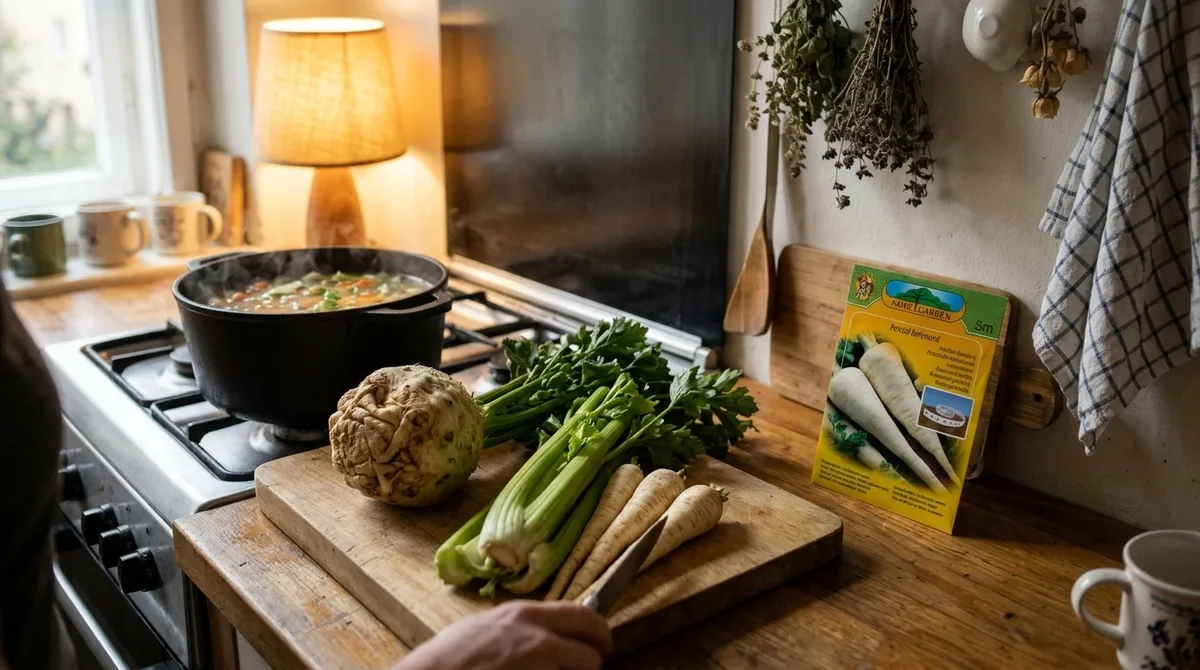
Healthy Celery
Celery is a very controversial plant due to its distinctive taste - some people swear by it while others avoid consuming it like the plague. The tradition
Read more ›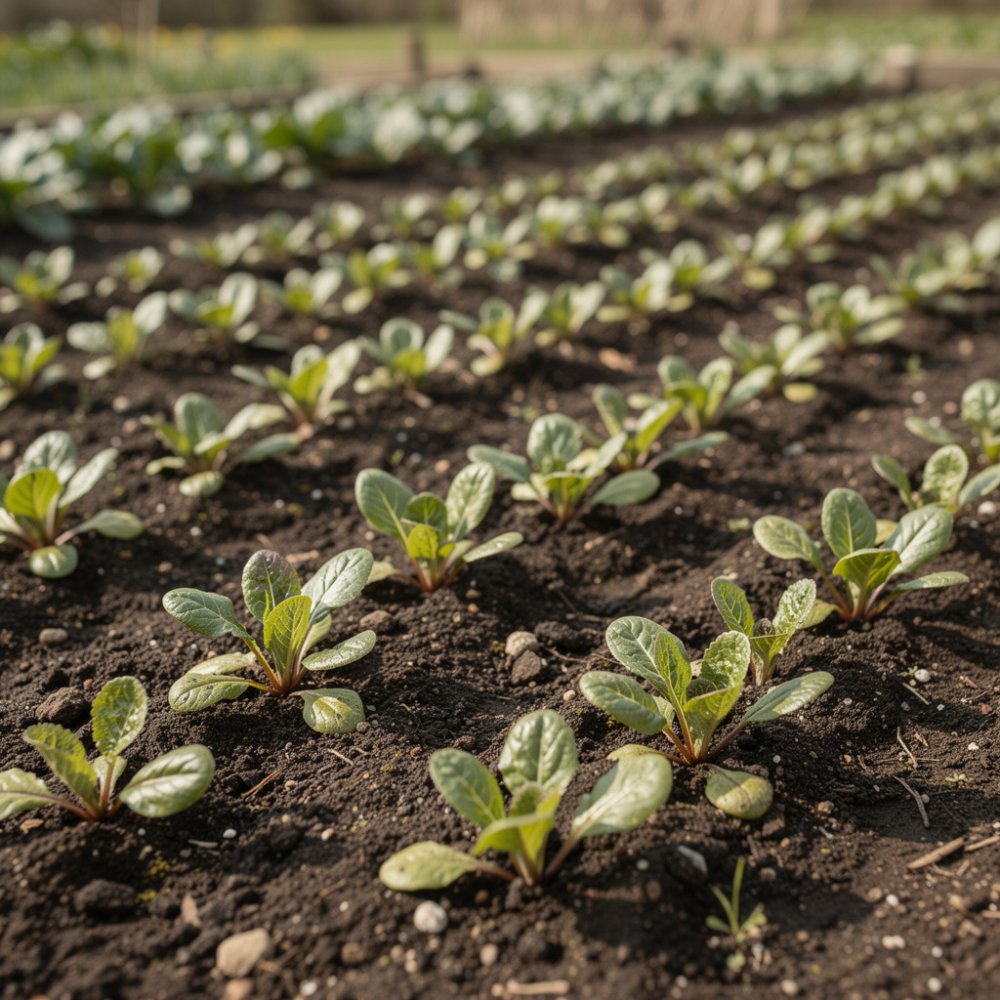
Growing Leaf Chicory
Perhaps someone has told you about an excellent chicory salad or baked chicory buds, and you couldn't figure out how a blue-flowering plant (chicory) could
Read more ›Peas are easy to grow
Sow peas in March to April, 5–6 cm deep in soil with a pH of 6.5, and harvest after 65–100 days. See shelling, marrowfat and sugar pea varieties and pests.
Read more ›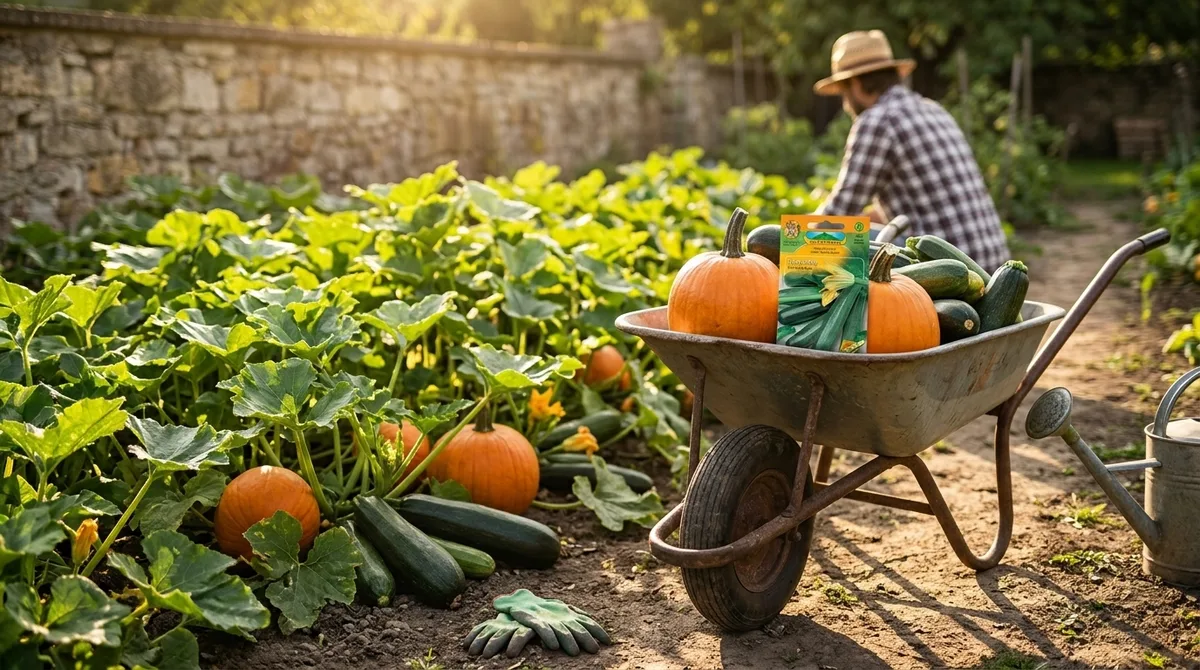
Pumpkins in the Garden
Pumpkins - Cucurbita pepo - are vibrantly colored fruits excellent in the kitchen and decorative not only in the garden.
Read more ›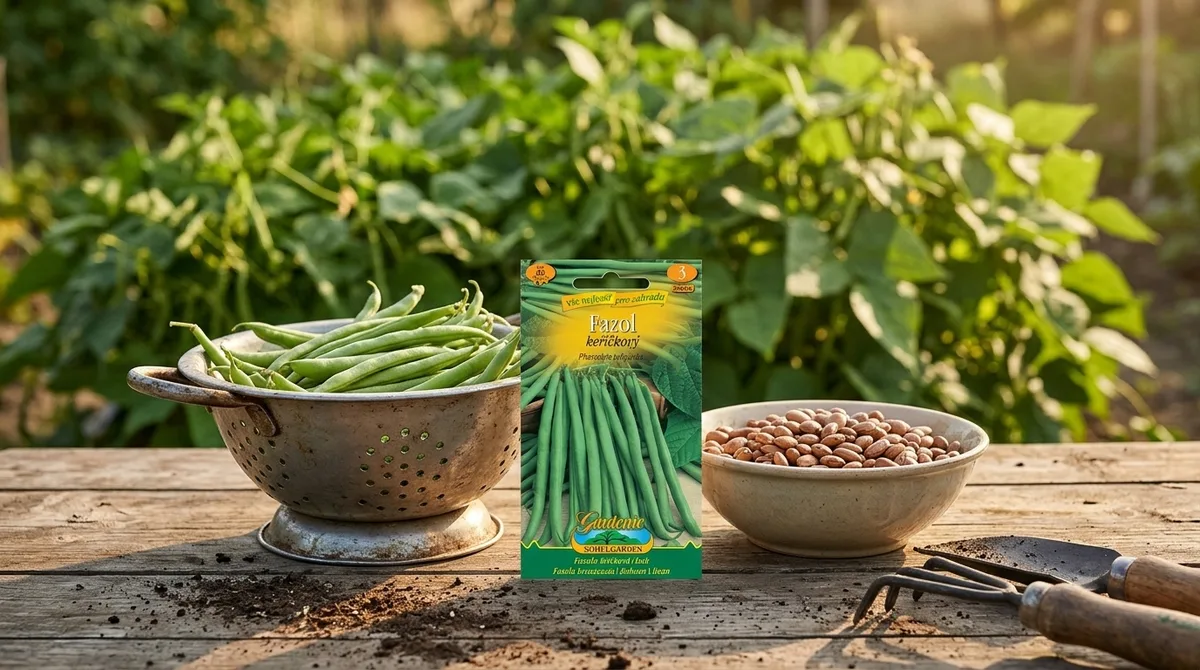
Growing Beans in the Garden
Beans are a legume scorned by many and loved by just as many. If you've returned from a long stay in England and can't even look at beans in tomato sauce b
Read more ›Arugula - A Very Popular Leafy Green Vegetable
Arugula is a peppery brassica leaf. Sow it outdoors from April to September, 1 cm deep in rows 15 cm apart, and use it in salads, pasta or risotto.
Read more ›The Importance of Vegetables in Human Life
Vegetables provide vitamins, minerals and fibre with minimal energy. Learn how much to eat per year, at what temperatures to grow them and how to store them.
Read more ›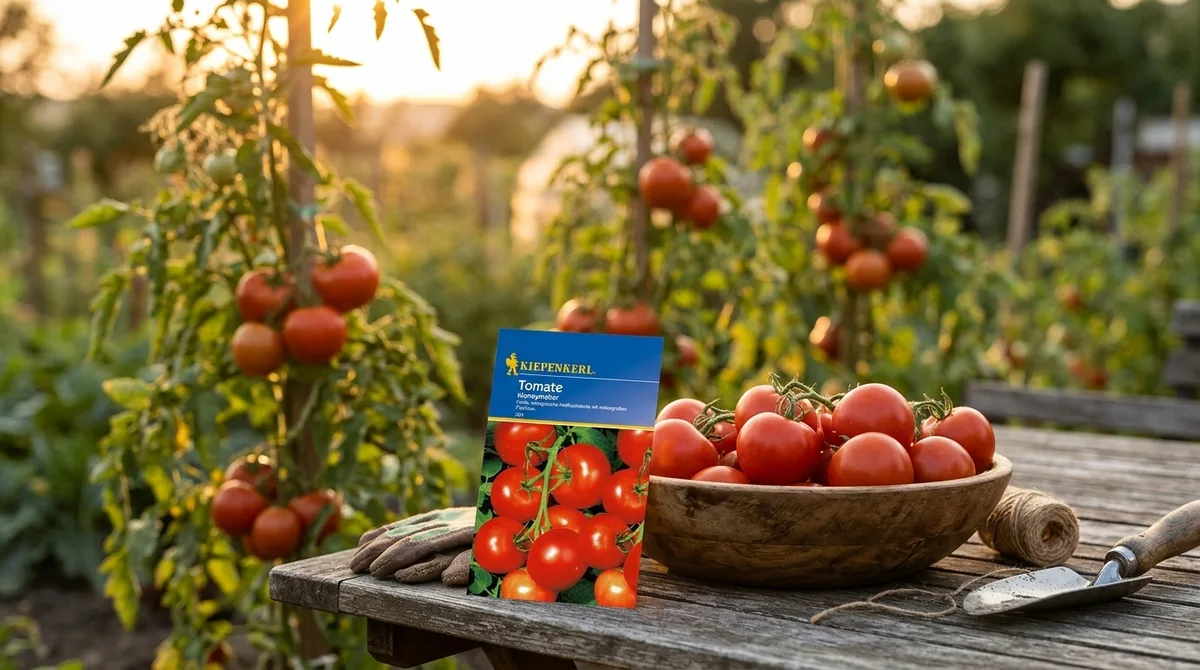
How to Grow Tomatoes
Growing Tomatoes and Tips on How to Grow Them. Complete Guide to Growing Perfect, Delicious Tomatoes! Tomatoes are one of the most popular vegetables grown
Read more ›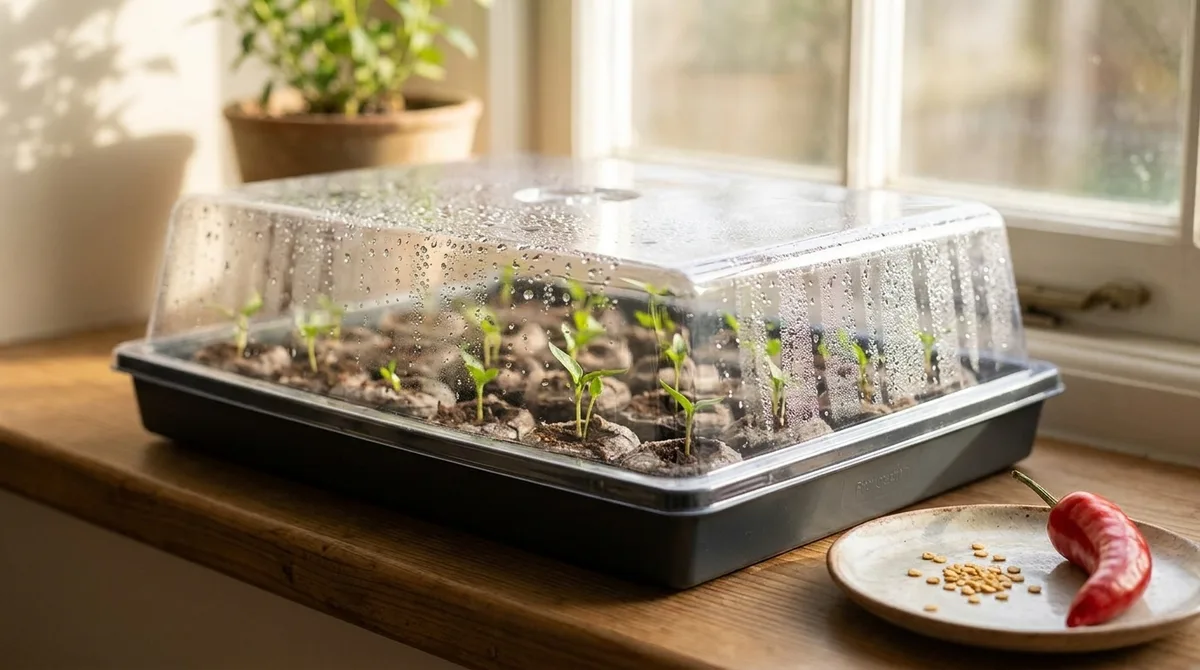
Growing Chilli Peppers from Seed
Growing chilli peppers is a fascinating hobby that combines the art of gardening with the reward of harvesting your own spicy fruits. Whether you're a comp
Read more ›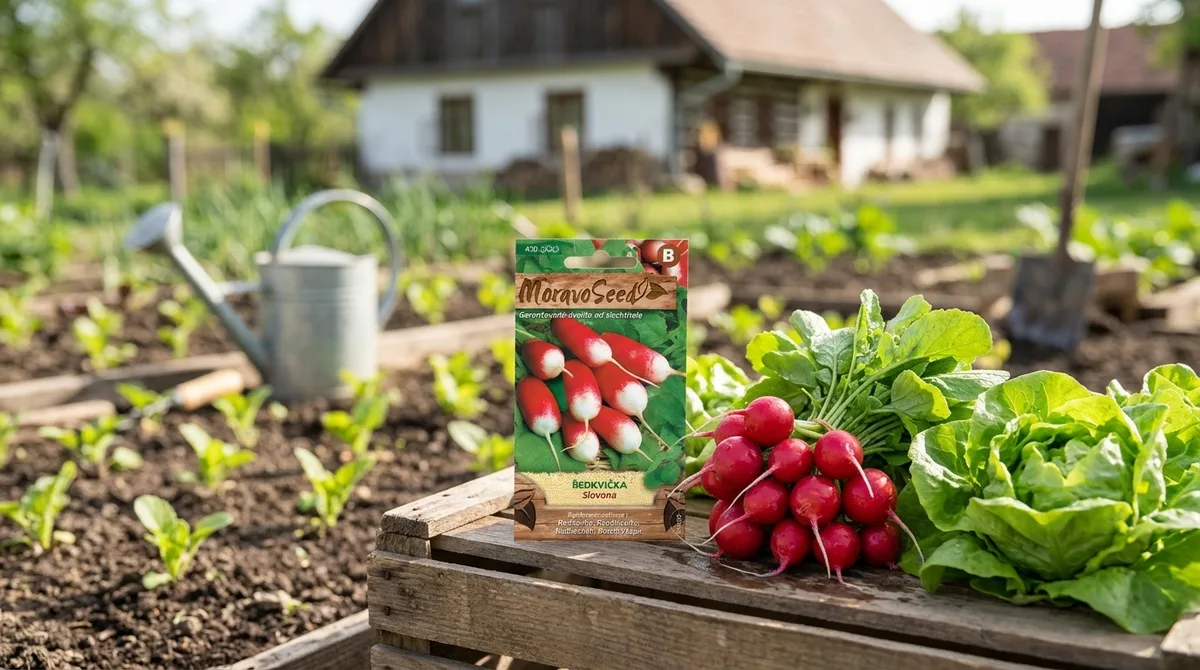
Green Source of Life
This makes it all the more important to know all the possibilities available and the rules that modern people and modern cuisine should follow.
Read more ›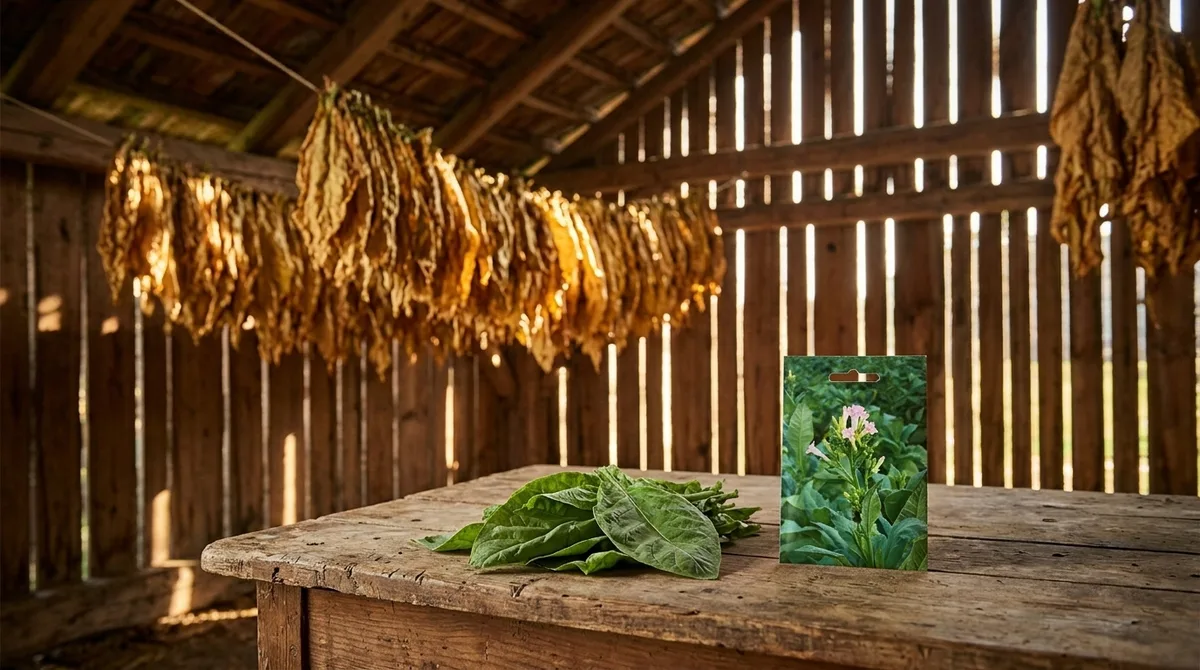
Harvest and Processing of Homegrown Tobacco
Learn when to harvest homegrown tobacco and how to air-cure, ferment and store the leaves, with the temperatures, humidity levels and times for each step.
Read more ›