 Essential oils
 Aroma lamps
 Aroma Diffusers
 Vegetables
 Herbs and spices
 Ornamental Plant Seeds
 Grass mixtures
 Sprouts and microgreens
 Exotic Fruit and Vegetables
 Exotic herbs
 Exotic trees and shrubs
 Ornamental exotic plants
 Espresso coffee
 Ecological coffee preparation
 Thermal mugs and coffee cups
 Aeropress
 Thermos flasks and thermal mugs for coffee and tea
 Moka pot
 Filter coffee
 Coffee blends
 Water filtration
 Coffee grinders
 Cleaning the Coffee Maker
 Ecological Cleaning of Coffee Machines
 Coffee makers
 Coffee Preparation
 Coffee Accessories
 For wildlife and pets
 Chocolate and others
 Hemp food products
 Hemp cosmetics
 Bongs - water pipes
 Blunts and tubes
 E-liquids with Terpenes and CBD
 Grinders and Mills
 Papers and filters
 Smoking accessories
 Vaporizers
 Air fresheners
 CBD sprays
 CBD and CBN crystals
 CBD body and facial care
 Weeds
 CBD suppositories and capsules
 CBD oils and drops
 CBG oils and drops
 Fashion and Decoration
 Kitchen essentials and cooking
 Christmas Decorations and Accessories
 Gift Sets
 Bird feeders
 Seasonal and Special Tools
- On sale!
- -15%
- Organic oil
- Large pack 10 ml

-
 Our products
-
 Aromatherapy - essential oils
-
 Seeds
-
 Growing supplies
-
 Cultivation and Gardening Supplies
-
 Hydroponics and indoor growing
- Hydroponic Fertilizers and Substrates
- Cloning and planting
-
Plant lighting
- Hydroponic Cultivation
- Extraction and pressing
- Water Adjustment
- Growing tents and boxes
-
Measuring instruments
- Temperature and humidity
-
Air technology
- Air Conditioning and Cooling
- Watering
-
 Protective equipment and gardening tools
-
-
 Exotic plants
-
 Roasted coffee
-
 Accessories for coffee makers
-
 Food products
-
 Natural cosmetics
-
 Smoking supplies
-
 CBD and CBG products
-
 House and garden
Filter By
Oil types
Oil types
Purpose
Purpose
Fragrance intensity
Fragrance intensity
Plant part
Plant part
Price
Price
-
Kč109.00 - Kč228.00
Citrus essential oils
Fresh BIO citrus oils from Pěstík, from lemon to bergamot, plus herbs with a lemony scent. We explain the difference between cold pressing and distillation and how to store them.
There are 14 products.
Showing 1-14 of 14 item(s)
Active filters
- Sale -7 %
- Organic oil
- Large pack 10 ml
- Organic oil
- Large pack 10 ml
- Sale -40 %
- Organic oil
- Large pack 10 ml
- Sale -15 %
- Organic oil
- Large pack 10 ml
- Sale -42 %
- Organic oil
- Large pack 10 ml
- Sale -40 %
- Organic oil
- Large pack 10 ml
- Sale -7 %
- Organic oil
- Large pack 10 ml
- Sale
- Organic oil
- Large pack 10 ml
- Sale
- Organic oil
- Large pack 10 ml
- Sale -30 %
- Organic oil
- Large pack 10 ml
- Sale -15 %
- Organic oil
- Large pack 10 ml
- Sale
- Organic oil
- Large pack 10 ml
- Sale -30 %
- Organic oil
- Large pack 10 ml
Citrus oils in stock
Citrus essential oils have a light, bright and juicy scent. They are among the most popular oils for diffusers and homemade cosmetics, and they blend well with almost every other scent family. We sell all of them in the Pěstík BIO oil range in 10 ml bottles, bottled in the Czech Republic. For each oil we state the scent intensity and the part of the plant used. Our range includes these citrus scents:
Oils from citrus fruit
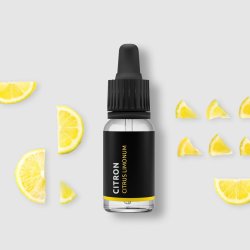
- BIO Lemon – sharply fresh, distinctive and clean lemon scent.
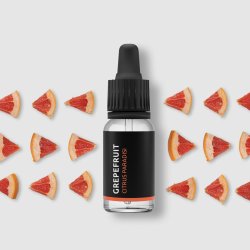
- BIO Grapefruit – distinctive, slightly bitter and juicy.
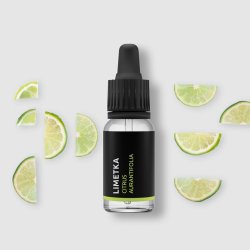
- BIO Lime – distinctive, greener and spicier than lemon.
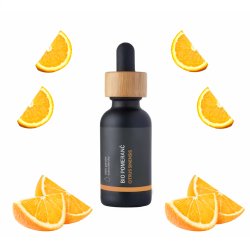
- BIO Orange – sweet, medium intensity, a very approachable scent.
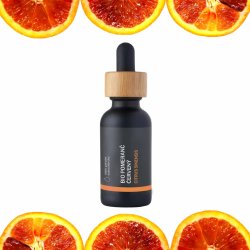
- BIO Red Orange – a sweet orange note of medium intensity.
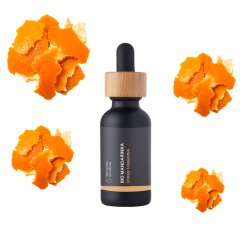
- BIO Mandarin – sweet and gently fruity, medium intensity.
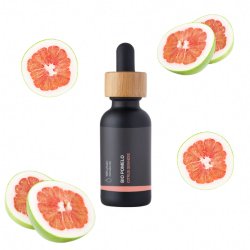
- BIO Pomelo – a fresh and softer relative of grapefruit.
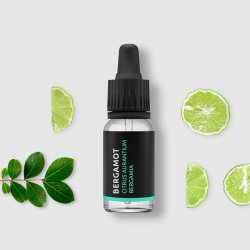
- BIO Bergamot – a citrus scent with a delicate floral touch.
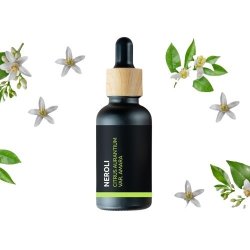
- BIO Neroli – an oil from blossoms that combines citrus and floral character.
Herbs with a citrus scent
Citrus fruit is not the only source of a lemony scent. You will find the same fresh note in oils from leaves and grasses, which are a great fit for citrus blends:
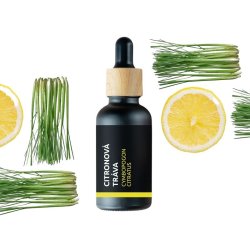
- BIO Lemongrass – very intense, grassy and lemony.
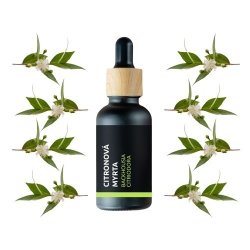
- BIO Lemon Myrtle – very intense, lemony with a herbal and woody note.
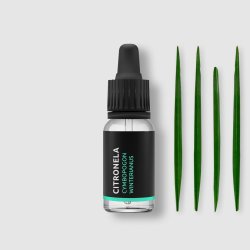
- BIO Citronella – very intense, lemony and herbal.
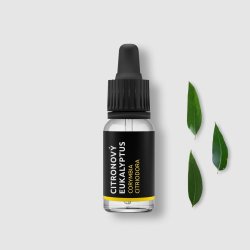
- BIO Lemon Eucalyptus – very intense, lemony with a hint of forest.
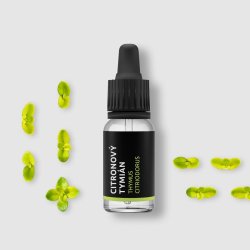
- BIO Lemon Thyme – distinctive, herbal with a lemony note.
How to use citrus oils
In an aroma diffuser or aroma lamp, citrus oils are an ideal choice for scenting your home every day. They spread quickly but also fade quickly, so in a blend add an oil that holds the scent, for example a woody one. In homemade cosmetics they give body oils, creams and soaps a fresh note; with soaps, keep in mind that a citrus scent fades faster in the finished soap than a floral or woody one. A few drops in a spray bottle with distilled water can be used to scent textiles, always testing on a less visible spot first.
Cold pressing vs. distillation
The oil of citrus fruit is stored in tiny sacs in the peel. It is generally obtained by cold pressing: the peel is processed mechanically without heat and the oil is separated. The scent then stays very close to freshly peeled fruit. Some citrus oils are also produced by distillation; their scent tends to be slightly drier and less juicy. Oils from leaves and grasses, such as lemongrass or lemon myrtle, are obtained by steam distillation. We state the part of the plant used for every product.
You can also tell the difference by smell: pressed citrus oils smell like fresh peel, fuller and "juicier", while distilled ones tend to be lighter and cleaner. Both types are suitable for a diffuser; for cosmetics applied to the skin it is good to know which one you have, because of the phototoxicity described below.
Phototoxicity: what to watch out for
Some cold-pressed citrus oils contain substances that, combined with sunlight, can cause skin irritation. This is most often mentioned for bergamot, lime, lemon and grapefruit. If you use such an oil in a product for the skin, do not expose the treated area to the sun or a tanning bed, and follow the notice on the product page. Phototoxicity does not apply when the oil is used in a diffuser or aroma lamp.
Storage and oxidation
Citrus oils are among the least stable oils. Exposed to air, heat and light, they oxidise faster than woody or resinous oils, the scent loses its freshness, and oxidised oil is not suitable for the skin. Therefore:
- always close the bottle tightly right after use,
- store it in a cool, dark place, ideally in the original dark bottle,
- use up an opened oil sooner than oils from other families,
- if the scent turns stale or bitter, do not use the oil for cosmetics any more.
Scent pairings
In blends, citrus oils act as the "top note", the one you smell first and that fades quickly. They pair well with:
- floral oils – for example orange with lavender or bergamot with ylang ylang,
- herbal oils – lemon with rosemary or grapefruit with peppermint,
- woody and coniferous oils – mandarin with Himalayan cedarwood or lime with pine,
- spicy oils – orange with cinnamon or grapefruit with ginger.
Safe use
On the skin, use citrus oils only diluted in a carrier oil and at a low concentration, never internally. Cats tolerate citrus oils poorly, so only run a diffuser in a room the animal can leave. For children and pregnant or breastfeeding women, consult a specialist. You will find more scents in the categories essential oils for diffusers and Essential oils.
Frequently asked questions
How are citrus essential oils obtained?
Oils from the peel of citrus fruit are generally cold pressed, and some are distilled. Oils from leaves and grasses with a lemony scent are obtained by steam distillation.
What does phototoxicity mean for citrus oils?
Some pressed citrus oils can cause irritation when applied to the skin and exposed to the sun. After using such a product on the skin, avoid the sun and tanning beds.
Why do citrus oils keep for a shorter time?
They oxidise faster when exposed to air, heat and light. Store them tightly closed in a cool, dark place and use them up sooner.
What can citrus oils be combined with?
They go with almost anything: floral, herbal, woody and spicy scents. In blends they form a fresh top note.
Is lemongrass a citrus?
Botanically no, it is a grass. However, the oil from its leaves has a distinctive lemony scent, which is why we include it among the citrus scents.