 Essential oils
 Aroma lamps
 Aroma Diffusers
 Vegetables
 Herbs and spices
 Ornamental Plant Seeds
 Grass mixtures
 Sprouts and microgreens
 Exotic Fruit and Vegetables
 Exotic herbs
 Exotic trees and shrubs
 Ornamental exotic plants
 Espresso coffee
 Ecological coffee preparation
 Thermal mugs and coffee cups
 Aeropress
 Thermos flasks and thermal mugs for coffee and tea
 Moka pot
 Filter coffee
 Coffee blends
 Water filtration
 Coffee grinders
 Cleaning the Coffee Maker
 Ecological Cleaning of Coffee Machines
 Coffee makers
 Coffee Preparation
 Coffee Accessories
 For wildlife and pets
 Chocolate and others
 Hemp food products
 Hemp cosmetics
 Bongs - water pipes
 Blunts and tubes
 E-liquids with Terpenes and CBD
 Grinders and Mills
 Papers and filters
 Smoking accessories
 Vaporizers
 Air fresheners
 CBD sprays
 CBD and CBN crystals
 CBD body and facial care
 Weeds
 CBD suppositories and capsules
 CBD oils and drops
 CBG oils and drops
 Fashion and Decoration
 Kitchen essentials and cooking
 Christmas Decorations and Accessories
 Gift Sets
 Bird feeders
 Seasonal and Special Tools

 Our products
 Aromatherapy - essential oils
 Seeds
 Growing supplies
 Cultivation and Gardening Supplies
 Hydroponics and indoor growing
 Protective equipment and gardening tools
 Exotic plants
 Roasted coffee
 Accessories for coffee makers
 Food products
 Natural cosmetics
 Smoking supplies
 CBD and CBG products
 House and garden

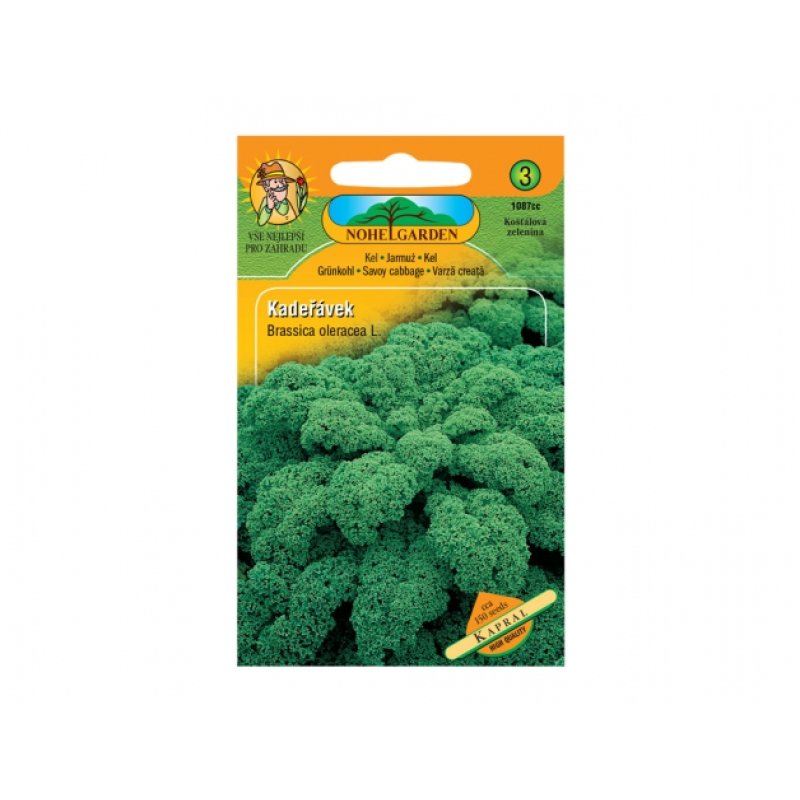
Low-growing, early variety. Intended for direct consumption and dish decoration, highly resistant to frost. Package contains 150 seeds.
 Wide range of quality products
Seeds, essential oils, growing supplies and exotic plants in one place
 Eco-friendly range
We prefer natural and gentle products
 Expert advice
We help you grow – guides, blog and personal support
 Delivery across the EU
PPL, DPD, GLS and local carriers – pickup point or home delivery
This plant is rich in vitamins A, C, E and minerals, especially iron, calcium, magnesium, potassium and phosphorus. Another plus is its high fibre content, which supports proper intestinal function. In the kitchen, it can be used like cabbage or spinach.
Kale is a biennial plant. It forms a stem about 1 m high, which bears a rosette of curly leaves. Each leaf is relatively large and weighs approximately 150 - 200 g. The leaves are green or crimson in colour.
Requires a sunny or partially shaded position. At the beginning of summer, plants require large amounts of water. The soil should never dry out. Regularly hoe around the plants and remove weeds. Also lime and fertilise regularly. If plants grow very tall and are not stable, stake each one and tie them up.
Sow seeds directly in the bed from the end of May to mid-June at a spacing of 50 to 60 x 50 cm.
Plants thrive in well-drained, moderately heavy to heavy loamy soils that have been thoroughly fertilised. In autumn, apply lime to the soil to maintain the correct acidic pH.
Approximately 2 weeks before planting, apply 60 g of universal NPK fertiliser or granulated manure per square metre. Subsequently fertilise and lime regularly.
The most common cabbage pests are flea beetles, cabbage white butterflies and cabbage moths. Among diseases, clubroot of brassicas causes the most damage.
For cabbage moths, it is advisable to use synthetic insecticides or preparations based on 'Bacillus thuringiensis' when caterpillars hatch from eggs.
Against clubroot of brassicas, liming of plots, use of nitrogenous lime, destruction of affected plants and soil disinfection are recommended.
Plants can be protected from white butterflies by planting them among tomatoes, for example.
Harvest leaves from summer to winter. Lower leaves are picked, the top continues to grow back.
Data sheet
Specific References
Your review appreciation cannot be sent
Report comment
Report sent
Your report cannot be sent
Write your review
Review sent
Your review cannot be sent
Low-growing, early variety. Intended for direct consumption and dish decoration, highly resistant to frost. Package contains 150 seeds.
check_circle
check_circle