 Essential oils
 Aroma lamps
 Aroma Diffusers
 Vegetables
 Herbs and spices
 Ornamental Plant Seeds
 Grass mixtures
 Sprouts and microgreens
 Exotic Fruit and Vegetables
 Exotic herbs
 Exotic trees and shrubs
 Ornamental exotic plants
 Espresso coffee
 Ecological coffee preparation
 Thermal mugs and coffee cups
 Aeropress
 Thermos flasks and thermal mugs for coffee and tea
 Moka pot
 Filter coffee
 Coffee blends
 Water filtration
 Coffee grinders
 Cleaning the Coffee Maker
 Ecological Cleaning of Coffee Machines
 Coffee makers
 Coffee Preparation
 Coffee Accessories
 For wildlife and pets
 Chocolate and others
 Hemp food products
 Hemp cosmetics
 Bongs - water pipes
 Blunts and tubes
 E-liquids with Terpenes and CBD
 Grinders and Mills
 Papers and filters
 Smoking accessories
 Vaporizers
 Air fresheners
 CBD sprays
 CBD and CBN crystals
 CBD body and facial care
 Weeds
 CBD suppositories and capsules
 CBD oils and drops
 CBG oils and drops
 Fashion and Decoration
 Kitchen essentials and cooking
 Christmas Decorations and Accessories
 Gift Sets
 Bird feeders
 Seasonal and Special Tools
- Sale -22 %

 Our products
 Aromatherapy - essential oils
 Seeds
 Growing supplies
 Cultivation and Gardening Supplies
 Hydroponics and indoor growing
 Protective equipment and gardening tools
 Exotic plants
 Roasted coffee
 Accessories for coffee makers
 Food products
 Natural cosmetics
 Smoking supplies
 CBD and CBG products
 House and garden


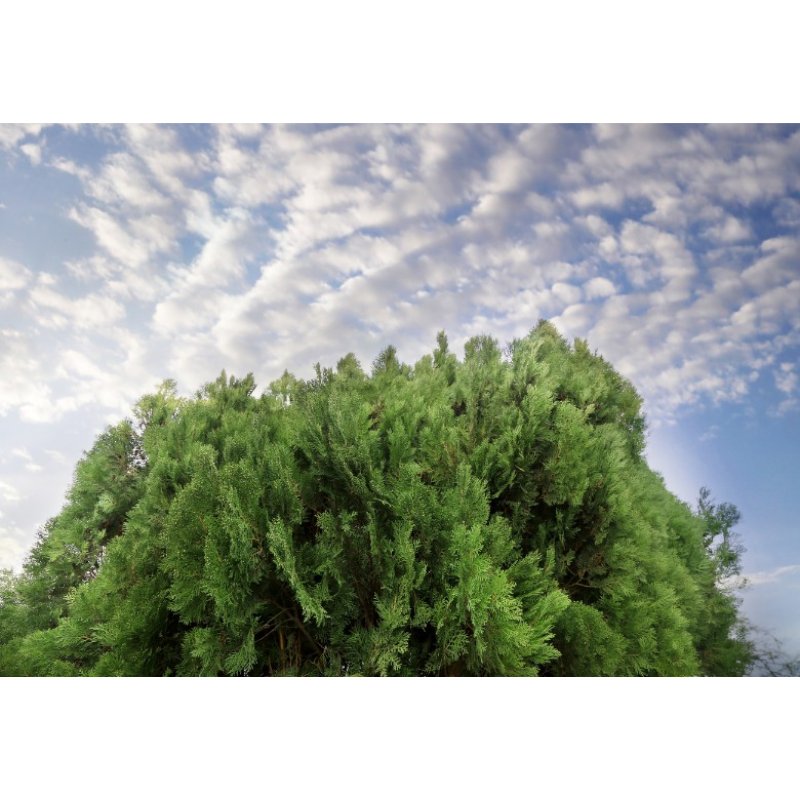
Oriental arborvitae is a very hardy tree that is undemanding to grow. Thanks to its beauty and ease of cultivation, oriental arborvitae is a valued and popular plant among gardeners and landscapers around the world.
 Wide range of quality products
Seeds, essential oils, growing supplies and exotic plants in one place
 Eco-friendly range
We prefer natural and gentle products
 Expert advice
We help you grow – guides, blog and personal support
 Delivery across the EU
PPL, DPD, GLS and local carriers – pickup point or home delivery
Oriental arborvitae is a coniferous tree from the cypress family (Cupressaceae). It originates from East Asia, specifically from China, Korea, and Japan. Arborvitae is a very resilient and undemanding tree to grow. It can tolerate polluted air, making it a suitable choice for urban environments. Arborvitae is often planted in parks, gardens, and public spaces. It can also be used to create a living hedge, as it can form a dense screen that provides privacy.
.png)
Oriental arborvitae is an attractive coniferous tree with a distinctive appearance. It grows to a height of 15 to 25 metres, but its cultivars are often smaller, making them more suitable for landscaping and garden architecture. The crown shape of arborvitae can be conical, pyramidal, or columnar. The branches are straight and strong, which contributes to the tree's upright appearance. The needles are small and flat, meaning they are pressed against the branches. They are evergreen, which means the tree maintains its green appearance throughout the year. Arborvitae produces small round cones that are found at the ends of branches. The cones are relatively small, about 1.5 to 2.5 cm long, and contain seeds. Overall, arborvitae is an elegant and tasteful tree with a dense crown and rich green foliage. Thanks to its attractive appearance and ability to tolerate various soil conditions, it is a popular element of garden and landscape architecture in many parts of the world.
 (3).png)
1. Seed Stratification (optional): some arborvitae seeds are in a dormant stage and may need stratification, which is a process that promotes germination through cold treatment. Seed stratification is performed by placing the seeds in a moist environment, such as moist sand, and storing them in the refrigerator for 4 to 6 weeks.
2. Substrate Preparation: prepare light and well-draining soil or a seed germination mix. You can use a mixture of peat and perlite or another fine substrate.
3. Sowing Time: the suitable time for sowing is spring or early summer. Fill a container with the prepared substrate and gently press it down to create an even surface.
4. Sowing Seeds: place the seeds on the surface of the substrate. If you have stratified seeds, position them so they are 1 cm below the surface. Then gently cover them with soil.
5. Maintaining Moisture: ensure the soil is moist but not waterlogged. Use a spray bottle or another gentle watering method to avoid damaging the germinating seeds.
6. Germination and Care: arborvitae seeds will germinate within a few weeks. Once the young seedlings have grown, begin gradually acclimating the plants to outdoor conditions. You can transplant them into individual pots or to a chosen location in the garden. Provide the seedlings with sufficient moisture and gradually expose them to more sunlight to acclimate them to outdoor conditions.
Data sheet
Your review appreciation cannot be sent
Report comment
Report sent
Your report cannot be sent
Write your review
Review sent
Your review cannot be sent
Oriental arborvitae is a very hardy tree that is undemanding to grow. Thanks to its beauty and ease of cultivation, oriental arborvitae is a valued and popular plant among gardeners and landscapers around the world.
check_circle
check_circle