
 Our products
 Aromatherapy - essential oils
 Essential oils
 Aroma lamps
 Aroma Diffusers
 Seeds
 Vegetables
 Herbs and spices
 Ornamental Plant Seeds
 Grass mixtures
 Sprouts and microgreens
 Growing supplies
 Cultivation and Gardening Supplies
 Hydroponics and indoor growing
 Protective equipment and gardening tools
 Exotic plants
 Exotic Fruit and Vegetables
 Exotic herbs
 Exotic trees and shrubs
 Ornamental exotic plants
 Roasted coffee
 Espresso coffee
 Ecological coffee preparation
 Thermal mugs and coffee cups
 Aeropress
 Thermos flasks and thermal mugs for coffee and tea
 Moka pot
 Filter coffee
 Coffee blends
 Accessories for coffee makers
 Water filtration
 Coffee grinders
 Cleaning the Coffee Maker
 Ecological Cleaning of Coffee Machines
 Coffee makers
 Coffee Preparation
 Coffee Accessories
 Food products
 For wildlife and pets
 Chocolate and others
 Hemp food products
 Natural cosmetics
 Hemp cosmetics
 Smoking supplies
 Bongs - water pipes
 Blunts and tubes
 E-liquids with Terpenes and CBD
 Grinders and Mills
 Papers and filters
 Smoking accessories
 Vaporizers
 Air fresheners
 CBD and CBG products
 CBD sprays
 CBD and CBN crystals
 CBD body and facial care
 Weeds
 CBD suppositories and capsules
 CBD oils and drops
 CBG oils and drops
 House and garden
 Fashion and Decoration
 Kitchen essentials and cooking
 Christmas Decorations and Accessories
 Gift Sets
 Bird feeders
 Seasonal and Special Tools
Lavender oil is one of those scents that calms both body and mind with just a single breath. 🌿 For centuries, it has been used for relaxation, sleep support, and gentle skin care. The fragrance of lavender brings harmony and helps you slow down even during hectic days.
In this article, you'll discover how to safely use lavender essential oil, what to combine it with, and how to create your own little ritual of calm right at home.
In short: Lavender essential oil is used in aromatherapy for a calm atmosphere and for skin care. Always dilute it – 2 to 5 drops per 10 ml of carrier oil, 3 to 4 drops in a diffuser, 5 to 8 drops in a bath. It is not a medicine.
| Skin dilution | 2–5 drops per 10 ml of carrier oil |
|---|---|
| Diffuser / aroma lamp | 3–4 drops (1 drop for children) |
| Bath | 5–8 drops mixed in a tablespoon of vegetable oil or milk |
| Before sleep | 2 drops on the corner of the pillow or on a handkerchief |
| Patch test | Apply to a small area first, e.g. inside of the forearm |
| Storage | Dark, cool place |
Did you know that lavender oil is one of the most versatile essential oils? Its gentle scent calms the mind, relieves tension, and can also help your skin. Discover traditional uses in aromatherapy, safe application methods, and practical tips for everyday life.
In this article, you'll learn why lavender oil is so popular, what effects are traditionally associated with it, and how to use it safely, including considerations for children and pregnancy. You'll also find an overview of the main effects of lavender oil and tips on its traditional uses in aromatherapy and home care.
Table of Contents
- History of Lavender Oil
- Effects and Traditional Uses of Lavender Essential Oil
- How to Use Lavender Oil
- Tips for Everyday Use of Lavender Oil
- Safe Use and Recommendations
- Possible Interactions with Medications
- Conclusion: The Power of Lavender in Daily Life
- FAQ – Most Common Questions About Lavender Oil
History of Lavender Oil
Lavender essential oil has a rich history. In ancient Egypt, it was used in embalming and as a perfume.
The Greeks and Romans loved it for its scent and calming effects – they added it to baths and healing mixtures.
Today, lavender is a staple in aromatherapy and a symbol of natural care.
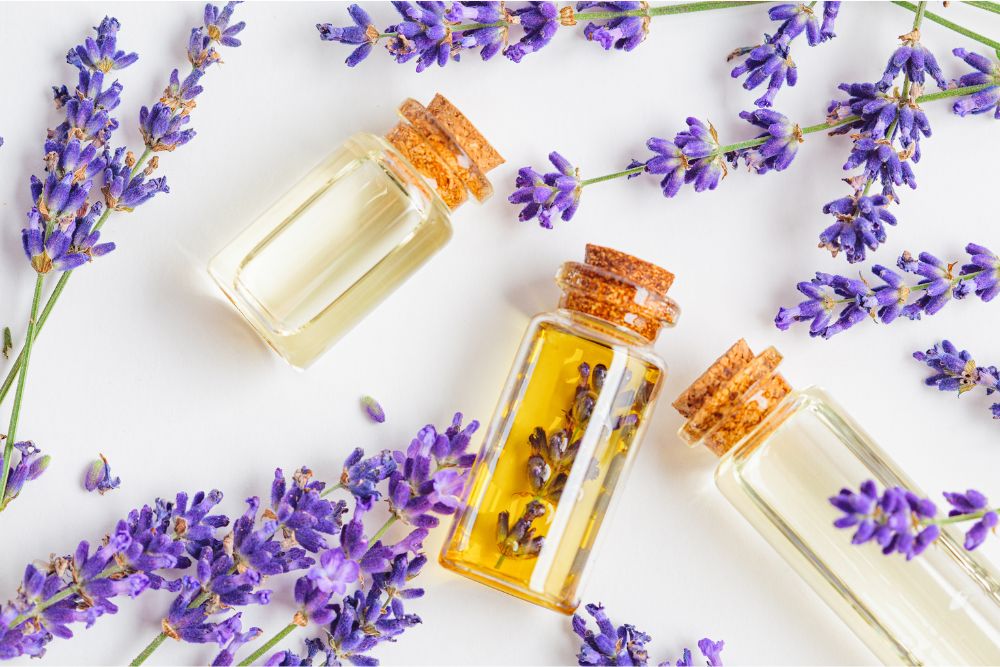
Effects and Traditional Uses of Lavender Essential Oil
Lavender essential oil is a little natural helper with great potential.
Below you'll find an overview of the most common areas of use:
- Calming and relaxation: The scent of lavender is often associated with calming and a sense of relaxation. The fragrance of lavender soothes the nerves and makes even a demanding day more pleasant.
- Sleep support: Before bedtime, you can use it in a diffuser or on your pillow. In aromatherapy, lavender oil is traditionally used to create a calm atmosphere before sleep.
- Skin care: In natural care, it is often used for dry or problematic skin.
- Wound healing: In folk tradition, lavender oil is used to care for minor skin injuries. It is also popular for its fresh scent.
-
Headache relief: Applying diluted oil to the temples is a popular part of relaxation rituals that help promote relaxation.
If you want to support your skin in a purely natural way, get inspired by aromatherapy blends for perfect skin.
How to use lavender oil
The use of lavender oil is very diverse. Here are a few tips:
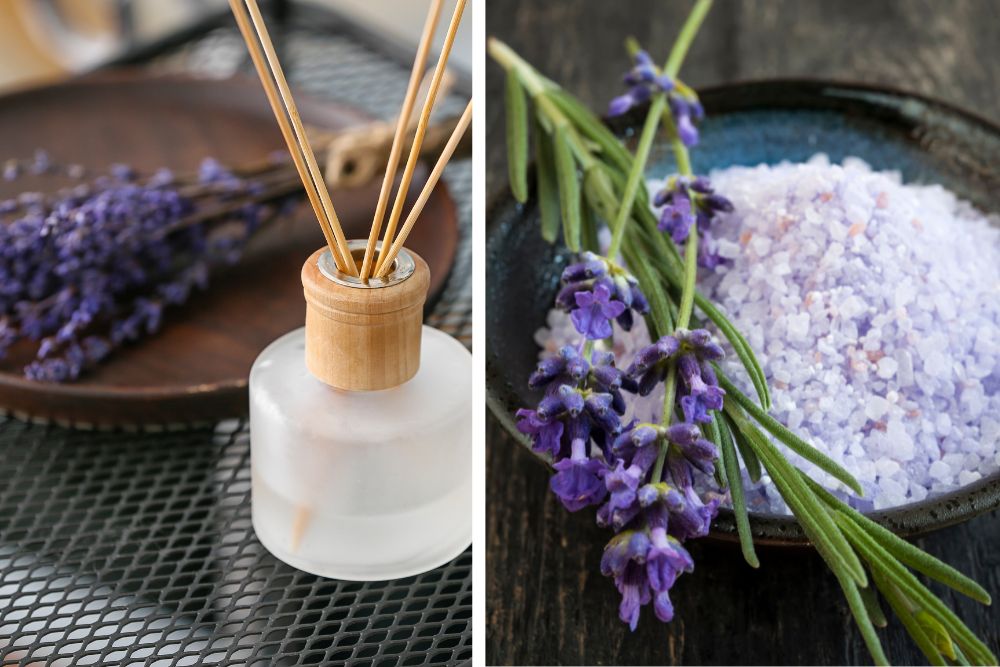
- Aromatherapy: A few drops in a diffuser or aroma lamp beautifully scent the entire room.
- Bath: Add 5–8 drops mixed in a tablespoon of vegetable oil or milk to the bathtub.
- Massage: Mix with a carrier oil (e.g., coconut) for a relaxing home massage.
- Topical use: Apply diluted oil to temples, wrists, or irritated skin.
Tips for Everyday Use of Lavender Oil
- 💧 Before sleep – 2 drops on the corner of your pillow for more peaceful sleep.
- 🛁 In the bath – mix 5 drops with a teaspoon of milk or honey for a relaxing soak.
- 💆♀️ On skin – diluted with carrier oil, it soothes irritation and dry patches.
- 🏠 In a diffuser – 3–4 drops fill your home with a fresh, clean aroma.
Safe Use and Recommendations
Lavender oil is generally well-tolerated, but it's important to follow a few guidelines:
- Always dilute: Never apply undiluted to skin. The recommended ratio is 2–5 drops per 10 ml of carrier oil.
- Sensitivity test: Try it first on a small area (e.g., inside of forearm).
- Children and pregnant women: Always consult with a doctor for these groups.
- Storage: Keep the oil in a dark, cool place – this extends its shelf life and effectiveness.
Practical advice on dosage, dilution and testing can be found in the article on safe use of essential oils.
Possible Interactions with Medications
If you take medication regularly, caution is advised. Lavender oil may:
- enhance the effects of sedatives and anxiety medications,
- affect blood clotting when used alongside anticoagulants,
- slightly lower blood sugar levels,
- interfere with hormonal balance (especially with long-term use in larger amounts).
In these cases, it's always advisable to consult your doctor or pharmacist before use.
Conclusion: The Power of Lavender in Everyday Life
Lavender essential oil is a gentle yet effective helper in everyday body and mind care. It's beloved for its scent, which is associated with relaxation. In natural care, it's used to fragrance spaces and skin.
Whether you add it to your bath, use it during massage, or simply to pleasantly scent your home, always keep proper dosage and oil quality in mind.
Lavender is just one of many oils used to support wellbeing. Discover other essential oils and their traditional uses.