 Essential oils
 Aroma lamps
 Aroma Diffusers
 Vegetables
 Herbs and spices
 Ornamental Plant Seeds
 Grass mixtures
 Sprouts and microgreens
 Exotic Fruit and Vegetables
 Exotic herbs
 Exotic trees and shrubs
 Ornamental exotic plants
 Espresso coffee
 Ecological coffee preparation
 Thermal mugs and coffee cups
 Aeropress
 Thermos flasks and thermal mugs for coffee and tea
 Moka pot
 Filter coffee
 Coffee blends
 Water filtration
 Coffee grinders
 Cleaning the Coffee Maker
 Ecological Cleaning of Coffee Machines
 Coffee makers
 Coffee Preparation
 Coffee Accessories
 For wildlife and pets
 Chocolate and others
 Hemp food products
 Hemp cosmetics
 Bongs - water pipes
 Blunts and tubes
 E-liquids with Terpenes and CBD
 Grinders and Mills
 Papers and filters
 Smoking accessories
 Vaporizers
 Air fresheners
 CBD sprays
 CBD and CBN crystals
 CBD body and facial care
 Weeds
 CBD suppositories and capsules
 CBD oils and drops
 CBG oils and drops
 Fashion and Decoration
 Kitchen essentials and cooking
 Christmas Decorations and Accessories
 Gift Sets
 Bird feeders
 Seasonal and Special Tools

 Our products
 Aromatherapy - essential oils
 Seeds
 Growing supplies
 Cultivation and Gardening Supplies
 Hydroponics and indoor growing
 Protective equipment and gardening tools
 Exotic plants
 Roasted coffee
 Accessories for coffee makers
 Food products
 Natural cosmetics
 Smoking supplies
 CBD and CBG products
 House and garden


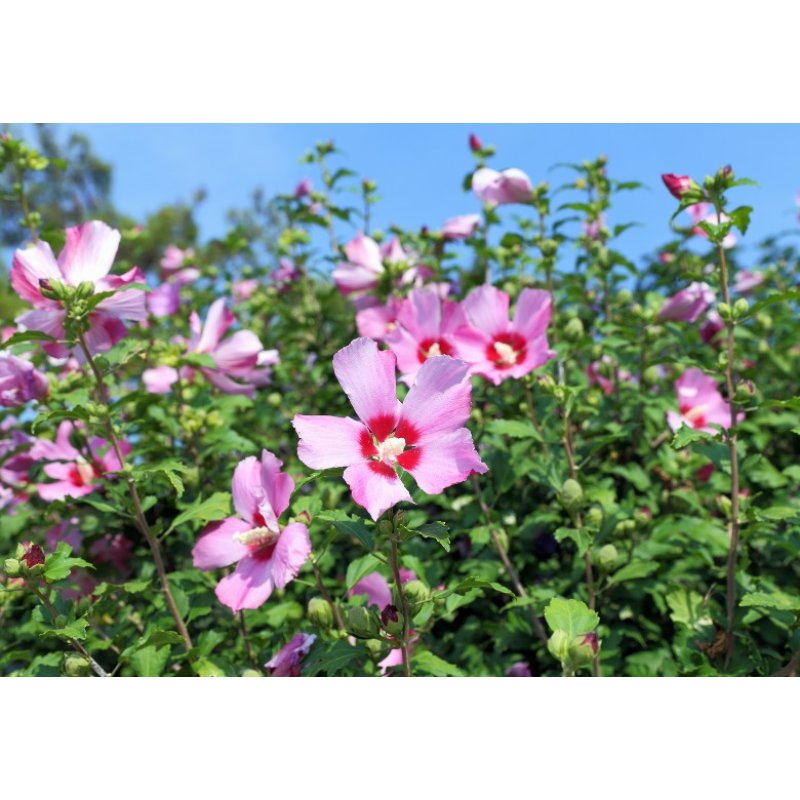
Syrian hibiscus is a deciduous shrub with colorful flowers. Its beautiful blooms in various shades of white, pink and purple bring color and elegance to the garden.
 Wide range of quality products
Seeds, essential oils, growing supplies and exotic plants in one place
 Eco-friendly range
We prefer natural and gentle products
 Expert advice
We help you grow – guides, blog and personal support
 Delivery across the EU
PPL, DPD, GLS and local carriers – pickup point or home delivery
Rose of Sharon is a deciduous shrub that originates from Eastern Asia, specifically from regions stretching from eastern Turkey to Korea. This shrub is a popular ornamental plant thanks to its beautiful flowers and ability to grow even in less favorable conditions. It typically blooms from summer to autumn, making it an attractive plant for flower gardens. Rose of Sharon is relatively undemanding to grow and thrives in most soil types. It's popular not only for its flowers but also for its ability to tolerate various conditions and withstand lower temperatures.
.png)
Rose of Sharon grows to a height of 1.5 to 3 meters depending on the variety and growing conditions. The plant has alternate, simple leaves with serrated edges. The leaves are dark green in color with a smooth surface. It's a deciduous plant, which means it sheds its leaves in autumn. The most distinctive part of Rose of Sharon are its flowers. They are large, typically 7-10 cm in diameter with five petals. The flowers can have various color shades, including white, pink, purple, blue, and red. The flowers often bloom at the ends of branches and create bell-shaped inflorescences. They are striking and charming, easily attracting the attention of both insects and people. Overall, Rose of Sharon is a captivating garden shrub with impressive flowers that add diversity and vitality to gardens and landscapes.

1. Seed preparation: soak the seeds for several hours or overnight in warm water to increase their germination rate.
2. Soil preparation: prepare a moist and permeable substrate. You can use a mixture of peat and sand or a special substrate for seed sowing.
3. Sowing: carefully plant the seeds into the substrate, but don't cover them with soil. You can lightly press them down to ensure sufficient contact with the substrate.
4. Creating a humid environment: place a transparent plastic container over the seeds to create a humid microclimate. This will accelerate seed germination.
5. Germination: place the growing container in a warm and bright location, but away from direct sunlight. Keep the substrate moist, but don't overwater it to prevent the seeds from rotting.
6. Seedling care: once the seeds begin to germinate and produce their first leaves, you can transplant them into larger containers or outdoor soil. Provide them with plenty of sunlight and keep the soil consistently moist.
7. Outdoor planting: before permanently planting in the garden, gradually increase the hardiness of the seedlings to outdoor conditions. Then plant them in the garden in a sunny or slightly shaded location.
Data sheet
Your review appreciation cannot be sent
Report comment
Report sent
Your report cannot be sent
Write your review
Review sent
Your review cannot be sent
Syrian hibiscus is a deciduous shrub with colorful flowers. Its beautiful blooms in various shades of white, pink and purple bring color and elegance to the garden.
check_circle
check_circle