 Essential oils
 Aroma lamps
 Aroma Diffusers
 Vegetables
 Herbs and spices
 Ornamental Plant Seeds
 Grass mixtures
 Sprouts and microgreens
 Exotic Fruit and Vegetables
 Exotic herbs
 Exotic trees and shrubs
 Ornamental exotic plants
 Espresso coffee
 Ecological coffee preparation
 Thermal mugs and coffee cups
 Aeropress
 Thermos flasks and thermal mugs for coffee and tea
 Moka pot
 Filter coffee
 Coffee blends
 Water filtration
 Coffee grinders
 Cleaning the Coffee Maker
 Ecological Cleaning of Coffee Machines
 Coffee makers
 Coffee Preparation
 Coffee Accessories
 For wildlife and pets
 Chocolate and others
 Hemp food products
 Hemp cosmetics
 Bongs - water pipes
 Blunts and tubes
 E-liquids with Terpenes and CBD
 Grinders and Mills
 Papers and filters
 Smoking accessories
 Vaporizers
 Air fresheners
 CBD sprays
 CBD and CBN crystals
 CBD body and facial care
 Weeds
 CBD suppositories and capsules
 CBD oils and drops
 CBG oils and drops
 Fashion and Decoration
 Kitchen essentials and cooking
 Christmas Decorations and Accessories
 Gift Sets
 Bird feeders
 Seasonal and Special Tools

 Our products
 Aromatherapy - essential oils
 Seeds
 Growing supplies
 Cultivation and Gardening Supplies
 Hydroponics and indoor growing
 Protective equipment and gardening tools
 Exotic plants
 Roasted coffee
 Accessories for coffee makers
 Food products
 Natural cosmetics
 Smoking supplies
 CBD and CBG products
 House and garden


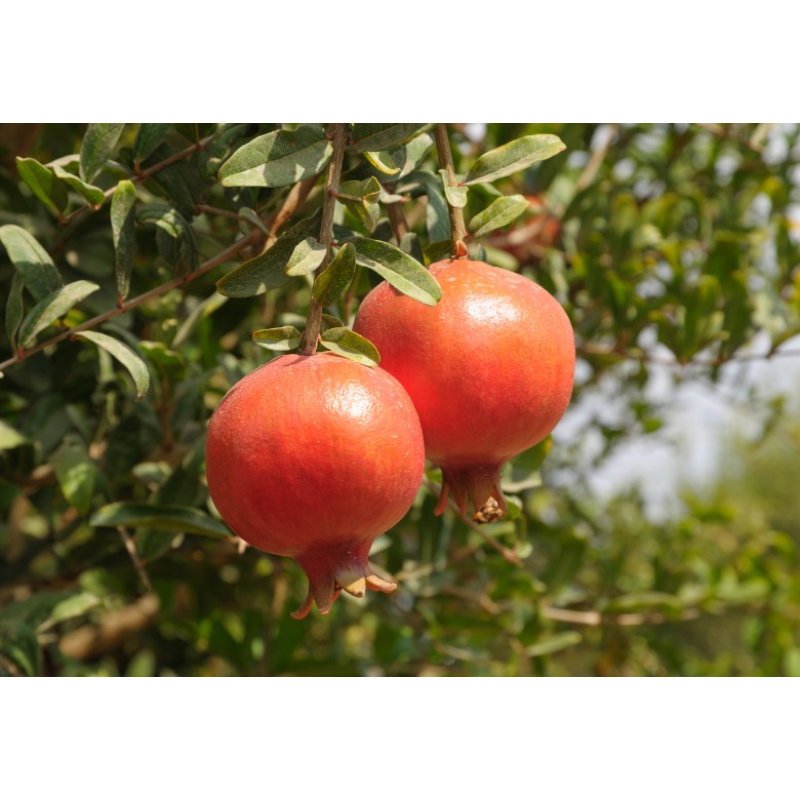
The pomegranate is a fruit tree known for its distinctive red fruits, which are rich in vitamins and antioxidants. It has a long history of cultivation. The fruits are used in gastronomy, as well as in traditional medicine and cosmetics. This tree is visually very attractive and can be a great addition to any garden.
 Wide range of quality products
Seeds, essential oils, growing supplies and exotic plants in one place
 Eco-friendly range
We prefer natural and gentle products
 Expert advice
We help you grow – guides, blog and personal support
 Delivery across the EU
PPL, DPD, GLS and local carriers – pickup point or home delivery
Pomegranate is a fruit tree originating from the Mediterranean and Middle East. This tree belongs to the Lythraceae family and is known for its distinctive red fruits, which have sweet flesh full of seeds. Pomegranate has been cultivated since ancient times for its taste. The fruits are often consumed fresh, but they are also used to make juices, syrups and other foods.
 (4).png)
Pomegranate is a medium-sized tree that can grow up to 5-8 metres in height. It has a compact, rounded or slightly spreading crown. The leaves are glossy, narrow and elongated, fresh green in colour. Pomegranate flowers are large and showy, with orange or red petals. The fruits are round and have a hard skin, which is usually red or yellow. Inside the fruit there are many small seeds covered with sweet flesh beloved for its juicy taste. The plant is very attractive aesthetically and has a long history of cultivation thanks to its decorative and utilitarian properties.
 (2).png)
1. Seed stratification: pomegranate seeds usually have a slightly hard coat, which can prevent rapid germination. You can solve this problem with seed stratification, which is a process that mimics the natural conditions that seeds go through during winter. Wrap the seeds in a damp paper towel and place them in a resealable plastic bag. Then store the bag in the refrigerator for 4 to 6 weeks.
2. Preparation of growing medium: you can use a mixture of peat and sand in equal proportions. This will ensure good drainage and aeration to allow germination.
3. Seed germination: bury the seeds in the growing medium to a depth of about 1-2 cm. Make sure there is sufficient space between the seeds for root development.
4. Ensuring warmth and moisture: place the growing container or pot in a warm and sunny location, such as on a windowsill. Make sure the substrate remains moist but not waterlogged. You can use a spray bottle for watering.
5. Germination and growing: after a few weeks, the seeds should start to germinate and form their first leaves. Once they have grown to a sufficient height, you can transplant them into larger individual pots.
6. Seedling care: young pomegranate plants need a constantly warm and sunny location. Water them regularly and provide them with sufficient light and air.
7. Growth and care: pomegranates can take several years before they start bearing fruit. Fertilize them regularly, prune them and remove weeds.
Data sheet
Your review appreciation cannot be sent
Report comment
Report sent
Your report cannot be sent
Write your review
Review sent
Your review cannot be sent
The pomegranate is a fruit tree known for its distinctive red fruits, which are rich in vitamins and antioxidants. It has a long history of cultivation. The fruits are used in gastronomy, as well as in traditional medicine and cosmetics. This tree is visually very attractive and can be a great addition to any garden.
check_circle
check_circle