 Essential oils
 Aroma lamps
 Aroma Diffusers
 Vegetables
 Herbs and spices
 Ornamental Plant Seeds
 Grass mixtures
 Sprouts and microgreens
 Exotic Fruit and Vegetables
 Exotic herbs
 Exotic trees and shrubs
 Ornamental exotic plants
 Espresso coffee
 Ecological coffee preparation
 Thermal mugs and coffee cups
 Aeropress
 Thermos flasks and thermal mugs for coffee and tea
 Moka pot
 Filter coffee
 Coffee blends
 Water filtration
 Coffee grinders
 Cleaning the Coffee Maker
 Ecological Cleaning of Coffee Machines
 Coffee makers
 Coffee Preparation
 Coffee Accessories
 For wildlife and pets
 Chocolate and others
 Hemp food products
 Hemp cosmetics
 Bongs - water pipes
 Blunts and tubes
 E-liquids with Terpenes and CBD
 Grinders and Mills
 Papers and filters
 Smoking accessories
 Vaporizers
 Air fresheners
 CBD sprays
 CBD and CBN crystals
 CBD body and facial care
 Weeds
 CBD suppositories and capsules
 CBD oils and drops
 CBG oils and drops
 Fashion and Decoration
 Kitchen essentials and cooking
 Christmas Decorations and Accessories
 Gift Sets
 Bird feeders
 Seasonal and Special Tools
- Sale -30 %

 Our products
 Aromatherapy - essential oils
 Seeds
 Growing supplies
 Cultivation and Gardening Supplies
 Hydroponics and indoor growing
 Protective equipment and gardening tools
 Exotic plants
 Roasted coffee
 Accessories for coffee makers
 Food products
 Natural cosmetics
 Smoking supplies
 CBD and CBG products
 House and garden


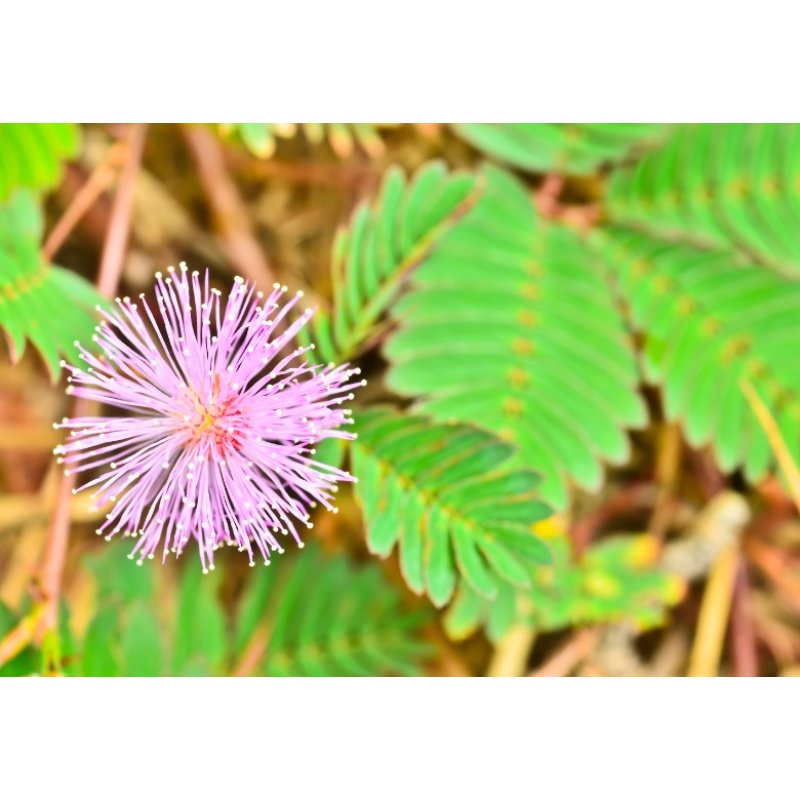
The sensitive plant is a fascinating plant that reacts to touch and is known for its closing leaves. This interactive plant attracts attention with its defensive mechanism and has become an interesting addition to interiors and gardens.
 Wide range of quality products
Seeds, essential oils, growing supplies and exotic plants in one place
 Eco-friendly range
We prefer natural and gentle products
 Expert advice
We help you grow – guides, blog and personal support
 Delivery across the EU
PPL, DPD, GLS and local carriers – pickup point or home delivery
The Sensitive Plant is well-known for its ability to respond to physical stimuli by closing its leaves. It originates from tropical regions of South America, specifically from Central and South America and the Caribbean. The Sensitive Plant is famous for its leaves that have the ability to quickly react to touch or other types of stimuli. It responds to touch by closing its leaves. This reaction is a defensive mechanism that protects the plant from insects or other potential dangers. Once the stimulus passes, the leaves gradually reopen. It is often grown as a houseplant. Thanks to its appearance and interactivity, it is popular with both children and adults. However, if you decide to grow it as a houseplant, it requires a certain level of care.

The Sensitive Plant is a small, bushy plant with a unique appearance. It has a thin and branched stem that typically grows to a height of 30-50 cm, although in nature it can grow up to 1 meter. The leaves consist of numerous small leaflets arranged along the stem. The leaves are oval-shaped, finely serrated at the edges. They have a light green color and a silky sheen. It blooms with small pink or purple flowers arranged in clusters at the tips of branches. The most famous feature of the Sensitive Plant is its ability to respond to touch. When someone touches it, it quickly closes its leaves. The leaves reopen after a certain period of time.
Overall, the Sensitive Plant is a fascinating plant that captivates with its mobile character and unique appearance. Due to its interactivity, it is popular not only among botanists but also with the general public.
.png)
1. Soil preparation: the Sensitive Plant thrives in well-draining, nutrient-rich soil. Mix universal substrate with perlite sand or vermiculite to ensure good drainage.
2. Sowing seeds: spread the seeds evenly across the soil surface and gently press them down, but don't cover them completely with a layer of soil. When sowing, create sufficient space between seeds so the plants have room to grow.
3. Watering: gently water the soil. Make sure the soil remains constantly moist, but not waterlogged, to prevent root rot.
4. Temperature and lighting: maintain a warm environment, ideally around 24-27 °C. The plant requires bright but indirect sunlight. If there isn't enough natural light, you can use artificial lighting.
5. Germination and seedlings: after a few weeks, the seeds should start to germinate. Once the seedlings have grown, you can transplant them into larger pots so they have enough space to grow.
6. Seedling care: keep the soil slightly moist, but don't overwater. Gradually increase light intensity so the seedlings adapt to more light.
7. Repotting: once the seedlings reach sufficient size, you can transplant them into larger pots so they have enough space for root growth.
8. Touch acclimatization: to encourage the touch response, you can gently touch the seedlings so the plants develop their characteristic mobility.
9. Proper care: regularly water and fertilize the plant. The plant should begin showing its typical touch response once it reaches maturity.
Data sheet
Your review appreciation cannot be sent
Report comment
Report sent
Your report cannot be sent
Write your review
Review sent
Your review cannot be sent
The sensitive plant is a fascinating plant that reacts to touch and is known for its closing leaves. This interactive plant attracts attention with its defensive mechanism and has become an interesting addition to interiors and gardens.
check_circle
check_circle