 Essential oils
 Aroma lamps
 Aroma Diffusers
 Vegetables
 Herbs and spices
 Ornamental Plant Seeds
 Grass mixtures
 Sprouts and microgreens
 Exotic Fruit and Vegetables
 Exotic herbs
 Exotic trees and shrubs
 Ornamental exotic plants
 Espresso coffee
 Ecological coffee preparation
 Thermal mugs and coffee cups
 Aeropress
 Thermos flasks and thermal mugs for coffee and tea
 Moka pot
 Filter coffee
 Coffee blends
 Water filtration
 Coffee grinders
 Cleaning the Coffee Maker
 Ecological Cleaning of Coffee Machines
 Coffee makers
 Coffee Preparation
 Coffee Accessories
 For wildlife and pets
 Chocolate and others
 Hemp food products
 Hemp cosmetics
 Bongs - water pipes
 Blunts and tubes
 E-liquids with Terpenes and CBD
 Grinders and Mills
 Papers and filters
 Smoking accessories
 Vaporizers
 Air fresheners
 CBD sprays
 CBD and CBN crystals
 CBD body and facial care
 Weeds
 CBD suppositories and capsules
 CBD oils and drops
 CBG oils and drops
 Fashion and Decoration
 Kitchen essentials and cooking
 Christmas Decorations and Accessories
 Gift Sets
 Bird feeders
 Seasonal and Special Tools
- Out of stock

 Our products
 Aromatherapy - essential oils
 Seeds
 Growing supplies
 Cultivation and Gardening Supplies
 Hydroponics and indoor growing
 Protective equipment and gardening tools
 Exotic plants
 Roasted coffee
 Accessories for coffee makers
 Food products
 Natural cosmetics
 Smoking supplies
 CBD and CBG products
 House and garden


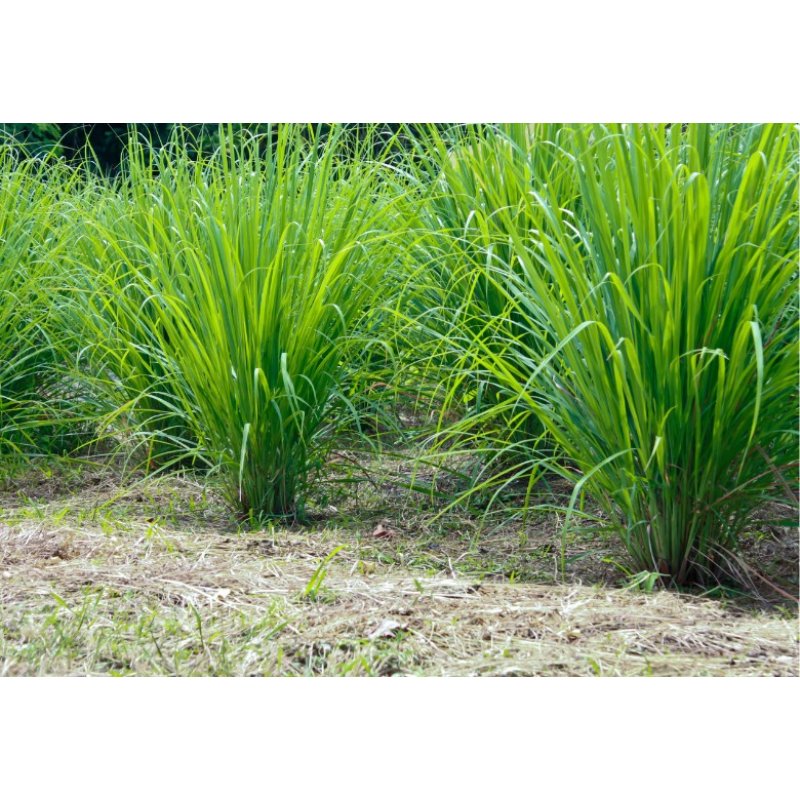
Lemongrass is an aromatic herb with a distinctive lemon scent, known for its essential oil called citronella. It is often grown as an ornamental plant and can be planted in gardens as protection against insects.
 Wide range of quality products
Seeds, essential oils, growing supplies and exotic plants in one place
 Eco-friendly range
We prefer natural and gentle products
 Expert advice
We help you grow – guides, blog and personal support
 Delivery across the EU
PPL, DPD, GLS and local carriers – pickup point or home delivery
Lemongrass originates from South and Southeast Asia, particularly India, Indonesia, Thailand, and Vietnam. It is known for its strong lemon scent. This grass is widely used for extracting essential oil called citronella. Citronella is renowned for its repellent effects against insects, especially mosquitoes, and is therefore often used in various repellent products, candles, sprays, and creams. This grass is frequently grown as an ornamental plant and can also be planted in gardens as protection against insects.

It is a grass with a characteristic appearance. Lemongrass leaves are narrow and dark green. They have an elongated shape and can reach up to 1 meter in length. The leaves are full of essential oil, which has a characteristic lemon scent. The stems are upright and smooth. They can grow up to 2 meters tall. They are usually firm and strong, which helps the plant resist external influences. Lemongrass roots are similar to grass and spread into the ground. They are capable of absorbing moisture well, which helps the plant survive in dry areas. The plant produces inflorescences in the form of clusters, which can have a green to purple color. The most distinctive feature of lemongrass is its intense lemon scent. This scent comes from the essential oil contained in the plant's leaves.
Overall, lemongrass has a charming and grassy appearance, characterized by its ability to produce fragrant oils and resistance to external environmental influences.
.png)
1. Soil Preparation: lemongrass needs well-draining and fertile soil. Prepare a mixture of garden soil and compost to ensure adequate drainage and nutrition.
2. Seed Germination: before planting, it's advisable to germinate the seeds to increase the likelihood of sprouting. Soak the seeds for several hours or overnight in water. This helps soften the coating and speeds up germination.
3. Planting: after germination, you can plant the seeds in the soil. Make small holes in the soil and place the seeds approximately 1 cm deep. Maintain adequate spacing between seeds.
4. Watering: after planting, water the soil to moisten the seeds. Keep the soil moist but not waterlogged.
5. Temperature and Light: ensure that the seeds are in a warm and bright environment. The ideal temperature for germination is approximately 25-30°C. You can use a mini greenhouse or plastic container to create a favorable microclimate.
6. Germination: germination should begin within several weeks. Once the first seedlings appear, you can gradually reduce air humidity and increase the amount of light.
7. Transplanting: once the plants are sufficiently strong and have several leaves, you can transplant them into larger containers or into the garden. Maintain adequate spacing between plants.
8. Plant Care: continue with regular watering and gradually adapt the plants to outdoor conditions. Plants should be placed in a sunny location.
9. Regular Maintenance: lemongrass needs to be trimmed regularly to encourage new leaf growth and make room for new shoots. Leaves can be harvested for culinary use or for obtaining essential oil.
Data sheet
Specific References
Your review appreciation cannot be sent
Report comment
Report sent
Your report cannot be sent
Write your review
Review sent
Your review cannot be sent
Lemongrass is an aromatic herb with a distinctive lemon scent, known for its essential oil called citronella. It is often grown as an ornamental plant and can be planted in gardens as protection against insects.
check_circle
check_circle