
 Our products
 Aromatherapy - essential oils
 Essential oils
 Aroma lamps
 Aroma Diffusers
 Seeds
 Vegetables
 Herbs and spices
 Ornamental Plant Seeds
 Grass mixtures
 Sprouts and microgreens
 Growing supplies
 Cultivation and Gardening Supplies
 Hydroponics and indoor growing
 Protective equipment and gardening tools
 Exotic plants
 Exotic Fruit and Vegetables
 Exotic herbs
 Exotic trees and shrubs
 Ornamental exotic plants
 Roasted coffee
 Espresso coffee
 Ecological coffee preparation
 Thermal mugs and coffee cups
 Aeropress
 Thermos flasks and thermal mugs for coffee and tea
 Moka pot
 Filter coffee
 Coffee blends
 Accessories for coffee makers
 Water filtration
 Coffee grinders
 Cleaning the Coffee Maker
 Ecological Cleaning of Coffee Machines
 Coffee makers
 Coffee Preparation
 Coffee Accessories
 Food products
 For wildlife and pets
 Chocolate and others
 Hemp food products
 Natural cosmetics
 Hemp cosmetics
 Smoking supplies
 Bongs - water pipes
 Blunts and tubes
 E-liquids with Terpenes and CBD
 Grinders and Mills
 Papers and filters
 Smoking accessories
 Vaporizers
 Air fresheners
 CBD and CBG products
 CBD sprays
 CBD and CBN crystals
 CBD body and facial care
 Weeds
 CBD suppositories and capsules
 CBD oils and drops
 CBG oils and drops
 House and garden
 Fashion and Decoration
 Kitchen essentials and cooking
 Christmas Decorations and Accessories
 Gift Sets
 Bird feeders
 Seasonal and Special Tools
Frankincense oil belongs among scents that have a soul. 🌿 For millennia, it has accompanied rituals, meditation, and moments when people seek peace and balance. Its woody, earthy fragrance helps to slow down and calm the mind.
In this article, you'll discover how to use frankincense essential oil during meditation or spiritual rituals, what it symbolizes in different cultures, and how to safely incorporate it into everyday life – not only for spiritual well-being but also for creating a pleasant atmosphere at home.
In short: Frankincense oil is steam distilled from the resin of Boswellia trees, most often carterii and serrata. Use 3 to 5 drops in a diffuser, or dilute to 1 or 2 per cent on skin, meaning 5 to 10 drops per 30 ml of carrier oil. It is not the same as burning resin, which is combusted rather than distilled.
| Source and production | Steam distilled from Boswellia resin |
|---|---|
| Most common species | Boswellia carterii, serrata, sacra |
| Diffuser dose | 3 to 5 drops |
| Skin dilution | 1 to 2 per cent, i.e. 5 to 10 drops per 30 ml carrier oil |
| Bath use | Only after mixing with a spoonful of carrier oil, milk or cream |
| Internal use | Not suitable, aromatherapy and cosmetic use only |
Frankincense oil is steam distilled from the resin of Boswellia trees, most often Boswellia carterii and serrata. It is used mainly for meditation and slower breathing, in skincare for mature skin, and to scent a room. Use 3 to 5 drops in a diffuser, or dilute to 1 or 2 per cent on the skin, meaning 5 to 10 drops per 30 ml of carrier oil. Frankincense oil and frankincense resin for burning are not the same thing: the resin is burned, the oil is distilled from it and is concentrated.
Below you will find what it suits, how to dilute it and how the species differ. This is not medical advice.
Table of Contents
- What properties does frankincense oil have?
- Frankincense oil and skin – how to use it safely?
- Using frankincense oil during meditation
- Frankincense oil in rituals and spiritual ceremonies
- How to use frankincense oil safely?
- In conclusion: Bring peace into your home
- FAQ – most common questions about frankincense oil
What properties does frankincense oil have?
Frankincense essential oil is known for its characteristic scent and traditional use across cultures. Most commonly, you'll encounter it in ritual practices, meditation and aromatherapy.
What can it offer?
- Creating a calm atmosphere: When used in a diffuser or bath, it creates a pleasant sense of relaxation.
- Popular for meditation: Its scent traditionally accompanies meditation practices.
- Aromatherapeutic properties: Frankincense is valued for its earthy aroma.
- Traditional use: In the past, it was used as incense during rituals and ceremonies.
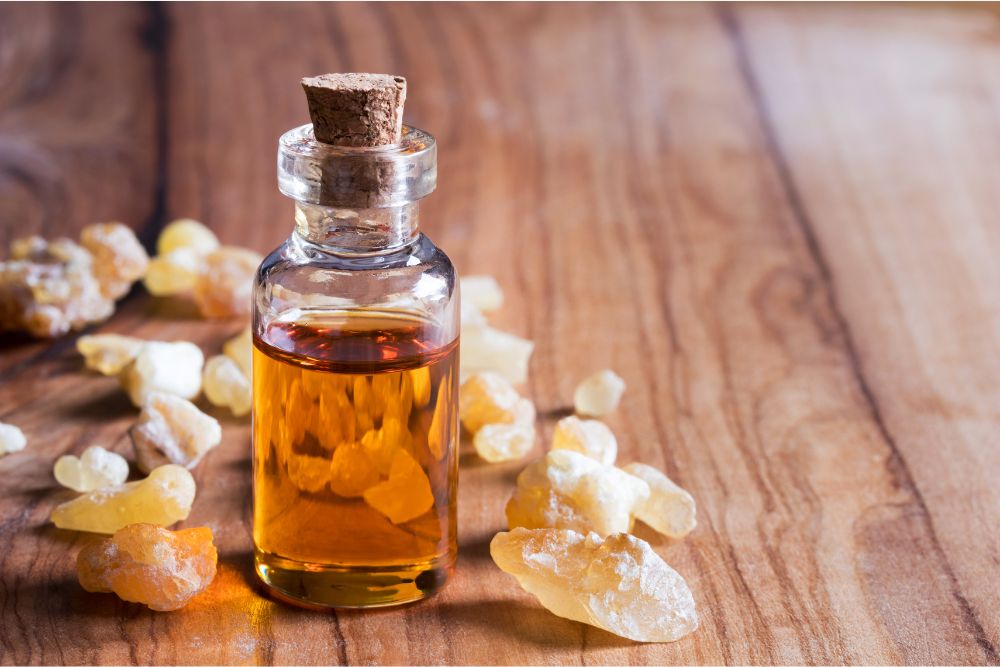
Frankincense Oil and Skin – How to Use It Safely?
Frankincense oil is sometimes used in natural care in small dilution to soothe or scent the skin. However, it's important to follow safety guidelines:
- Use only diluted – ideally 1 drop per 10 ml of carrier oil.
- Avoid application on damaged or irritated skin.
- Before first use, perform a tolerance test on your forearm.
- For children, pregnant women, or people with sensitive skin, we recommend consulting with a specialist.
Using Frankincense Oil During Meditation
Looking for a way to tune into a calmer wavelength in the evening? Frankincense oil can be a pleasant companion for meditation and relaxation.
Tips on How to Use Frankincense Oil:
- Diffuser or aroma lamp: Just a few drops are enough to scent a room. Not sure which diffuser to choose? Check out our diffuser selection guide.
- Inhalation: Add a drop of oil to hot water, cover your head with a towel, and breathe deeply.
- Massage: Use only in combination with a carrier oil.
- Bath: Mix several drops in milk or oil and add to warm water.
💡 Practical tip: Try meditation with dimmed lights or a lit candle – the scent of frankincense beautifully complements a calm atmosphere.
Find more tips on relaxing aroma combinations in the article about proven blends for relaxation.
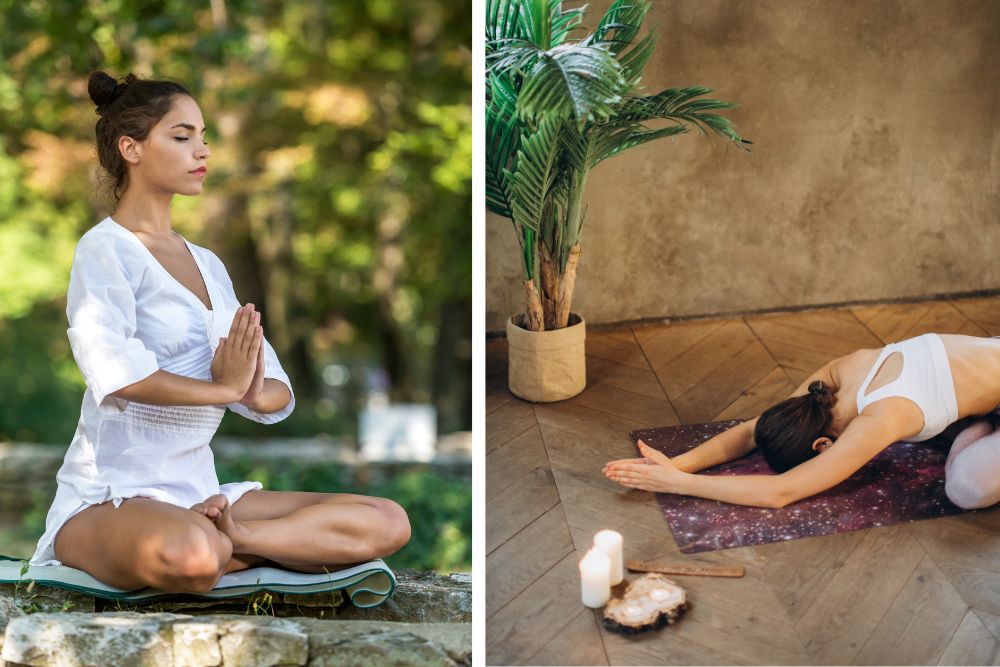
Frankincense Oil in Rituals and Spiritual Ceremonies
The use of frankincense has deep roots in the spiritual practice of many cultures. Its ritual use symbolizes purification, protection, and connection with higher values.
Where is frankincense oil used in ceremonies?
| Tradition | Use |
|---|---|
| Christianity | Part of masses and consecration, symbol of spiritual cleansing |
| Islam | "Bakhoor" for scenting and cleansing space |
| Hinduism | Ceremonial "arti" for worshipping deities and home purification |
| Buddhism | Part of meditation practice |
| Shamanism | Creating sacred space and protective rituals |
How to use frankincense oil safely?
Even though it is a natural essential oil, it's important to follow several recommendations:
- Do not use undiluted directly on skin.
- Do not inhale directly from the bottle.
- Perform a tolerance test on your wrist.
- Pregnant women should consult a doctor before use.
- More information can be found in the article Safe use of essential oils.
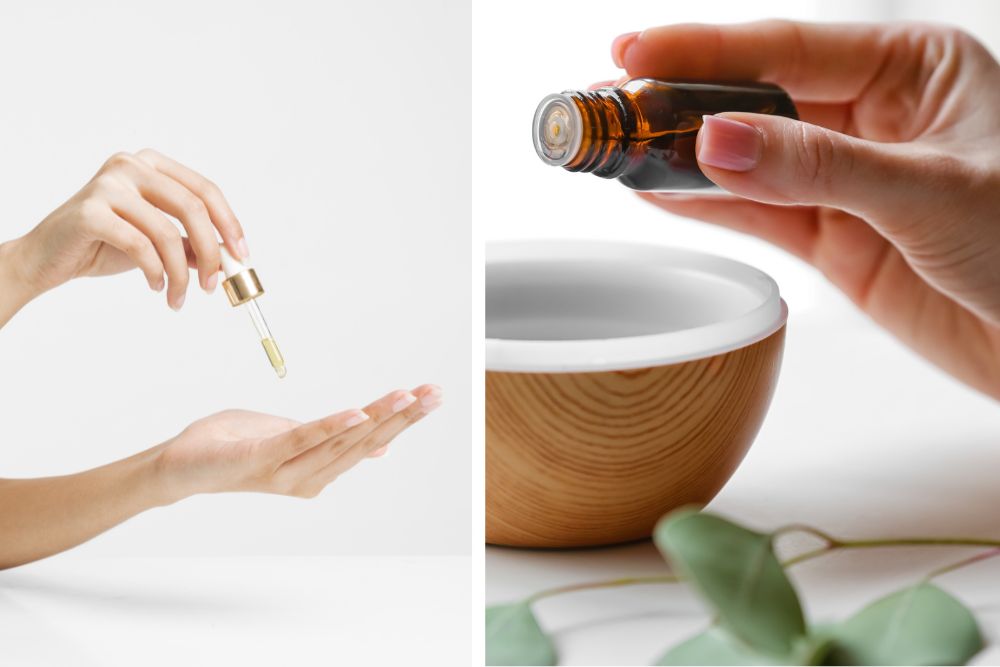
In conclusion: Bring peace into your home
Frankincense oil is much more than just a pleasant fragrance. Traditionally used to create a calm atmosphere and to accompany rituals, spiritual ceremonies and home relaxation. Its earthy aroma beautifully complements evening rest and meditation.
FAQ – Frequently Asked Questions About Frankincense Oil
Frequently asked questions
What are the effects of frankincense oil?
In aromatherapy it is used to settle and slow the breath, which is why it is a classic meditation oil. In skincare it goes into products for mature skin. The anti-inflammatory findings often quoted about boswellic acids concern resin extracts taken internally, not the essential oil on skin.
How do you use frankincense oil?
Three to five drops in a diffuser, or diluted to 1 or 2 per cent in a carrier oil on the skin. Into a bath it goes only after mixing with a spoonful of carrier oil or cream. It blends well with cedarwood and lavender.
What is the difference between the Boswellia species?
Boswellia carterii from Somalia is sweeter and more citrus-like, and the most common. Boswellia serrata from India is drier and more resinous. Boswellia sacra from Oman is usually the most expensive. Look for the full botanical name on the label rather than just the word frankincense.
Is frankincense oil the same as burning frankincense?
No. The resin is burned on charcoal and the scent comes from combustion. The essential oil is steam distilled from that resin, is concentrated and never goes into a flame. Only the oil belongs in a diffuser and only the resin in a censer.
When should you be careful?
Use it in pregnancy or while breastfeeding only after speaking to a doctor, and patch test on the forearm first. It is never swallowed, and oxidised old oil irritates the skin more than fresh.