
 Our products
 Aromatherapy - essential oils
 Essential oils
 Aroma lamps
 Aroma Diffusers
 Seeds
 Vegetables
 Herbs and spices
 Ornamental Plant Seeds
 Grass mixtures
 Sprouts and microgreens
 Growing supplies
 Cultivation and Gardening Supplies
 Hydroponics and indoor growing
 Protective equipment and gardening tools
 Exotic plants
 Exotic Fruit and Vegetables
 Exotic herbs
 Exotic trees and shrubs
 Ornamental exotic plants
 Roasted coffee
 Espresso coffee
 Ecological coffee preparation
 Thermal mugs and coffee cups
 Aeropress
 Thermos flasks and thermal mugs for coffee and tea
 Moka pot
 Filter coffee
 Coffee blends
 Accessories for coffee makers
 Water filtration
 Coffee grinders
 Cleaning the Coffee Maker
 Ecological Cleaning of Coffee Machines
 Coffee makers
 Coffee Preparation
 Coffee Accessories
 Food products
 For wildlife and pets
 Chocolate and others
 Hemp food products
 Natural cosmetics
 Hemp cosmetics
 Smoking supplies
 Bongs - water pipes
 Blunts and tubes
 E-liquids with Terpenes and CBD
 Grinders and Mills
 Papers and filters
 Smoking accessories
 Vaporizers
 Air fresheners
 CBD and CBG products
 CBD sprays
 CBD and CBN crystals
 CBD body and facial care
 Weeds
 CBD suppositories and capsules
 CBD oils and drops
 CBG oils and drops
 House and garden
 Fashion and Decoration
 Kitchen essentials and cooking
 Christmas Decorations and Accessories
 Gift Sets
 Bird feeders
 Seasonal and Special Tools
Sage essential oil is popular for its astringent and refreshing properties, which can contribute to a feeling of clean and fresh skin. If you're looking for gentle natural support for excessive sweating, sage might be an interesting choice. In this article, you'll find simple tips on how to use the oil in everyday care, when to reach for it, and what to watch out for.
In short: Sage essential oil is used in natural care for its astringent, refreshing aroma and the feeling of clean skin, not as a medical treatment. Always dilute it in a carrier oil: 5–10 drops in a bath, 1 drop in a diffuser. Avoid it during pregnancy and breastfeeding, in children under 6 and with epilepsy.
| Source plant | Leaves of Salvia officinalis (common sage) |
|---|---|
| Bath dose | 5–10 drops, first mixed into milk or honey |
| Diffuser dose | 1 drop in a diffuser or bowl of warm water |
| Skin use | A few drops diluted in a carrier oil, massaged into underarms, neck or back |
| Before first use | Tolerance (patch) test with diluted oil on the forearm |
| Not suitable for | Pregnancy, breastfeeding, children under 6, people with epilepsy |
Did you know that sage essential oil is used in natural care primarily for its refreshing character and feeling of cleanliness on the skin? This aromatic herb is popular not only for its scent, but also because it can be an interesting choice for dealing with uncomfortable sweating – especially in warm weather or during stress.
In this article, we'll look at how sage oil is traditionally used, how to incorporate it into your daily routine, and what to watch out for. If you're looking for gentle, natural and fragrant inspiration for skincare without chemical antiperspirants, you're in the right place.
Article Contents
- How does sage oil affect the body?
- How to use sage oil in practice?
- Safe use and important warnings
- Other natural alternatives
- Conclusion: Natural care that makes sense
How does sage oil affect the body?
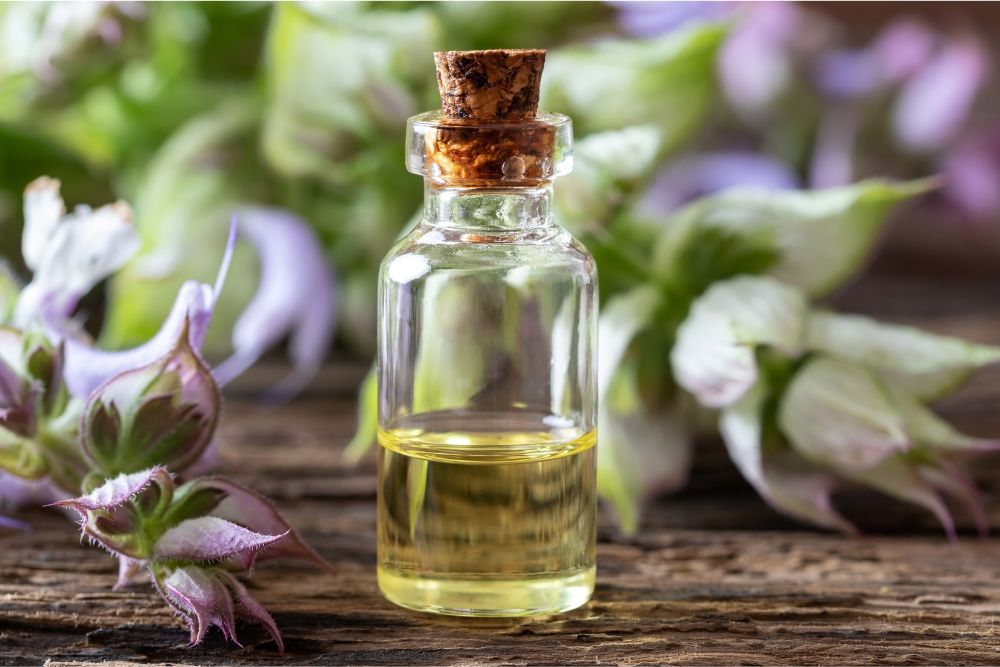
Sage essential oil is extracted from the leaves of Salvia officinalis (common sage) and is valued for its astringent and refreshing aroma, which is often associated with a feeling of cleanliness on the skin.
Its herbal scent is often used after showering or shaving – when the skin appreciates gentle care and the need for a "lighter feeling", especially during warm days.
How to use sage oil in practice?
1. Skin massage
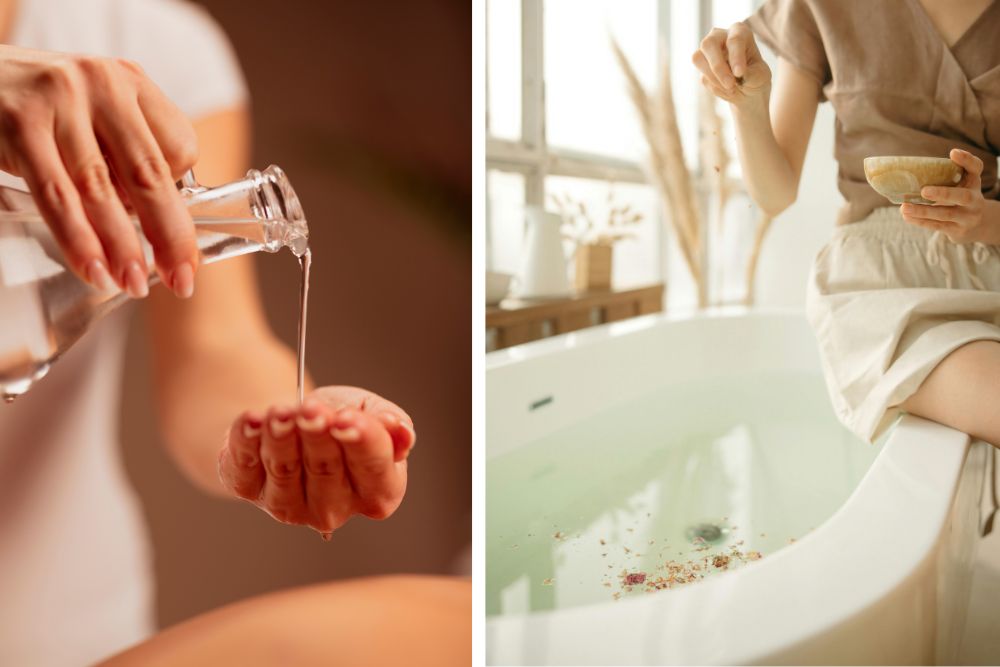
Mix a few drops of sage oil with a carrier oil and gently massage into areas you want to refresh – typically underarms, neck or back.
➡ Ideal after showering or in the evening when you want to feel fresh.
2. Bath with Sage Oil
Add 5–10 drops to your bath mixed in milk or honey. Warm water beautifully develops the scent and supports a pleasant atmosphere.
➡ Many people associate this bath with a feeling of relaxation and clean skin.
3. Scent Inhalation
Add 1 drop to a diffuser or bowl of warm water. The herbal aroma is often used for calming before sleep or during a stressful day.
➡ Stress is a common trigger for sweating – a calming atmosphere can be a pleasant addition to your care routine.
Find more about scents and their effects in the article: Healing Effects of Herbal Essential Oils.
Safe Use and Important Warnings
Sage oil is concentrated, so it's advisable to handle it carefully and always dilute it.
- Perform a tolerance test – apply a small amount of diluted oil to your forearm.
- Avoid sun exposure after application – some oils may increase skin sensitivity.
- Not suitable for pregnant and breastfeeding women, children under 6, or people with epilepsy.
💡 Recommendation: If you're unsure about the oil's suitability, consult with an aromatherapist.

Other Natural Alternatives Against Sweating
If you're looking for broader options, here are several other natural tips:
| Natural Helper | How to Use |
|---|---|
| Tea tree oil | Popular for its fresh scent, which is often associated with clean skin. |
| Lavender oil | Suitable for sensitive skin and gentle care. |
| Cedarwood oil | Often used for its woody scent and feeling of freshness. |
| Witch hazel | Natural toner popular in skin care. |
| Herbal teas | In traditional care, sage or oregano tea was used for an overall sense of well-being. |
Conclusion: Natural Care That Makes Sense
Sage essential oil can be an interesting choice if you're looking for natural inspiration for unpleasant perspiration or want to refresh your daily skincare routine. It's simple to use, has a pleasant scent, and fits perfectly into home ritual care.
Try sage oil from our range and discover its gentle, herbal atmosphere.