 Essential oils
 Aroma lamps
 Aroma Diffusers
 Vegetables
 Herbs and spices
 Ornamental Plant Seeds
 Grass mixtures
 Sprouts and microgreens
 Exotic Fruit and Vegetables
 Exotic herbs
 Exotic trees and shrubs
 Ornamental exotic plants
 Espresso coffee
 Ecological coffee preparation
 Thermal mugs and coffee cups
 Aeropress
 Thermos flasks and thermal mugs for coffee and tea
 Moka pot
 Filter coffee
 Coffee blends
 Water filtration
 Coffee grinders
 Cleaning the Coffee Maker
 Ecological Cleaning of Coffee Machines
 Coffee makers
 Coffee Preparation
 Coffee Accessories
 For wildlife and pets
 Chocolate and others
 Hemp food products
 Hemp cosmetics
 Bongs - water pipes
 Blunts and tubes
 E-liquids with Terpenes and CBD
 Grinders and Mills
 Papers and filters
 Smoking accessories
 Vaporizers
 Air fresheners
 CBD sprays
 CBD and CBN crystals
 CBD body and facial care
 Weeds
 CBD suppositories and capsules
 CBD oils and drops
 CBG oils and drops
 Fashion and Decoration
 Kitchen essentials and cooking
 Christmas Decorations and Accessories
 Gift Sets
 Bird feeders
 Seasonal and Special Tools
- Sale -10 %

 Our products
 Aromatherapy - essential oils
 Seeds
 Growing supplies
 Cultivation and Gardening Supplies
 Hydroponics and indoor growing
 Protective equipment and gardening tools
 Exotic plants
 Roasted coffee
 Accessories for coffee makers
 Food products
 Natural cosmetics
 Smoking supplies
 CBD and CBG products
 House and garden


Thorny bamboo, also known as giant bamboo, is an impressive bamboo species that reaches heights of up to 30 meters. This bamboo species is considered one of the largest and most resilient bamboos.
 Wide range of quality products
Seeds, essential oils, growing supplies and exotic plants in one place
 Eco-friendly range
We prefer natural and gentle products
 Expert advice
We help you grow – guides, blog and personal support
 Delivery across the EU
PPL, DPD, GLS and local carriers – pickup point or home delivery
Thorny bamboo naturally occurs in various parts of Asia, including India, Bangladesh, Nepal, and Myanmar. It is known for its impressive height and culm thickness. This bamboo species is considered one of the largest and most resilient bamboos. Thorny bamboo has both historical and modern uses in construction, agriculture, and furniture production. Its large and strong culms can be used as building material for constructing various structures. Additionally, bamboo is also utilized as a food source (young shoots), raw material for handicrafts, and more. Thanks to its impressive size and rapid culm growth, thorny bamboo can be an attractive and useful element in landscaping, agriculture, and construction.

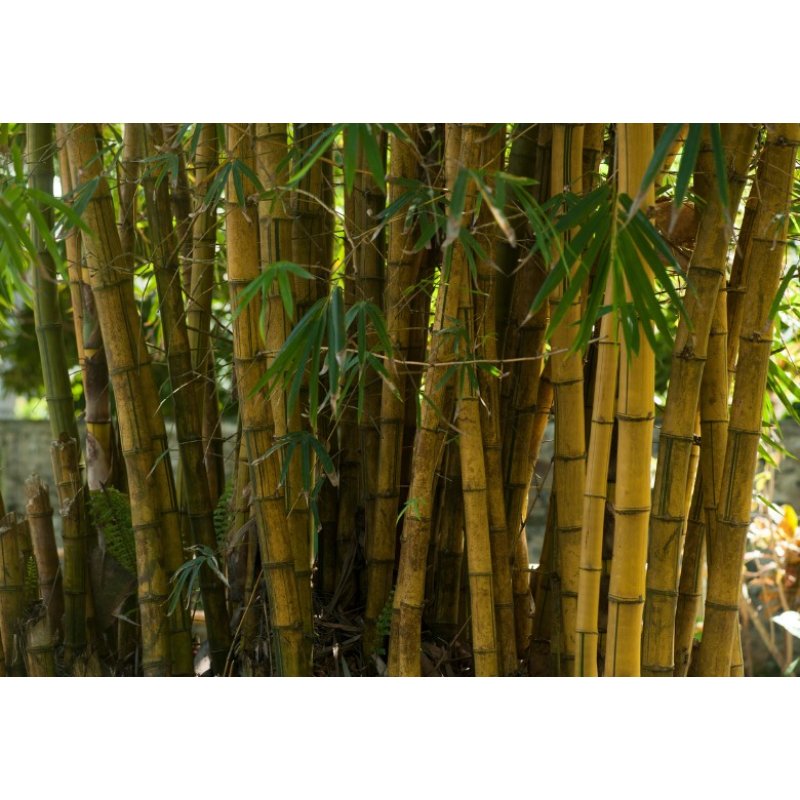
Thorny bamboo, also known as giant bamboo, is an impressive plant with characteristic features that distinguish it from other species. The most distinctive feature of this bamboo is its massive culms. These culms can reach heights of up to 30 meters, making it one of the tallest bamboos. The culms are strong and have a diameter of approximately 30-40 cm. They are smooth, cylindrical in shape, and can have a light brown to gray color. The bamboo leaves are long and narrow. They grow from the top of the culm and form the plant's crown. The leaves can have a light green to dark green color.
Overall, thorny bamboo is an impressive plant that can create a sense of overwhelming vertical mass. Its tall culms are a striking feature and attract attention with their monumental appearance. The plant has versatile uses ranging from building materials to decorative elements in gardens.
.png)
1. Seed Preparation: you can first soak the seeds overnight in water. This will speed up their germination.
2. Soil Preparation: bamboo prefers well-draining and nutrient-rich soil. You can prepare a mixture of garden soil, peat, and sand.
3. Seedlings: plant the seeds approximately 1-2 cm deep into the soil. You can use small pots or seedling trays. When planting multiple seeds, leave sufficient space between them for growth.
4. Watering: keep the soil moist but not overly wet. Regular and moderate watering is important for seed germination.
5. Temperature and Light: ensure the seedlings receive sufficient light, but don't expose them directly to harsh sunlight. The optimal temperature for bamboo seed germination typically ranges around 25-30 °C.
6. Patience: germination and bamboo growth can be a relatively slow process. Therefore, be patient and monitor how the seedlings gradually develop.
7. Transplanting: once the seedlings develop a sufficiently strong root system and reach a certain height, you can transplant them into larger containers or outdoor soil.
8. Plant Care: during growth, watch out for weeds and ensure adequate watering. Gradually expose the seedlings to more sunlight.
9. Garden Cultivation: once the seedlings have grown, you can transplant them to a permanent location in the garden. Choose a well-shaded spot with sufficient space for growth.
Data sheet
Your review appreciation cannot be sent
Report comment
Report sent
Your report cannot be sent
Write your review
Review sent
Your review cannot be sent
Thorny bamboo, also known as giant bamboo, is an impressive bamboo species that reaches heights of up to 30 meters. This bamboo species is considered one of the largest and most resilient bamboos.
check_circle
check_circle