 Essential oils
 Aroma lamps
 Aroma Diffusers
 Vegetables
 Herbs and spices
 Ornamental Plant Seeds
 Grass mixtures
 Sprouts and microgreens
 Exotic Fruit and Vegetables
 Exotic herbs
 Exotic trees and shrubs
 Ornamental exotic plants
 Espresso coffee
 Ecological coffee preparation
 Thermal mugs and coffee cups
 Aeropress
 Thermos flasks and thermal mugs for coffee and tea
 Moka pot
 Filter coffee
 Coffee blends
 Water filtration
 Coffee grinders
 Cleaning the Coffee Maker
 Ecological Cleaning of Coffee Machines
 Coffee makers
 Coffee Preparation
 Coffee Accessories
 For wildlife and pets
 Chocolate and others
 Hemp food products
 Hemp cosmetics
 Bongs - water pipes
 Blunts and tubes
 E-liquids with Terpenes and CBD
 Grinders and Mills
 Papers and filters
 Smoking accessories
 Vaporizers
 Air fresheners
 CBD sprays
 CBD and CBN crystals
 CBD body and facial care
 Weeds
 CBD suppositories and capsules
 CBD oils and drops
 CBG oils and drops
 Fashion and Decoration
 Kitchen essentials and cooking
 Christmas Decorations and Accessories
 Gift Sets
 Bird feeders
 Seasonal and Special Tools

 Our products
 Aromatherapy - essential oils
 Seeds
 Growing supplies
 Cultivation and Gardening Supplies
 Hydroponics and indoor growing
 Protective equipment and gardening tools
 Exotic plants
 Roasted coffee
 Accessories for coffee makers
 Food products
 Natural cosmetics
 Smoking supplies
 CBD and CBG products
 House and garden


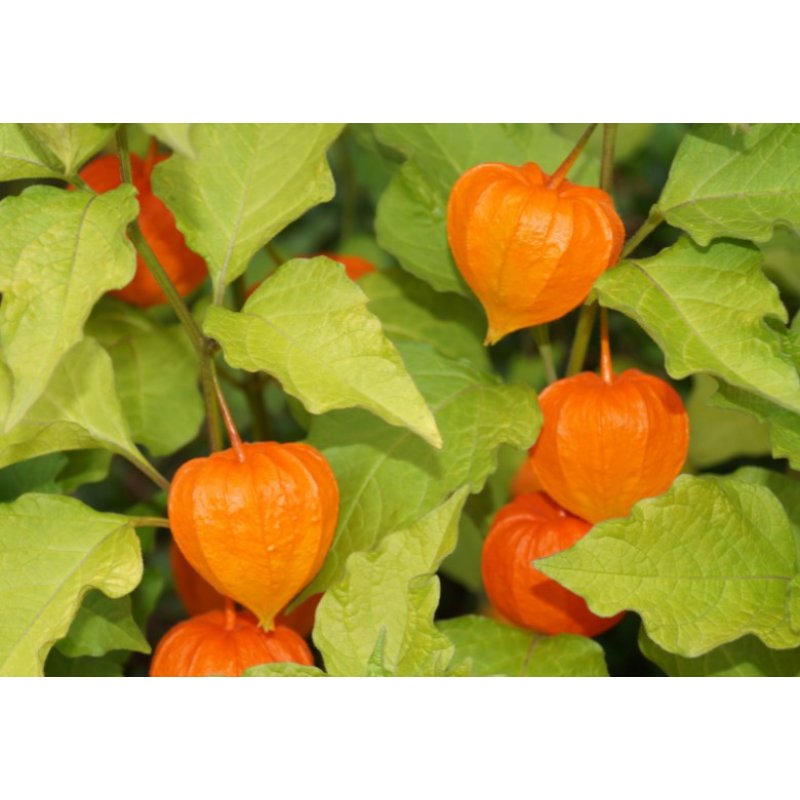
Peruvian ground cherry is a small fruit plant native to South America. It is characterized by its light green leaves and bell-shaped flowers. It is known for its medicinal effects and is valued for its exotic appearance and taste.
 Wide range of quality products
Seeds, essential oils, growing supplies and exotic plants in one place
 Eco-friendly range
We prefer natural and gentle products
 Expert advice
We help you grow – guides, blog and personal support
 Delivery across the EU
PPL, DPD, GLS and local carriers – pickup point or home delivery
Cape gooseberry is a small fruit-bearing plant native to South America. It belongs to the nightshade family and is related to tomatoes and peppers. Cape gooseberry produces round orange fruits the size of a cherry, which are enclosed in a papery husk. These fruits have a sweet and slightly tart taste and are rich in vitamin C and other nutrients. They are popular culinary ingredients and are used fresh, dried or processed into jams, desserts and sweet sauces.
 (3).png)
Cape gooseberry is a perennial plant growing to a height of approximately 1 metre. It has densely branched hairy stems and oval, alternately arranged leaves with prominent veining. The plant produces small bell-shaped flowers with bright yellow petals. The fruits of cape gooseberry are round orange berries about the size of a cherry, which are enclosed in a papery husk. These fruits are attractive and distinctive due to their colouring and paper-like covering, which is partially translucent. Overall, cape gooseberry has a charming and exotic appearance that draws attention.
.png)
1. Cleaning the seeds: Rinse the seeds with water to remove the gelatinous coating. Dry them thoroughly.
2. Substrate preparation: Prepare a well-draining substrate containing a mixture of peat and sand. You can also use universal substrate for seedlings.
3. Planting seeds: Spread the seeds evenly over the substrate surface in pots or seed trays. Do not sow seeds too deep, just gently press them into the substrate.
4. Covering and watering: Cover the pots with plastic film to create a greenhouse effect. Keep the substrate moist but not waterlogged. Regularly check moisture levels and watering needs.
5. Seed germination: Keep the pots with seeds in a warm place with a temperature of around 20-25 °C. Germination should begin within 1-2 weeks.
6. Seedling care: Once seedlings appear, remove the plastic film. Provide seedlings with plenty of light and keep them in a warm environment. Water regularly and ensure the substrate remains consistently moist.
7. Transplanting outdoors: Once the seedlings are sufficiently strong, they can be transplanted to a permanent outdoor location. Choose a sunny spot with good soil drainage.
Data sheet
Your review appreciation cannot be sent
Report comment
Report sent
Your report cannot be sent
Write your review
Review sent
Your review cannot be sent
Peruvian ground cherry is a small fruit plant native to South America. It is characterized by its light green leaves and bell-shaped flowers. It is known for its medicinal effects and is valued for its exotic appearance and taste.
check_circle
check_circle