 Essential oils
 Aroma lamps
 Aroma Diffusers
 Vegetables
 Herbs and spices
 Ornamental Plant Seeds
 Grass mixtures
 Sprouts and microgreens
 Exotic Fruit and Vegetables
 Exotic herbs
 Exotic trees and shrubs
 Ornamental exotic plants
 Espresso coffee
 Ecological coffee preparation
 Thermal mugs and coffee cups
 Aeropress
 Thermos flasks and thermal mugs for coffee and tea
 Moka pot
 Filter coffee
 Coffee blends
 Water filtration
 Coffee grinders
 Cleaning the Coffee Maker
 Ecological Cleaning of Coffee Machines
 Coffee makers
 Coffee Preparation
 Coffee Accessories
 For wildlife and pets
 Chocolate and others
 Hemp food products
 Hemp cosmetics
 Bongs - water pipes
 Blunts and tubes
 E-liquids with Terpenes and CBD
 Grinders and Mills
 Papers and filters
 Smoking accessories
 Vaporizers
 Air fresheners
 CBD sprays
 CBD and CBN crystals
 CBD body and facial care
 Weeds
 CBD suppositories and capsules
 CBD oils and drops
 CBG oils and drops
 Fashion and Decoration
 Kitchen essentials and cooking
 Christmas Decorations and Accessories
 Gift Sets
 Bird feeders
 Seasonal and Special Tools
- Sale -15 %

 Our products
 Aromatherapy - essential oils
 Seeds
 Growing supplies
 Cultivation and Gardening Supplies
 Hydroponics and indoor growing
 Protective equipment and gardening tools
 Exotic plants
 Roasted coffee
 Accessories for coffee makers
 Food products
 Natural cosmetics
 Smoking supplies
 CBD and CBG products
 House and garden


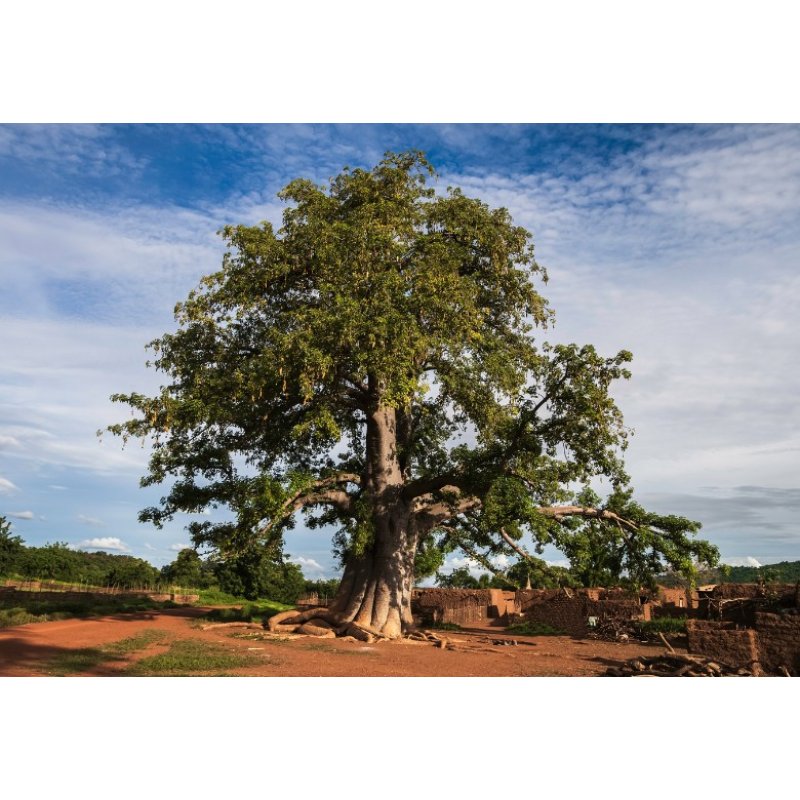
The baobab tree is one of the most characteristic trees of the African landscape. It is considered a tree of life, wisdom and strength, and is associated with many myths and legends.
 Wide range of quality products
Seeds, essential oils, growing supplies and exotic plants in one place
 Eco-friendly range
We prefer natural and gentle products
 Expert advice
We help you grow – guides, blog and personal support
 Delivery across the EU
PPL, DPD, GLS and local carriers – pickup point or home delivery
The Baobab tree is a large, resilient tree native to Africa. It belongs to the Malvaceae family and is one of the most characteristic trees of the African landscape. It is adapted to life in dry and arid regions, where it is able to store large amounts of water in its trunk, which helps it survive long periods of drought. It is a long-lived tree that can live for thousands of years. In African culture, the baobab has deep symbolic and cultural significance. It is considered a tree of life, wisdom and strength and is associated with many myths and legends. Local people use various parts of the tree for food and making various items. The Baobab tree is also a popular attraction for tourists who admire its unusual appearance and its significance to the African landscape and culture.
 (3).png)
The Baobab tree is a unique and impressive tree that stands out with its stunning appearance. The most striking feature of the Baobab is its massive, thick trunk, which can reach a circumference of up to 30 meters. The trunk has a cylindrical shape and appears as if inflated, giving it a characteristic "bottle-shaped" appearance. Due to this unusual shape, baobabs are often nicknamed the "upside-down tree" or "tree of life". The leaves are green and typically have 5 to 7 lobes. During the dry season, the baobab's leaves fall off. The Baobab tree produces large white flowers that open at night. The flowers are striking and sweet-scented, which attracts night moths and bats that pollinate them. After flowering, oval woody fruits are formed, containing seeds coated with fibrous white powder. These fruits are rich in nutrients, vitamins and antioxidants. Overall, the baobab is an impressive tree with an unusual appearance that captures the attention and admiration of many people around the world. In African countries, it is considered a symbol of resilience and vitality and is a key component of ecosystems in these regions.
.png)
1. Seed preparation: the baobab seed shell is hard and resistant. Before sowing seeds, the shell needs to be weakened to promote germination. You can use a knife or file and make a small cut on each seed or by abrading the seed with sandpaper.
2. Seed stratification: seeds should be stratified only after their shell has been weakened. This is a process of exposing seeds to cold temperatures, which promotes their germination. You can soak the seeds in water overnight and then place them in moist substrate (such as sand or moss) in an airtight container. Place the container in a cool place, such as a refrigerator, and let the seeds stratify for 4 to 12 weeks.
3. Substrate preparation: baobabs prefer well-draining, sandy soil. You can prepare a mixture of garden soil, perlite and sand in equal proportions. Make sure the substrate has good drainage.
4. Sowing seeds: fill growing containers with the prepared substrate and sow seeds about 2 cm deep. Cover the seeds with a thin layer of sand and water lightly.
5. Temperature and lighting: baobab seed germination requires a warm environment. Maintain a temperature around 25-30°C. Place growing containers in a sunny spot where the seeds will have plenty of light.
6. Watering: keep the substrate moist but not waterlogged. Water regularly to prevent the substrate from drying out, but avoid overwatering, which can lead to root rot.
7. Seedling care: after seed germination, small seedlings will appear. Keep the substrate slightly moist and gradually increase the amount of sunlight so that the seedlings develop well. After a few weeks, you can transplant the plants into larger pots or into outdoor soil.
Data sheet
Your review appreciation cannot be sent
Report comment
Report sent
Your report cannot be sent
Write your review
Review sent
Your review cannot be sent
The baobab tree is one of the most characteristic trees of the African landscape. It is considered a tree of life, wisdom and strength, and is associated with many myths and legends.
check_circle
check_circle