 Essential oils
 Aroma lamps
 Aroma Diffusers
 Vegetables
 Herbs and spices
 Ornamental Plant Seeds
 Grass mixtures
 Sprouts and microgreens
 Exotic Fruit and Vegetables
 Exotic herbs
 Exotic trees and shrubs
 Ornamental exotic plants
 Espresso coffee
 Ecological coffee preparation
 Thermal mugs and coffee cups
 Aeropress
 Thermos flasks and thermal mugs for coffee and tea
 Moka pot
 Filter coffee
 Coffee blends
 Water filtration
 Coffee grinders
 Cleaning the Coffee Maker
 Ecological Cleaning of Coffee Machines
 Coffee makers
 Coffee Preparation
 Coffee Accessories
 For wildlife and pets
 Chocolate and others
 Hemp food products
 Hemp cosmetics
 Bongs - water pipes
 Blunts and tubes
 E-liquids with Terpenes and CBD
 Grinders and Mills
 Papers and filters
 Smoking accessories
 Vaporizers
 Air fresheners
 CBD sprays
 CBD and CBN crystals
 CBD body and facial care
 Weeds
 CBD suppositories and capsules
 CBD oils and drops
 CBG oils and drops
 Fashion and Decoration
 Kitchen essentials and cooking
 Christmas Decorations and Accessories
 Gift Sets
 Bird feeders
 Seasonal and Special Tools
- Sale -10 %

 Our products
 Aromatherapy - essential oils
 Seeds
 Growing supplies
 Cultivation and Gardening Supplies
 Hydroponics and indoor growing
 Protective equipment and gardening tools
 Exotic plants
 Roasted coffee
 Accessories for coffee makers
 Food products
 Natural cosmetics
 Smoking supplies
 CBD and CBG products
 House and garden


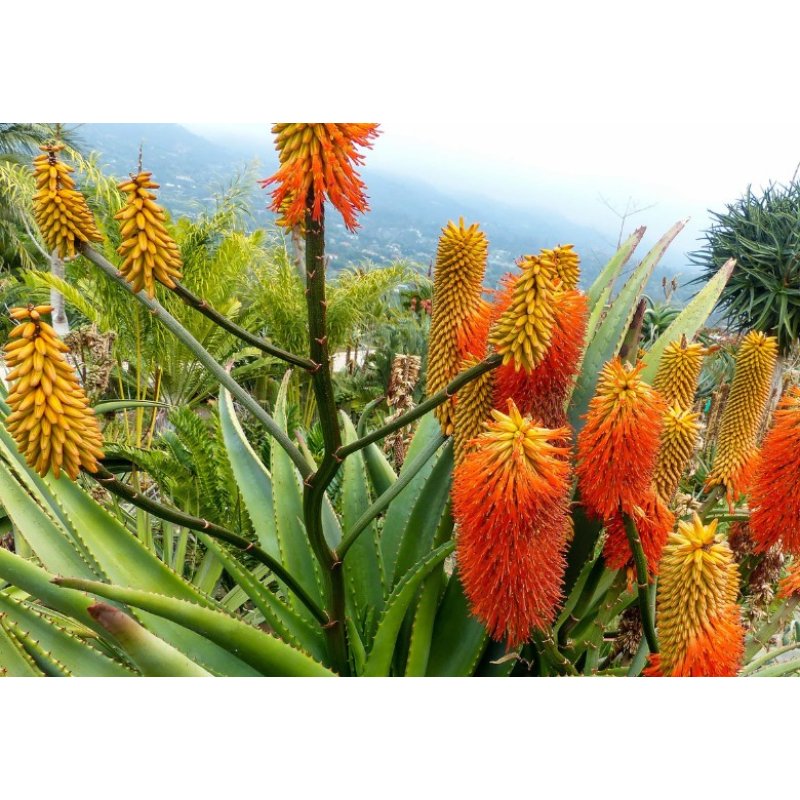
Aloe rupestris features matte green leaves that stand out especially when grown in containers. The package contains 6 seeds.
 Wide range of quality products
Seeds, essential oils, growing supplies and exotic plants in one place
 Eco-friendly range
We prefer natural and gentle products
 Expert advice
We help you grow – guides, blog and personal support
 Delivery across the EU
PPL, DPD, GLS and local carriers – pickup point or home delivery
Aloes are drought-tolerant to succulent fleshy plants with thick, often variously thorny-toothed leaves on the edges. The leaves of some species contain secretory cells producing juice. They form a basal rosette of leaves, which may grow on a stem in older plants.
Native to South Africa, Mozambique and Eswatini. It grows on sun-exposed slopes in sandy soil. This plant is very rare, as it is considered the fastest-growing aloe ever. In its homeland, it reaches heights of up to 8 m. In our conditions, it only grows to 3 m.
The leaves are dark green, thorny, arranged in a compact rosette. It flowers on stems up to 1.5 m tall, which may be more than one in number. The flower is a cylindrical raceme.
Requires light, well-draining soil and plenty of light. Low temperatures and too much water are harmful. Aloe thrives best on a windowsill or other well-lit location. The ideal temperature for cultivation is around 25°C. In winter, keep it in a cooler place (temperature 15 - 18°C). It tolerates dry air. The plant must be repotted every two to three years.
Sow seeds in a substrate consisting of a 50:50 ratio of peat and sand. Gently press the seeds onto the surface of the seed tray. Water from below. Maintain a constant temperature of 21°C. Sowing is done in spring.
Requires well-draining, gravelly substrate that should dry out well. Usually a mixture of compost, leaf soil and sand in a 1:1:1 ratio is used.
It is advisable to fertilize the plants once every 14 days with special mineral fertilizers, preferably phosphorus-based ones.
Does not suffer from diseases and pests. However, especially in winter months, if the substrate is not well-dried, root rot and death of the entire plant may occur. Water moderately, minimally in winter months.
Photo Sources:
By JMK - Own work, CC BY-SA 3.0, https://commons.wikimedia.org/w/index.php?curid=20685599
By JMK - Own work, CC BY-SA 3.0, https://commons.wikimedia.org/w/index.php?curid=20686063
Data sheet
Your review appreciation cannot be sent
Report comment
Report sent
Your report cannot be sent
Write your review
Review sent
Your review cannot be sent
Aloe rupestris features matte green leaves that stand out especially when grown in containers. The package contains 6 seeds.
check_circle
check_circle