
 Our products
 Aromatherapy - essential oils
 Essential oils
 Aroma lamps
 Aroma Diffusers
 Seeds
 Vegetables
 Herbs and spices
 Ornamental Plant Seeds
 Grass mixtures
 Sprouts and microgreens
 Growing supplies
 Cultivation and Gardening Supplies
 Hydroponics and indoor growing
 Protective equipment and gardening tools
 Exotic plants
 Exotic Fruit and Vegetables
 Exotic herbs
 Exotic trees and shrubs
 Ornamental exotic plants
 Roasted coffee
 Espresso coffee
 Ecological coffee preparation
 Thermal mugs and coffee cups
 Aeropress
 Thermos flasks and thermal mugs for coffee and tea
 Moka pot
 Filter coffee
 Coffee blends
 Accessories for coffee makers
 Water filtration
 Coffee grinders
 Cleaning the Coffee Maker
 Ecological Cleaning of Coffee Machines
 Coffee makers
 Coffee Preparation
 Coffee Accessories
 Food products
 For wildlife and pets
 Chocolate and others
 Hemp food products
 Natural cosmetics
 Hemp cosmetics
 Smoking supplies
 Bongs - water pipes
 Blunts and tubes
 E-liquids with Terpenes and CBD
 Grinders and Mills
 Papers and filters
 Smoking accessories
 Vaporizers
 Air fresheners
 CBD and CBG products
 CBD sprays
 CBD and CBN crystals
 CBD body and facial care
 Weeds
 CBD suppositories and capsules
 CBD oils and drops
 CBG oils and drops
 House and garden
 Fashion and Decoration
 Kitchen essentials and cooking
 Christmas Decorations and Accessories
 Gift Sets
 Bird feeders
 Seasonal and Special Tools
In short: For 2026, chlorpyrifos, mancozeb and diquat are gone from the EU market and neonicotinoids stay banned outdoors (since 2018). Glyphosate remains approved until 2033 under stricter conditions, copper is capped at 28 kg/ha over seven years. Permitted options include pyrethrin, Bacillus thuringiensis, ferric phosphate, sulphur, potassium soap and azadirachtin.
| Glyphosate approval | Extended until 2033, under stricter conditions of use |
|---|---|
| Neonicotinoids outdoors | Imidacloprid, clothianidin, thiamethoxam banned in the EU since 2018 |
| Copper limit | 28 kg/ha over 7 years (average 4 kg/ha/year) |
| Re-evaluation cycle | Every 7 to 15 years, depending on substance category |
| Insect net mesh | 0.8 mm blocks flea beetles, aphids and egg-laying butterflies |
| Fines for banned preparations | Up to 30,000 CZK for individuals, up to 500,000 CZK for businesses |
Pesticides in EU 2026 – what is allowed and what is not
The European Union continues with systematic re-evaluation of pesticide substances with the aim of protecting human health, pollinators and the environment. The year 2026 brings another wave of changes -- some previously common preparations are permanently disappearing from the market, while opportunities are opening for biological and low-risk alternatives. For gardeners, this practically means checking their supplies of preparations, understanding new regulations and finding effective substitutes for products they have been used to.
In this article we bring an overview of the most important legislative changes, explain the role of the European Food Safety Authority (EFSA) and present biological alternatives in line with current legislation. A complete range of plant protection preparations can be found on Pestik.cz.
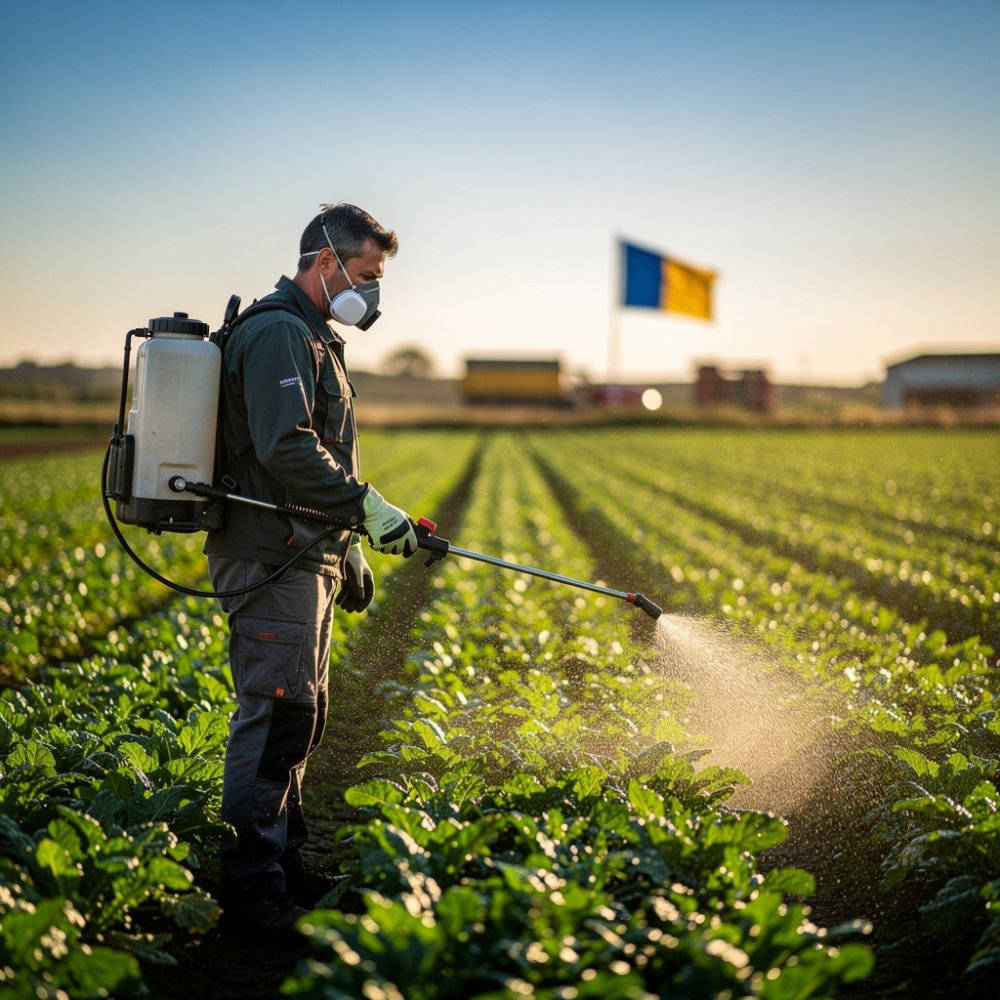
How pesticide approval works in the EU
The pesticide approval system in the EU is among the strictest in the world. Each active ingredient must undergo extensive scientific evaluation before it can be approved for use on the territory of member states.
Two-stage process
1. Approval of active ingredient at EU level:
The European Commission, based on EFSA's scientific evaluation, decides whether an active ingredient is safe for approval. The evaluation includes:
- Toxicological studies (acute and chronic toxicity to humans)
- Ecotoxicological studies (impact on the environment, aquatic organisms, bees, birds)
- Studies of substance behaviour in the environment (degradation, accumulation in soil and water)
- Evaluation of residues in food
2. Authorization of preparation at member state level:
After approval of the active ingredient at EU level, each specific preparation -- that is, a combination of active ingredient with excipients, carriers and wetting agents -- must undergo authorization at the national level. In the Czech Republic, this authorization is provided by the Central Institute for Supervising and Testing in Agriculture (ÚKZÚZ).
Periodic re-evaluation
Approval of an active ingredient is not granted permanently. Every 7 to 15 years, depending on the substance category, a re-evaluation must take place. If new scientific findings reveal risks that were not known at the time of the original evaluation, approval is not renewed and the substance is withdrawn from the market. This mechanism is a key tool by which the EU gradually tightens conditions for chemical plant protection.
EFSA re-evaluations -- key changes for 2026
EFSA continuously re-evaluates active ingredients and issues scientific opinions, on the basis of which the European Commission decides whether to extend or withdraw approval.
Substances with ended or restricted approval
Glyphosate:
The world's most widely used herbicide has undergone controversial re-evaluation in recent years. The EU extended its approval until 2033, but under stricter conditions of use. A number of member states, including the Czech Republic, restrict its application in the vicinity of homes, schools and hospitals. For hobby gardeners, the possibilities for glyphosate use are constantly narrowing and a trend of further restrictions can be expected.
Neonicotinoids:
Three main representatives of this group -- imidacloprid, clothianidin and thiamethoxam -- have been banned for outdoor use in the EU since 2018 due to proven threat to pollinators. This ban remains fully in force. Exceptions for use in greenhouses are subject to strict conditions and are continuously reviewed.
Mancozeb:
This widely used fungicide served mainly to protect vegetables and grapevines against moulds. EFSA identified health risks associated with endocrine disruption and approval was not extended. Mancozeb-containing preparations are gradually disappearing from the market -- the transition period for their sale and use is ending.
Chlorpyrifos and chlorpyrifos-methyl:
These insecticides were withdrawn from the EU market due to proven neurotoxic effects, particularly on the developing nervous system of children. In 2026, no preparations containing these substances should be available on the legal market.
Diquat:
A contact herbicide and desiccant used for pre-harvest drying of crops. EFSA did not recommend renewal of approval due to risks to the aquatic environment and excessive operator exposure during application.
Substances under increased scrutiny
Copper preparations:
Copper is a basic fungicide allowed in organic farming, but its accumulation in soil after repeated applications is causing increasing concerns. The EU has therefore set a limit of 28 kg copper per hectare over seven years, which corresponds to an average of 4 kg/ha/year. For gardeners with smaller areas, this restriction is typically not critical, however the trend is towards further reduction of allowed doses.
Pyrethroids:
Synthetic insecticides mimicking natural pyrethrin are still available, but EFSA is re-evaluating several representatives of this group -- particularly lambda-cyhalothrin and deltamethrin -- due to their impact on aquatic organisms and pollinators in case of incorrect application.
Metaldehyde:
Metaldehyde was for many years the standard remedy against slugs. In some EU countries (for example in Great Britain) it is already banned, elsewhere it is undergoing re-evaluation. For gardeners there is a safe and legislatively stable alternative -- molluscicide based on ferric phosphate.
Newly approved and promising substances
Low-risk substances:
The EU actively supports approval of substances with a favourable safety and ecotoxicological profile. Promising groups include:
- Biological preparations based on the Bacillus thuringiensis (Bt) bacterium
- Pheromones for flight activity monitoring and pest mating disruption
- Plant extracts (pyrethrin, azadirachtin from neem seeds)
- Microbial preparations (Trichoderma fungi, Beauveria bassiana)
Accelerated approval process:
For low-risk and biological preparations, the EU has introduced a simplified and faster approval procedure. The aim is to accelerate their availability on the market and expand the range of tools for sustainable plant protection.
What is banned and what is allowed -- practical overview
Preparations that a gardener will not find in 2026
| Active ingredient | Type | Reason for ban |
|---|---|---|
| Chlorpyrifos | Insecticide | Neurotoxicity |
| Mancozeb | Fungicide | Endocrine disruption |
| Diquat | Herbicide | Risk to aquatic environment |
| Imidacloprid (outdoor) | Insecticide | Threat to pollinators |
| Clothianidin (outdoor) | Insecticide | Threat to pollinators |
| Thiamethoxam (outdoor) | Insecticide | Threat to pollinators |
Preparations available for hobby gardeners
| Active ingredient | Type | Use |
|---|---|---|
| Pyrethrin (natural) | Insecticide | Aphids, whiteflies, thrips |
| Bacillus thuringiensis | Bioinsecticide | Caterpillars, dipteran larvae |
| Ferric phosphate | Molluscicide | Slugs and snails |
| Sulphur | Fungicide | Powdery mildew, mite infestations |
| Copper (within permitted limits) | Fungicide | Moulds, bacterial diseases |
| Potassium soap | Insecticide | Aphids, whiteflies, mites |
| Azadirachtin (neem) | Insecticide | Broad spectrum pests |
| Spinosad | Insecticide | Pests of leafy vegetables, thrips |
| Trichoderma | Biofungicide | Fungal diseases of soil and roots |
Biological alternatives -- the future of plant protection
With a declining number of available synthetic preparations, the practical and legislative importance of biological and integrated protection is growing. For gardeners, this is also an opportunity to transition to a more sustainable approach that, when properly timed and combined, achieves results comparable to chemical treatment.
Biological protection using living organisms
Predatory insects and mites:
- Seven-spotted ladybird: an adult consumes dozens of aphids per day, larvae even more
- Green lacewing: larvae actively hunt aphids, whiteflies, thrips and eggs of various pests
- Predatory mite Phytoseiulus persimilis: specialist on spider mites, very effective in greenhouses
- Encarsia formosa: parasitic wasp specifically targeting greenhouse whiteflies
Entomopathogenic fungi:
- Beauveria bassiana: penetrates insect cuticle and kills a whole range of pests including whiteflies and thrips
- Metarhizium anisopliae: effective mainly against soil larvae and beetles
- Lecanicillium muscarium: specifically targeted at aphids and whiteflies in greenhouse conditions
Entomopathogenic nematodes:
- Steinernema feltiae: very effective against larvae of fungus gnats, cabbage root flies and other substrate pests
- Heterorhabditis bacteriophora: suitable against larvae of May beetles, wireworms and other soil pests
When using living organisms, it is crucial to observe storage and application conditions -- nematodes and entomopathogenic fungi are sensitive to temperature, humidity and direct sunlight.
Plant extracts and natural preparations
Neem (azadirachtin):
An extract from the seeds of the tropical tree Azadirachta indica is one of the most universal natural insecticides. Azadirachtin acts as a strong repellent, feeding inhibitor and development regulator of insects -- it prevents larvae from transitioning to the next developmental stage. It works on more than 200 pest species and at the same time is safe for most beneficial insects if applied in the evening. On Pestik.cz you will find neem-based preparations.
Pyrethrin:
A natural insecticide obtained from dried flowers of chrysanthemum (Chrysanthemum cinerariifolium). It acts quickly by contact and paralyzes the nervous system of insects, but decomposes rapidly in light -- typically within 24 hours. Because of this it does not leave residues on food, but application must be timed in the late evening and targeted directly at the pest.
Potassium soap:
One of the oldest and toxicologically safest insecticides. It disrupts the waxy cuticle on the body of soft-bodied pests -- aphids, whiteflies and mites -- and causes their dehydration. It is non-toxic to mammals, rapidly biodegrades and requires no waiting period. Suitable for regular preventative spraying.
Plant infusions and macerates:
Preparing homemade infusions is inexpensive, ecological and, with consistent use, surprisingly effective:
- Nettle infusion: strengthens natural defence mechanisms of plants and repels aphids
- Horsetail infusion: preventative fungicidal effect due to high soluble silicon content, suitable against moulds
- Garlic extract: strong repellent deterring aphids, caterpillars and some fungi
- Wormwood infusion: effective especially against aphids, caterpillars and sawflies
Physical methods
Sticky traps:
Yellow sticky traps attract and trap flying pests -- whiteflies, winged aphids and fungus gnats. Blue traps are demonstrably more effective on thrips. Besides direct capture, traps serve as a valuable monitoring tool for early detection of pest presence.
Protective nets and non-woven textiles:
Fine insect nets with 0.8 mm mesh physically prevent access of flea beetles, aphids, butterflies laying eggs and other troublesome insects. Non-woven textiles also contribute to a microclimate favourable for plants.
Mulching:
Organic mulch maintains soil moisture, suppresses weeds and improves soil structure. Silver reflective film or mulching film also reflects ultraviolet light, which disorierts aphids and thrips looking for hosts.
Integrated pest management (IPM)
Integrated Pest Management (IPM) is a mandatory approach to crop protection within the EU. It combines preventative, biological, physical and chemical methods with the aim of minimizing the overall impact on the garden ecosystem.
IPM principles
- Prevention: crop rotation, choice of resistant varieties, correct agronomy and plant nutrition
- Monitoring: regular plant inspection, identification of pests and diseases at the earliest stage
- Threshold values: chemical or biological intervention only when the damage threshold is exceeded, not across the board
- Non-chemical methods as first choice: biological protection, physical barriers, mechanical pest removal
- Chemical preparations as a last resort: if non-chemical methods are insufficient, always choose a low-risk preparation with the narrowest spectrum of action
- Feedback and evaluation: monitor the results of each intervention and continuously adjust your strategy
IPM in practice in the garden
- Before the season: plan crop rotation, select resistant varieties from the range of seeds and seedlings, prepare the soil with compost and secure a supply of biological preparations
- During vegetation: carry out regular visual checks, set up monitoring sticky traps and identify problems before they spread
- At first pest appearance: start with mechanical removal (hand-picking, water spray), then consider biological preparations or predatory insects
- Chemistry as a backup tool: resort to it only when other methods have demonstrably failed, and choose preparations with the lowest risk profile for non-target organisms
Legislative context in the Czech Republic
Plant Health Care Act
The use of pesticides in the Czech Republic is regulated by Act No. 326/2004 Coll. on plant health care as amended by later regulations. For gardeners, the most important rules are:
- Obligation to use only registered preparations: each preparation must have valid ÚKZÚZ registration; the list is freely available online
- Compliance with the label: you may use a preparation only in the manner, dosage and on crops specified in the instructions for use
- Protective distances: mandatory protective distances specified on the label apply from watercourses, homes and public spaces
- Protection of pollinators: preparations marked as dangerous to bees must not be applied during flowering or when bees are present on the treated area
Hobby preparations
Preparations intended for non-professional gardeners are marked as "for non-professional use". Compared to professional preparations they are characterized by:
- Lower concentration of active ingredients
- Smaller packages suitable for home gardens
- Simplified label and understandable instructions
- Do not require professional education or certificate of competence
Nevertheless, the rule applies without exception: even hobby preparations must be applied strictly according to instructions. Exceeding the recommended dosage will not lead to better results -- on the contrary, there is a risk of plant damage, soil contamination, groundwater pollution and loss of beneficial insects.
Practical tips for the 2026 season
Inventory of existing preparations
Start by inspecting your supplies:
- Dispose of preparations with expired registration or use-by date
- Verify the validity of the registration of each preparation in the ÚKZÚZ online database
- Safely dispose of unnecessary or banned preparations through a waste collection point -- never pour them into waste or sewers
Prepare a protection plan for each crop
A pre-prepared strategy will save you time and money and reduce overall use of preparations:
1. Preventative measures: selection of resistant varieties, correct planting distance, balanced nutrition
2. Biological preparations and natural enemies for predictable pests
3. Backup low-risk chemical preparation for crisis situations
Invest in prevention
Preventative measures pay off both economically and ecologically:
- Quality seeds of resistant varieties with lower susceptibility to diseases and pests
- Insect nets and protective non-woven textiles as a physical barrier
- Regular addition of compost for healthy, biologically active soil
- Supporting natural pest enemies: planting nectar-producing species, installing bug hotels and leaving natural refuges
A complete range of plant protection preparations in line with current legislation can be found on Pestik.cz.
Frequently asked questions
Can I use pesticides from other EU countries purchased online?
No. Pesticide preparations must be registered in the country where they are actually used. A preparation with valid registration in Germany cannot be legally used in the Czech Republic without further approval, even if it contains the same active ingredient in the same concentration. Always buy preparations with valid Czech ÚKZÚZ registration.
Are biological preparations as effective as chemical ones?
Biological preparations typically do not work as quickly and visibly as synthetic insecticides or fungicides, but with proper timing, adequate dosage and suitable conditions, they achieve comparable results. The key to success is preventative or early application at the first signs of infestation and combination of several methods within integrated protection.
What are the consequences of using a banned preparation?
Using an unregistered preparation or application contrary to the label is an offense under the plant health care act. Individuals face a fine of up to 30,000 CZK, entrepreneurs up to 500,000 CZK. In addition to financial penalties, you risk soil and groundwater contamination, environmental damage and potential endangerment of neighbours' health and consumers of your harvest.
How to safely dispose of old pesticides?
Never pour pesticides into sewers, waste or onto the ground -- this is hazardous waste. Hand old and unwanted preparations to a waste collection point in the original, well-sealed container. Most municipalities accept chemical preparations as part of hazardous waste collection; dates are usually published on the municipality website. Empty containers after triple rinsing should be placed in a plastic recycling bin or taken to a collection point.