
 Our products
 Aromatherapy - essential oils
 Essential oils
 Aroma lamps
 Aroma Diffusers
 Seeds
 Vegetables
 Herbs and spices
 Ornamental Plant Seeds
 Grass mixtures
 Sprouts and microgreens
 Growing supplies
 Cultivation and Gardening Supplies
 Hydroponics and indoor growing
 Protective equipment and gardening tools
 Exotic plants
 Exotic Fruit and Vegetables
 Exotic herbs
 Exotic trees and shrubs
 Ornamental exotic plants
 Roasted coffee
 Espresso coffee
 Ecological coffee preparation
 Thermal mugs and coffee cups
 Aeropress
 Thermos flasks and thermal mugs for coffee and tea
 Moka pot
 Filter coffee
 Coffee blends
 Accessories for coffee makers
 Water filtration
 Coffee grinders
 Cleaning the Coffee Maker
 Ecological Cleaning of Coffee Machines
 Coffee makers
 Coffee Preparation
 Coffee Accessories
 Food products
 For wildlife and pets
 Chocolate and others
 Hemp food products
 Natural cosmetics
 Hemp cosmetics
 Smoking supplies
 Bongs - water pipes
 Blunts and tubes
 E-liquids with Terpenes and CBD
 Grinders and Mills
 Papers and filters
 Smoking accessories
 Vaporizers
 Air fresheners
 CBD and CBG products
 CBD sprays
 CBD and CBN crystals
 CBD body and facial care
 Weeds
 CBD suppositories and capsules
 CBD oils and drops
 CBG oils and drops
 House and garden
 Fashion and Decoration
 Kitchen essentials and cooking
 Christmas Decorations and Accessories
 Gift Sets
 Bird feeders
 Seasonal and Special Tools
Fashion and Decor for Growers
Gardening has long ceased to be merely a practical matter. Today it is a lifestyle, a form of self-expression, and a distinctive design language of the home. Modern growers consciously combine functionality with aesthetics -- they choose planters that correspond with their interior, dress with consideration for the environment in which they work, and transform gardens and living rooms into spaces where beauty meets utility.
In this article, we will focus on current trends in grower fashion and decor, show how to turn a planter into a full-fledged design element, and advise on how to design a garden or indoor space that is not only productive but also visually convincing. Find inspiration in the modern growing category on Pestik.cz.
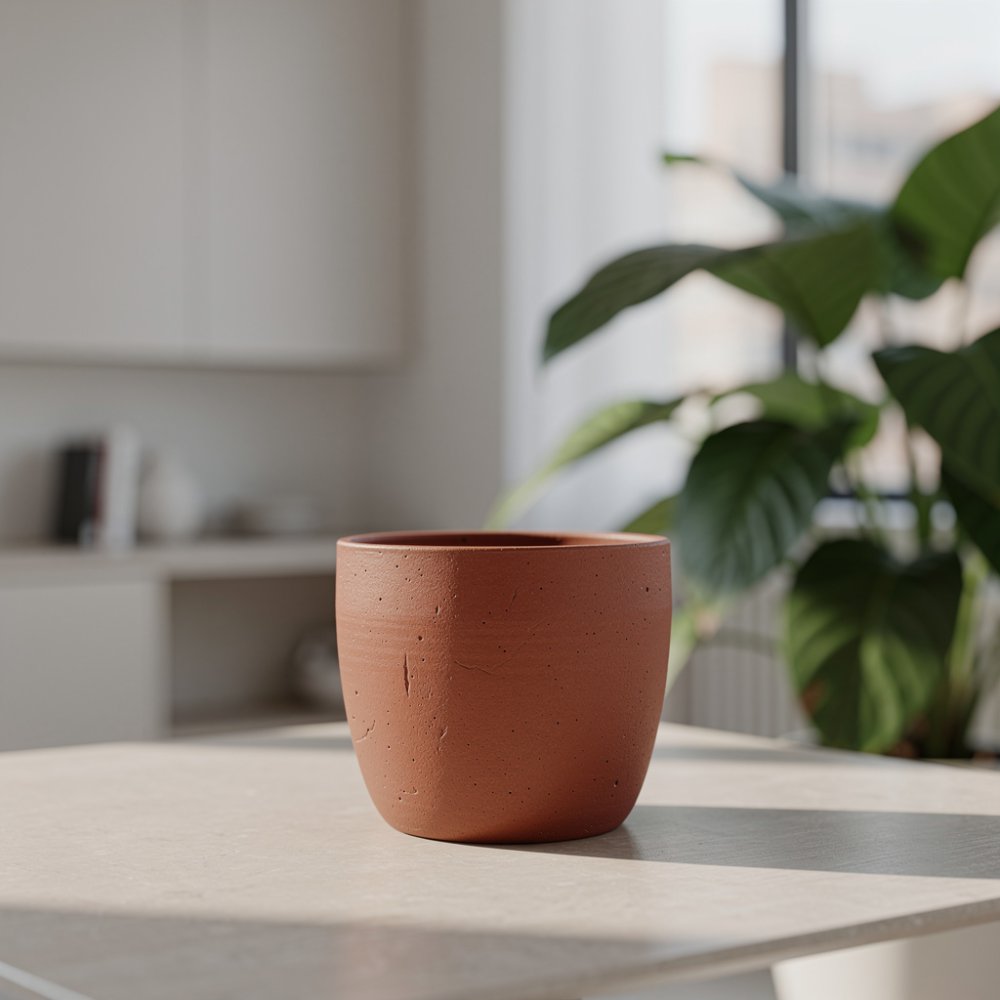
Planters as a Design Element
The planter has long ceased to be a mere substrate container. It is an object with its own character that co-creates the atmosphere of interior and exterior spaces -- and as such deserves the same attention as any other design element.
Materials and Their Aesthetic Effect
Ceramics and stoneware:
Hand-crafted ceramic planters with irregular glazing bring authenticity and craft value to a space that industrial production cannot replicate. Matte surfaces in earthy tones -- terracotta, sand tones, olive -- are stylishly timeless and combine easily. Glossy glazes in saturated colors, on the other hand, work as bold accents that bring a room to life.
Concrete and terrazzo:
Concrete planters are an icon of industrial interiors. The raw, unfinished surface creates an effective contrast with the living greenery of leaves. Terrazzo -- a composite of cement and colored stone fragments -- offers a more playful variant with comparable durability and longer lifespan than standard ceramics.
Metal:
Brass, copper, and matte black metal containers add elegance and expression to a space. Deliberately patinated metal evokes a vintage atmosphere, polished surfaces look luxurious and modern. A practical note: metal planters typically lack drainage holes, so it is advisable to use them as decorative covers with a water-draining insert.
Natural materials:
Wicker, bamboo, and rattan wraps bring organic texture and warmth to an interior. They are ideal for boho and Scandinavian styles. Combined with macramé hangings, they create a consistent natural atmosphere throughout the space.
Trends in Plant Arrangement
Plant wall:
Vertical gardens are among the strongest trends of recent years -- and their popularity is not declining. Modular hanging systems allow you to create a living wall even in a small apartment without construction work. In addition to the aesthetic effect, plant walls demonstrably improve air quality and absorb noise.
Group arrangements:
Instead of scattered isolated planters, try grouping three to five plants of different heights and leaf textures in one place. This creates a green island with significantly stronger visual impact -- and the plants in such a group also maintain better air humidity.
Hanging plants:
Plants hung from the ceiling or placed on wall shelves save floor space and add vertical dimension to a room. Climbing and trailing species -- pothos, philodendron, senecio rowleyanus -- create a natural green drape that adds depth to the room.
Garden Fashion and Clothing
Functional gardening clothing doesn't have to look like second-hand work wear. Contemporary brands focused on gardeners and growers offer pieces that are comfortable to wear while working, resistant to dirt and stains, and aesthetically convincing.
What Every Grower Should Have
Apron:
A good gardening apron made from waxed cotton or heavy denim protects clothing from soil, sprays, and sharp edges of tools. Pockets for tools, seeds, and a phone are a given. Leather details and brass buckles give the apron a craft character that lasts for years.
Gloves:
Modern garden gloves balance protection and sensitivity. Leather models with textile wristband allow precise work with delicate seedlings, while longer gloves with reinforced cuff protect the forearm when pruning thorny bushes or working with sharper tools.
Footwear:
Rubber boots have undergone a significant design transformation over the past decade. Today they are available in dozens of colors and patterns -- from classic monochrome versions to striking floral motifs. For lighter gardening work in dry weather, garden clogs made of flexible material with slip-resistant soles will serve you well.
Head covering:
A straw hat with a wide brim is as functional as it is photogenic. For intensive work in direct sunlight, choose models with certified UPF 50+ protection. In transitional seasons, a cap or headband made of merino wool works well -- natural material regulates temperature better than synthetics.
Colors and Patterns
Garden fashion currently relies on earthy, natural tones: olive, khaki, terracotta, and dark navy blue. These shades harmonize with the natural environment and are less attractive to insects than bright or light colors. Floral patterns are making a comeback, but in a more subtle and understated form than in previous seasons.
Garden Decor
Garden decorations are more than ornaments -- they reflect the owner's personality and define the overall character of the space.
Functional Decor
The best garden accessories combine aesthetics with practical use:
- Bird feeders and drinking fountains: design models function as garden sculptures and at the same time attract beneficial insects and birds
- Solar lights: elegant illumination of paths and garden beds without the need for electrical connection
- Obelisks and trellis supports: metal structures for climbing plants as an architectural element with functional overlap
- Raised beds made from corten: self-patinating steel creates a distinctive rusty surface that stabilizes over time and withstands decades of use
Materials and Styles
Minimalist garden:
Clean lines, limited material palette -- concrete, stainless steel, gravel -- and geometric shapes. Each element must stand on its own, as this aesthetic does not forgive randomness.
Cottage garden:
A romantic style where forged elements, an old watering can as a seasonal planter, or brick pathways lined with perennials come into play. The apparent randomness of lush planting is actually the result of careful composition.
Japanese garden:
Stones, water, carefully shaped shrubs, and reed fences. Each element carries symbolic meaning. The principle is tranquility, harmony, and conscious alignment with nature's natural rhythms.
Explore the modern growing selection on Pestik.cz and find inspiration for your specific style and space.
Plants as Interior Design Accessories
Live plants are the most accessible and at the same time most effective tool for transforming any space -- without renovation, without major investment.
Plants for Every Interior Style
- Scandinavian style: monstera, fiddle leaf fig, pilea -- large structured leaves, clean organic shapes
- Boho style: macramé hangings, mixed textures, terracotta and wicker wraps, dense and varied planting
- Industrial style: cacti and succulents in concrete or metal containers, economical composition
- Art deco: striking, solitary plants like strelitzia or dracaena in brass or gilded containers
How to Arrange a Photogenic Plant Corner
To create a visually convincing plant nook, proceed systematically:
- Choose a wall or corner with sufficient natural light -- without light, plants suffer regardless of arrangement aesthetics
- Layer heights: from floor-standing trees through plants on chairs and shelves to hanging varieties
- Coordinate planters in one material, but work with different sizes for a natural rhythm
- Add textile texture -- a rug, pillows, or wooden tray will anchor the entire composition
- Keep the background simple -- a monochromatic, ideally light-colored wall lets plants shine
Frequently Asked Questions
How do I coordinate planters with my interior?
Choose one dominant material or color tone and stick with it throughout the room. At most two contrasting materials -- such as ceramics combined with wicker -- keep the space readable. Planters should correspond with other decorative elements such as frames, candle holders, or textiles. When in doubt, opt for neutral tones -- white, matte black, or terracotta.
Is it worth investing in more expensive planters?
A quality ceramic or concrete planter will withstand decades of use and retains its aesthetic value throughout. Cheap plastic containers quickly fade and become brittle with age. A practical compromise is to place a growing plastic planter inside a decorative cover -- you repot the plant according to its needs, not the aesthetics of the container, and you can easily change the decor.
How do I create a cohesive garden style?
Start by defining one main style and primary material. Limit your color palette to two to three colors that will be repeated in containers, furniture, and accessories. Overall consistency is more important than the excellence of an individual element -- even simple pieces look professional if they maintain a common thread.