
 Our products
 Aromatherapy - essential oils
 Essential oils
 Aroma lamps
 Aroma Diffusers
 Seeds
 Vegetables
 Herbs and spices
 Ornamental Plant Seeds
 Grass mixtures
 Sprouts and microgreens
 Growing supplies
 Cultivation and Gardening Supplies
 Hydroponics and indoor growing
 Protective equipment and gardening tools
 Exotic plants
 Exotic Fruit and Vegetables
 Exotic herbs
 Exotic trees and shrubs
 Ornamental exotic plants
 Roasted coffee
 Espresso coffee
 Ecological coffee preparation
 Thermal mugs and coffee cups
 Aeropress
 Thermos flasks and thermal mugs for coffee and tea
 Moka pot
 Filter coffee
 Coffee blends
 Accessories for coffee makers
 Water filtration
 Coffee grinders
 Cleaning the Coffee Maker
 Ecological Cleaning of Coffee Machines
 Coffee makers
 Coffee Preparation
 Coffee Accessories
 Food products
 For wildlife and pets
 Chocolate and others
 Hemp food products
 Natural cosmetics
 Hemp cosmetics
 Smoking supplies
 Bongs - water pipes
 Blunts and tubes
 E-liquids with Terpenes and CBD
 Grinders and Mills
 Papers and filters
 Smoking accessories
 Vaporizers
 Air fresheners
 CBD and CBG products
 CBD sprays
 CBD and CBN crystals
 CBD body and facial care
 Weeds
 CBD suppositories and capsules
 CBD oils and drops
 CBG oils and drops
 House and garden
 Fashion and Decoration
 Kitchen essentials and cooking
 Christmas Decorations and Accessories
 Gift Sets
 Bird feeders
 Seasonal and Special Tools
Mushrooms in the Garden and at Home – Oyster, Shiitake, Button Mushrooms
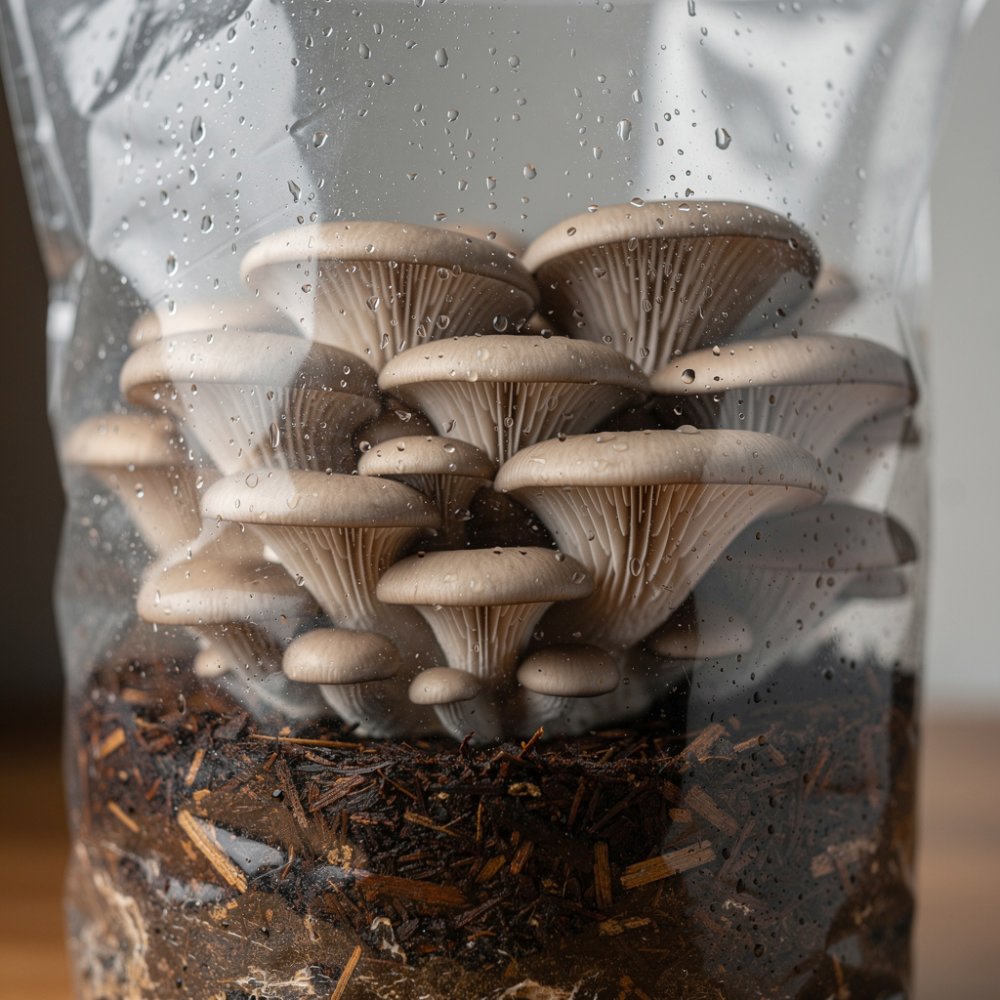
Mushroom cultivation is experiencing a true renaissance. While our ancestors foraged for mushrooms in the forest, today's gardeners and urban growers successfully cultivate oyster mushrooms, shiitake, or button mushrooms on balconies, in kitchens, or in basements. You don't need a garden bed, topsoil, or sunlight – mushrooms are organisms fundamentally different from plants, and their requirements are surprisingly easy to meet. All you need is the right substrate, adequate moisture, suitable temperature, and a bit of patience. From inoculation to first harvest, oyster mushrooms take just 10–14 days, shiitake on sawdust blocks 2–3 months, and button mushrooms 4–6 weeks. This guide will walk you through the entire process – from choosing a species through substrate preparation to solving the most common contamination problems.
What You Need to Know About Mushrooms Before You Start
Mushrooms are not plants. They don't contain chlorophyll, don't need light for photosynthesis, and feed on the decomposition of organic matter. What we see on the surface – the cap and stem – is the fruiting body, the reproductive organ. The true "body" of the mushroom is the mycelium: a dense network of microscopic fibers (hyphae) spreading through the substrate. Understanding this distinction will help you set the right conditions for each growing stage.
Basic Terminology
| Term | Meaning |
|---|---|
| Mycelium | The vegetative body of the mushroom – a network of white fibers spreading through the substrate |
| Spawn (seed culture) | A carrier colonized by mycelium – most commonly grains, dowels, or sawdust |
| Substrate | Nutrient material – straw, sawdust, coffee grounds, compost |
| Inoculation | Inoculating substrate with spawn |
| Colonization | The phase when mycelium actively spreads through the substrate |
| Fruiting | The phase of fruiting body formation – visible mushrooms |
| Flush | One harvest wave; most species produce 2–4 flushes |
| Contamination | Infection of substrate by unwanted molds or bacteria |
Oyster Mushroom (Pleurotus ostreatus)
Oyster mushroom is the ideal mushroom for beginners – it grows quickly, tolerates a wide temperature range, and can colonize almost any lignocellulosic material. In nature, it colonizes dead wood of deciduous trees; at home, we cultivate it on straw, sawdust, coffee grounds, or ready-made substrates from the e-shop.
Substrates for Oyster Mushrooms
| Substrate | Preparation | Advantages | Disadvantages |
|---|---|---|---|
| Wheat/rye straw | Cut into 5–10 cm pieces, pasteurize in hot water (70–80 °C, 60 min) | Cheap, easily available | Requires pasteurization |
| Hardwood sawdust | Soak and sterilize in pressure cooker or microwave | Long shelf life, suitable for shiitake too | Slower colonization |
| Coffee grounds | Fresh (within 24 h), no further treatment needed | Free, already pasteurized from brewing | Small volumes, higher contamination risk |
| Ready-made substrate | None – inoculate directly | Easiest start | Higher price |
Growing Oyster Mushrooms Step by Step
- Pasteurize the substrate: Cut the straw and submerge it in hot water (70–80 °C) for 60 minutes. Let cool to room temperature and squeeze out excess water thoroughly.
- Inoculate: Mix the substrate with spawn at a ratio of 5–10 % by weight. The more seed culture, the faster colonization and lower contamination risk.
- Fill bags: Use PE bags with holes (diameter 5 mm, 4–6 holes per bag) or buckets with drilled drainage holes for excess moisture.
- Colonization (10–21 days): Place in a dark, warm room (20–24 °C). The mycelium gradually spreads through the substrate – the bag should become uniformly white.
- Fruiting: Move to a cooler room (10–18 °C) with indirect light. Maintain high air humidity (80–90 %) – mist with clean water 2–3 times daily. Ventilate regularly to prevent CO2 buildup, which inhibits fruiting body formation.
- Harvest: Pick oyster mushrooms when the cap edges begin to straighten from the curved position – just before spore release (white powder). Pull the entire cluster from the bag in one motion.
- Subsequent flushes: After harvest, let the substrate rest for 7–10 days, then resume misting. The first three flushes are usually the most productive; the entire cycle takes approximately 2–3 months.
Typical Yields
From 10 kg of substrate, under standard conditions, you can expect 2–3 kg of oyster mushrooms across 2–4 flushes. The biological efficiency of oyster mushrooms on straw reaches 75–125 %, with fresh and properly pasteurized substrate typically achieving the higher end of this range.
Shiitake (Lentinula edodes)
Shiitake is the second most cultivated mushroom in the world and a traditional part of Japanese cuisine. Growing requires more patience than oyster mushrooms, but the result is worth it – intense umami flavor, meaty texture, and well-documented health properties (lentinan, beta-glucans with immunomodulatory effects).
Two Growing Methods
A) On Oak or Beech Logs (Outdoor)
The traditional garden method with the most natural flavor. Use freshly cut logs (diameter 10–20 cm, length around 1 m) from deciduous trees – oak, beech, or hornbeam are ideal. The wood must be cut 2–6 weeks before inoculation: natural antifungal substances must disappear, but the wood should not be colonized by competing fungi.
Process:
1. Drill holes (diameter 8 mm, depth 3 cm, spacing approximately 15 cm) in a spiral pattern along the entire log.
2. Hammer plug spawn into the holes and ensure it sits flush with the wood surface.
3. Seal the holes with beeswax – prevents drying of mycelium and contamination entry.
4. Store logs in shade (forest edge, north side of fence, shelter) – direct sun dries the wood and slows colonization.
5. Colonization takes 9–12 months. In dry periods, water logs or soak them to keep them evenly moist.
6. Fruiting occurs naturally in spring and fall after rain. Outside the season, you can trigger fruiting with a "cold shower" – submerge the log for 24 hours in cold water and the temperature shock starts fruiting body formation.
One log produces 3–5 years of harvests, with large pieces lasting even longer.
B) On Sawdust Blocks (Indoor)
A faster method suitable for year-round indoor cultivation – from inoculation to harvest in 2–3 months. The substrate consists of hardwood sawdust (oak, beech) mixed with wheat bran in an 80:20 ratio; substrate moisture should reach 60–65 %. Sterilize in a pressure cooker (121 °C, 90 min) or purchase ready-made substrate.
Key conditions for shiitake:
- Colonization: 20–25 °C, darkness, 60–90 days. Mycelium first turns white, then brown – the so-called browning is a visual signal of block maturity.
- Cold shock: Move the block to the refrigerator (3–5 °C) for 12–24 hours. The temperature shock reliably triggers fruiting body formation.
- Fruiting: 15–18 °C, humidity 80–95 %, indirect light and good air exchange.
- Harvest: Pick just before caps fully open. Cut just above the base of the stem – don't leave remnants on the block surface, as they could become contamination sources.
Comparison of Shiitake Methods
| Parameter | Logs (Outdoor) | Sawdust Blocks (Indoor) |
|---|---|---|
| Investment | Low (spawn + drill) | Medium (sterilization, bags) |
| Time to Harvest | 9–18 months | 2–4 months |
| Lifespan | 3–8 years | 2–4 flushes |
| Maintenance | Minimal | Higher (humidity, temperature) |
| Flavor | More intense, "forest-like" | Good, slightly milder |
| Suitable for | Patient gardeners | Impatient growers, year-round cultivation |
Button Mushrooms (Agaricus bisporus)
Button mushrooms – white and brown portobello – are the world's best-selling mushrooms, but paradoxically the most demanding for home cultivation. They require specific fermented compost and strict hygiene at every stage of the process.
Substrate for Button Mushrooms
Unlike oyster and shiitake mushrooms, which decompose straw and wood, button mushrooms need fermented compost – typically a mixture of horse manure, straw, gypsum, and water that has undergone controlled fermentation lasting 20–25 days at temperatures of 60–70 °C. For home growers, purchasing ready-made button mushroom substrate with spawn is by far the most practical option, allowing you to skip the demanding compost preparation.
Growing Button Mushrooms
- Substrate preparation: Fill boxes or plastic crates with ready-made compost with spawn to a layer depth of 15–20 cm.
- Colonization (10–14 days): Maintain temperature of 22–25 °C in a dark and moist environment. Mycelium gradually spreads through the entire compost layer.
- Casing layer: After colonization, add 3–5 cm of sterilized clay or peat mixture. This layer is absolutely crucial – fruiting bodies won't form without it. The clay must be pre-sterilized (oven at 80 °C for 30 minutes), otherwise there's a risk of massive mold infection.
- Fruiting (14–21 days): Lower temperature to 15–18 °C. Keep the casing layer evenly moist with fine misting – never water with a stream. Ventilate 2–3 times daily.
- Harvest: Button mushrooms are harvest-ready while the veil beneath the cap is closed (white) or slightly open (portobello). Twist them out of the casing layer and lightly cover the hole with substrate after harvest.
- Subsequent flushes: Button mushrooms typically produce 3–5 flushes at 7–10 day intervals.
Ideal Spaces for Button Mushrooms
- Basement: Stable temperature, natural darkness, and higher air humidity – almost ideal conditions.
- Garage or shed: Usable in fall and winter at temperatures of 15–18 °C.
- Balcony: Shaded spot, covered crate, spring or fall.
Tip: Unlike oyster mushrooms, button mushrooms don't need light. They can grow in complete darkness without problems – darkness even helps maintain stable temperature.
Other Interesting Species for Home Cultivation
| Species | Difficulty | Substrate | Fruiting Temperature | Note |
|---|---|---|---|---|
| Velvet Foot | Easy | Sawdust, straw | 10–15 °C | Winter species, tolerates light frosts |
| Lion's Mane (Hericium) | Medium | Hardwood sawdust | 15–20 °C | Exceptional taste and appearance |
| Reishi (Ganoderma) | Medium | Hardwood sawdust | 22–28 °C | Medicinal species, typically dried for tea |
| Maitake | More challenging | Oak, sawdust | 15–20 °C | Gourmet species with distinctive flavor |
All these species are available as spawn or ready-made substrate in the Mushroom section on Pestík.cz.
Substrates and Their Preparation – Overview
Pasteurization vs. Sterilization
| Method | Temperature | Time | Suitable for | Advantages |
|---|---|---|---|---|
| Hot water pasteurization | 70–80 °C | 60 min | Oyster mushrooms, straw | Simple, preserves beneficial microorganisms |
| Cold lime pasteurization | Room temperature | 12–24 h | Oyster mushrooms, straw | No heating, minimal energy use |
| Pressure cooker sterilization | 121 °C | 60–90 min | Shiitake, sawdust blocks | Complete elimination of contaminants |
| Oven sterilization | 80–100 °C | 30–60 min | Button mushroom casing layer | Accessible without special equipment |
Coffee Grounds as Substrate
Coffee grounds are a favorite choice for urban growers – they're free, already pasteurized from coffee brewing, and oyster mushrooms grow excellently on them. Collect only fresh grounds (no more than 24 hours old) from a café or home coffee maker. Mix them with spawn at approximately a 10:1 ratio and fill bags or jars immediately. Remember that coffee grounds are more prone to contamination than straw – inoculate with a higher proportion of spawn and process without unnecessary delays.
Indoor vs. Outdoor Cultivation
Indoor (Apartment, Basement, Garage)
Advantages:
- Year-round cultivation independent of seasons
- Precise control of temperature and humidity
- Natural protection from pests and competing organisms from outdoors
Disadvantages:
- Requires basic equipment investment (humidifier, fan)
- Spores during fruiting may irritate sensitive respiratory systems – ventilate regularly
- Limited space
Basic indoor setup:
- Plastic box or mini greenhouse as a "fruiting chamber"
- Ultrasonic humidifier or manual spray bottle
- Small fan for circulation and air renewal
- LED strip or indirect daylight for oyster and shiitake mushrooms
Outdoor (Garden, Shaded Area Near Fence)
Advantages:
- Minimal care after inoculation, especially for logs
- Natural humidity and ventilation without intervention
- Large volumes – logs produce for years
Disadvantages:
- Limited to spring and fall
- Longer time to first harvest
- Slugs, mice, and flies may damage fruiting bodies
Suitable methods:
- Shiitake on logs (shade, north-facing)
- Oyster mushrooms on straw bales (partial shade)
- Button mushrooms in shaded crate (shelter, shed)
Contamination – How to Recognize and Handle It
Contamination is the greatest threat to home growers. Molds and bacteria compete with mycelium for substrate and can quickly ruin an entire harvest. Early detection and understanding the cause is key to success.
Most Common Contaminants
| Contaminant | Appearance | Cause | Solution |
|---|---|---|---|
| Trichoderma (green mold) | Green patches on substrate | Non-sterile environment, excessive humidity | Cut out affected area and treat with salt; with extensive infection, discard the entire block |
| Mucor / Rhizopus (gray or black mold) | Gray or black fuzz, black spores | Over-wet substrate | Reduce humidity, improve ventilation |
| Bacterial slime | Shiny, sticky surface on substrate | Over-watering, poor drainage | Limit watering, ensure better drainage |
| Cobweb mold | Fine, rapidly spreading cobweb-like fibers | Insufficient sterilization or humid air | Spray affected area with 3% hydrogen peroxide solution |
Contamination Prevention
- Cleanliness first: Wash hands before every handling, work on a disinfected surface, and sterilize all tools.
- Quality spawn: Buy spawn from trusted suppliers. Healthy spawn is white, smells of mushrooms or forest soil, and contains no green, black, or yellow spots.
- Adequate spawn amount: Inoculation at 5–10 % by weight ensures mycelium quickly occupies available space and "outcompetes" potential contaminants.
- Proper substrate moisture: Substrate should be moist, not wet. Squeeze a handful – at most a few drops should come out.
- Regular ventilation: Stagnant, oversaturated air is ideal for mold development. Ensure regular air exchange, especially during fruiting.
- Work quickly: Process pasteurized or sterilized substrate ideally within 24 hours. Waiting increases the risk of colonization by unwanted organisms.
Harvesting, Storage, and Use
When to Harvest?
- Oyster mushrooms: Harvest when cap edges begin to straighten from the curved position. Don't wait for full opening – open caps release spores and mushroom flavor worsens.
- Shiitake: Caps are still slightly curved and the veil beneath the cap is just tearing. Harvest with a cut just above the stem base.
- Button mushrooms: Harvest white ones with the veil closed. Portobello – let the cap open, gills should be visible. Twist out of the casing layer and lightly cover the hole with substrate.
Storage
- Fresh: Place in a paper bag in the refrigerator and use within 5–7 days. Plastic bags increase humidity and accelerate spoilage.
- Drying: Slice and dry in a dehydrator (50–60 °C, 4–8 hours) or air-dry in a ventilated space. Properly stored dried mushrooms last 1–2 years.
- Freezing: Blanch mushrooms before freezing (2 minutes in boiling water) and dry. Frozen this way, they last 6–12 months without significant quality loss.
Culinary Use
| Mushroom | Flavor | Best Use |
|---|---|---|
| Oyster | Delicate, buttery | Sautéing in butter, risotto, creamy soups, drying for storage |
| Shiitake | Intense umami | Asian cuisine, stir-fry, broths and dashi (from dried), marinades |
| Button | Neutral, lightly earthy | Universal – raw in salads, sautéed, stuffed, grilled |
Frequently Asked Questions (FAQ)
Can I grow mushrooms in an apartment without a basement?
Yes. Oyster mushrooms grow excellently on a kitchen counter, in a bathroom, or on a shaded balcony. The key is indirect light, adequate air humidity, and temperature of 10–18 °C during fruiting. In winter, an apartment works well – heated rooms provide colonization temperature and a cooler hallway or terrace can trigger fruiting.
Are home-grown mushrooms safe to eat?
Mushrooms grown from certified spawn on clean substrate are completely safe. Unlike forest foraging, there's no risk of confusing them with poisonous species – you know exactly what you're growing.
How much does it cost to start growing mushrooms?
A ready-made oyster mushroom substrate with spawn costs 150–300 CZK – from one bag you'll get 2–3 kg of mushrooms. For regular cultivation, it's worth investing in spawn (100–200 CZK) and self-sourced substrate (straw, sawdust); costs pay for themselves after the first harvest.
How often can I harvest?
Oyster mushrooms typically produce 2–4 flushes at 7–14 day intervals. Shiitake on sawdust blocks produce 2–3 flushes; on logs, fruiting is seasonal over 3–5 years. Button mushrooms provide 3–5 consecutive flushes at 7–10 day intervals.
Can children grow mushrooms?
Absolutely – oyster mushrooms from ready-made substrate are an excellent school or family project. Results are visible within 7–14 days, children directly observe basic biology, and can actively participate in harvesting and cooking.
What do I do with spent substrate?
Compost it. Spent mushroom substrate is valuable compost material or mulch for shrubs and fruit trees. It contains decomposed organic matter and mycelium remnants, which significantly benefit soil microbial activity.
Summary – Which Mushroom is Right for You?
| Criterion | Oyster | Shiitake | Button |
|---|---|---|---|
| Difficulty | Beginner | Moderately advanced | Advanced |
| Time to Harvest | 10–21 days | 2–3 months (blocks) / 9–18 months (logs) | 4–6 weeks |
| Substrate | Straw, sawdust, coffee grounds | Hardwood sawdust, oak logs | Fermented compost |
| Fruiting Temperature | 10–18 °C | 15–18 °C | 15–18 °C |
| Light | Indirect (required) | Indirect (required) | None (darkness) |
| Yield | High | Medium | Medium |
| Flavor | Delicate, buttery | Intense umami | Neutral, universal |
Start with oyster mushrooms – they're the most forgiving, fastest, and most affordable option. Once you master the basics of mycelium work, move to shiitake (logs for the garden, sawdust blocks for indoors) and finally to button mushrooms if you have a basement or cool garage. All spawn, substrates, and growing supplies are available in the Mushroom section on Pestík.cz.
Sources
- FreshCap Mushrooms – Growing Shiitake Mushrooms
- North Spore – How to Grow Shiitake Mushrooms on Logs
- GroCycle – How To Grow Oyster Mushrooms