
 Our products
 Aromatherapy - essential oils
 Essential oils
 Aroma lamps
 Aroma Diffusers
 Seeds
 Vegetables
 Herbs and spices
 Ornamental Plant Seeds
 Grass mixtures
 Sprouts and microgreens
 Growing supplies
 Cultivation and Gardening Supplies
 Hydroponics and indoor growing
 Protective equipment and gardening tools
 Exotic plants
 Exotic Fruit and Vegetables
 Exotic herbs
 Exotic trees and shrubs
 Ornamental exotic plants
 Roasted coffee
 Espresso coffee
 Ecological coffee preparation
 Thermal mugs and coffee cups
 Aeropress
 Thermos flasks and thermal mugs for coffee and tea
 Moka pot
 Filter coffee
 Coffee blends
 Accessories for coffee makers
 Water filtration
 Coffee grinders
 Cleaning the Coffee Maker
 Ecological Cleaning of Coffee Machines
 Coffee makers
 Coffee Preparation
 Coffee Accessories
 Food products
 For wildlife and pets
 Chocolate and others
 Hemp food products
 Natural cosmetics
 Hemp cosmetics
 Smoking supplies
 Bongs - water pipes
 Blunts and tubes
 E-liquids with Terpenes and CBD
 Grinders and Mills
 Papers and filters
 Smoking accessories
 Vaporizers
 Air fresheners
 CBD and CBG products
 CBD sprays
 CBD and CBN crystals
 CBD body and facial care
 Weeds
 CBD suppositories and capsules
 CBD oils and drops
 CBG oils and drops
 House and garden
 Fashion and Decoration
 Kitchen essentials and cooking
 Christmas Decorations and Accessories
 Gift Sets
 Bird feeders
 Seasonal and Special Tools
Essential oils are among the most popular winter helpers for scenting your home and creating a more pleasant atmosphere 🌿 for colds or stuffy noses. In this article, you'll find tips on traditional winter oils, simple diffuser blends, and safe use of aromatherapy during the cold months.
In short: Eucalyptus, peppermint and thyme are the usual choices for a blocked nose. Use 2 to 3 drops in a bowl of hot but not boiling water and breathe the steam with eyes closed, or 3 to 5 drops in a diffuser for 20 to 30 minutes. Keep both oils away from the face of a child under two.
| Steam inhalation dose (adults) | 2 to 3 drops in hot, not boiling water |
|---|---|
| Diffuser dose | 3 to 5 drops for a room of about 20 to 25 m² |
| Diffusing time | 20 to 40 minutes, then ventilate the room |
| Before sleep | Switch on 30 to 60 minutes before bedtime, not all night |
| Eucalyptus globulus | 70 to 85 per cent 1,8-cineole, the strongest of the three |
| Age limit | No eucalyptus or peppermint near the face under 2 years; steam inhalation for adults only |
For a blocked nose the workhorses are eucalyptus, peppermint and thyme, used as steam inhalation: 2 to 3 drops in a bowl of hot water, head under a towel, eyes closed. Eucalyptus globulus carries 70 to 85 per cent 1,8-cineole and is the strongest of the three; Eucalyptus radiata is milder and easier to tolerate. Peppermint adds menthol, which makes the airways feel open even before anything shifts.
The safety line matters more here than anywhere else: neither eucalyptus nor peppermint belongs near the face of a child under two, where 1,8-cineole and menthol can trigger laryngospasm. None of these oils is swallowed. This is not medical advice; persistent breathing trouble belongs to a doctor.
Table of Contents
- What are essential oils?
- Most commonly used essential oils for runny nose and nasal congestion
- Diffuser blends for easier breathing
- Steam inhalation (for adults)
- Aromatherapy in the bedroom during winter
- How to properly use a diffuser in winter
- Safe use of essential oils in winter
- FAQ – Frequently Asked Questions
- Conclusion: Winter aromatherapy for easier breathing and a cosy home
What are essential oils?
Essential oils are concentrated aromatic substances extracted from plants – most commonly through gentle steam distillation, cold pressing or other methods. They have an intense fragrance and contain compounds that plants use, for example, for protection or communication.
In aromatherapy, essential oils are mainly used to scent the home, ease breathing, promote relaxation and rest, freshen the air in a room and create a cosy atmosphere during winter.
Thanks to their potency, just a few drops are enough for the fragrance to quickly spread throughout the space.
Aromatherapy is especially helpful when the air at home feels heavy or "stuffy", you have a blocked nose, you want some relaxation after a long day, or you simply wish to create a pleasant winter atmosphere. Just a few minutes of diffusing can make the space feel fresher and cosier.
Most commonly used essential oils for colds and blocked nose
The following essential oils are traditionally used in aromatherapy during the winter season – to freshen the air, create a feeling of "easier breathing" and a more pleasant atmosphere at home.
🌿 Eucalyptus
- distinctive, clean and fresh scent,
- used in aromatherapy to freshen the air in a room,
- often part of winter diffuser blends.
🌱 Peppermint
- intense, cooling and invigorating scent,
- traditionally used to "clear" the space,
- complements eucalyptus and conifer oils perfectly.
🌲 Pine, fir or spruce
- scent reminiscent of a clean winter forest,
- support a fresh atmosphere when you can't ventilate the house as much,
- gentle enough for evening diffusing.
🌼 Tea tree oil
- clean, slightly herbal and fresh scent,
- often used in aromatherapy for cleansing and refreshing the space,
- works well as a base for winter blends.
🌿 Rosemary
- herbal, invigorating and "clear" scent,
- creates a feeling of cleanliness when the air is heavy and stuffy,
- suitable for morning and daytime diffusing.
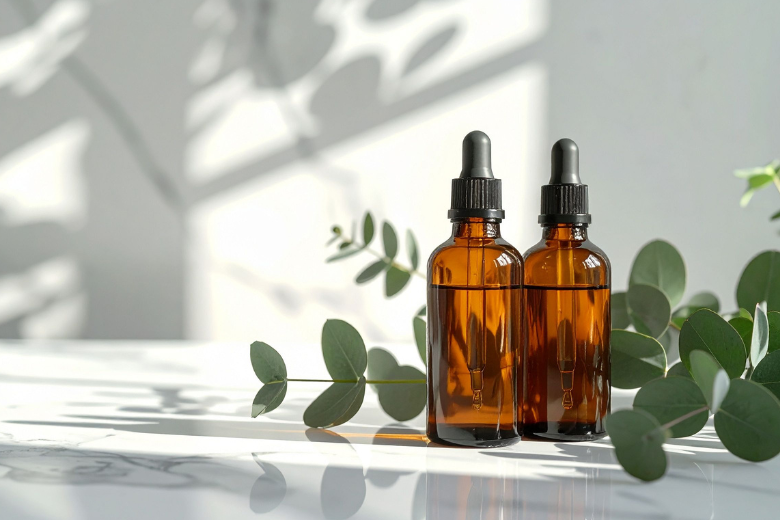
Diffuser Blends for Easier Breathing
Essential oil blends help create a harmonious scent that is both fresh and pleasant. During winter, popular combinations are those that support a feeling of easier breathing and clean air.
💧 "Clear Breath" Blend
- 2 drops eucalyptus,
- 2 drops peppermint,
- 1 drop pine.
This blend is strong and refreshing – ideal for short diffusion during the day when you feel the air is heavy.
💧 "Winter Clean Air" Blend
- 3 drops tea tree,
- 2 drops lemon,
- 1 drop rosemary.
A light yet clean scent that suits the living room or bedroom when you want to gently "refresh" the space.
💧 "After a Long Day Refresher" Blend
- 2 drops eucalyptus,
- 2 drops lavender,
- 1 drop peppermint.
Lavender softens the blend and adds a calming tone – suitable for the evening when you want to combine relaxation with a feeling of fresher breathing.
Steam Inhalation (for Adults)
Steam inhalation is one of the traditional winter rituals. Combined with essential oil, it can help create a pleasant feeling when breathing warm steam.
How to do a simple steam inhalation:
- Pour hot, but not boiling water into a bowl.
- Add only 1 drop of eucalyptus, rosemary or peppermint.
- Sit by the bowl, keep your face away from the water surface and gently inhale the rising steam.
- Avoid contact with eyes and the eye area.
Aromatherapy in the Bedroom During Winter
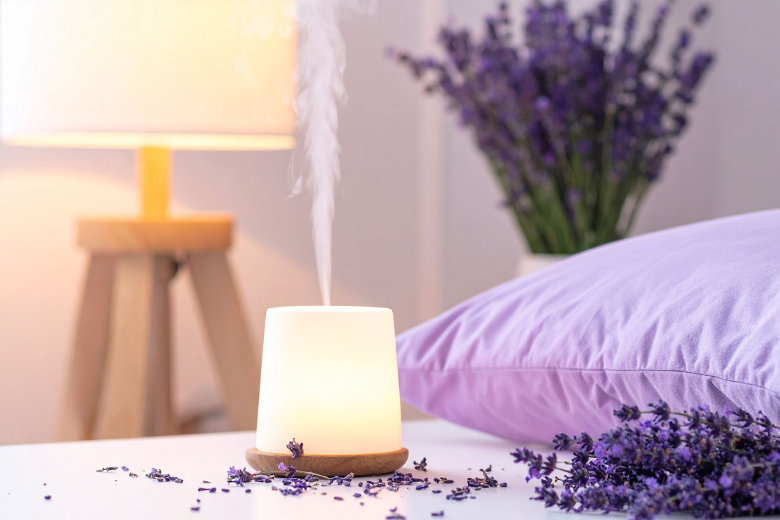
Aromatherapy can create a more pleasant and calmer atmosphere in the bedroom during winter. A stuffy nose often reduces sleep quality, so it's not necessary to leave the diffuser running all night. In most cases, it's enough to turn it on approximately 30–60 minutes before bedtime to gently scent the room and make the air feel fresher.
One very popular option is the "Night Relief" blend, which combines two drops of pine with two drops of lavender. This is a gentle combination with a slightly herbal tone that creates a feeling of cleaner air while helping to calm the mind before falling asleep.
If you prefer deeper and warmer winter scents, you can try the "Winter Relaxation" blend. This combines two drops of frankincense with one drop of peppermint and one drop of orange. Frankincense adds calm and depth to the blend, peppermint provides lightness, and orange adds a pleasantly soft and warm undertone, making it ideal for evening relaxation.
How to Use a Diffuser Properly in Winter
When using a diffuser in winter, just a few simple rules will ensure aromatherapy is pleasant and doesn't compromise air quality.
- For a standard room, 3–5 drops of essential oil are usually sufficient.
- Don't leave the diffuser running all day – ideally 20–40 minutes at a time.
- Ventilate regularly, even when it's cold outside – short, intensive airing makes a big difference.
- In the evening, choose gentler oils (pine, fir, lavender, frankincense).
- After each use, clean the diffuser according to the manufacturer's instructions.
Safe Use of Essential Oils in Winter
Essential oils are highly concentrated and intense, so it's important to handle them with care. Just a small amount is enough for the air in the room to be pleasant and safe at the same time.
Basic Safety Guidelines
- use only a few drops – with essential oils, less is always more,
- never apply essential oils directly into the nose or on mucous membranes,
- do not apply them undiluted on the skin unless you have precise instructions from a specialist,
- when diffusing, 20–40 minutes is sufficient, then ventilate the room,
- run the diffuser before sleep, not all night,
- be careful around the eyes and eye area, do not inhale oil directly from the bottle,
- for children, use gentler oils (e.g. pine, fir, lavender) and lower amounts,
- for pregnant women, it's advisable to choose gentler oils and lower intensity, use strong fragrances with caution,
- steam inhalations with essential oils are suitable for adults only,
- if the scent is too strong or unpleasant, turn off the diffuser immediately and ventilate.
When the air in the room feels heavy, you start getting a headache, your eyes burn or the scent is unpleasantly sharp, it's a signal that the aroma is too strong. In such cases, simply reduce the number of drops and shorten the diffusing time.
If you're not sure about the correct use of essential oils or have special health restrictions, it's advisable to consult everything with a doctor, aromatherapist or other specialist.
FAQ – Frequently Asked Questions
💧 Can I diffuse essential oils for a cold every day?
Yes, but in shorter intervals. 20–30 minutes several times a day is sufficient, as needed. It's important not to overdo the number of drops and to ventilate the room regularly.
💧 How many drops should I add to a diffuser for a cold?
For a standard room (approximately 20–25 m²), 3–5 drops are usually sufficient. For smaller rooms, you can use fewer drops to prevent the scent from being too intense.
💧 Can a diffuser run all night?
It's not recommended to leave the diffuser on all night. Usually, running it for 30–60 minutes before bedtime is enough – the air becomes pleasantly scented and you'll fall asleep in a nicely fragranced environment.
💧 Can I apply essential oil directly under my nose?
No. Essential oils should not be applied directly to mucous membranes or inside the nose. They are concentrated and could irritate the skin or mucous membranes. Always use them in a diffuser, spray, or properly diluted.
Conclusion: Winter Aromatherapy for Easier Breathing and a Cozy Home
Aromatherapy can be a great helper during winter – it helps freshen the air, creates a feeling of easier breathing, and brings a pleasant, calming atmosphere. Essential oils such as eucalyptus, peppermint, pine, or tea tree are among the most popular winter scents and in a diffuser, they can transform your home into a cozy, fragrant space.
Want to create a pleasant winter atmosphere at home? Choose from our range of quality essential oils and try one of the simple blends for fresh and clean air. Just a few drops are all you need. 🌿✨
Frequently asked questions
Which essential oil is best for a blocked nose?
Eucalyptus, either globulus for adults or the milder radiata. Peppermint works alongside it and thyme is the third option. Two to three drops in a bowl of hot but not boiling water, breathing the steam for five minutes with the eyes shut.
How do you use essential oils for congestion?
Three ways. Steam inhalation is the most direct. A chest rub diluted to 1 or 2 per cent in a carrier oil works overnight. And a diffuser in the bedroom, 3 to 5 drops, keeps the air scented without anything touching the skin.
Can children use eucalyptus oil?
Not under two years old, and for older children not near the face or nose. The 1,8-cineole in eucalyptus and the menthol in peppermint can cause laryngospasm in small children. For a child's room, choose a gentler oil or ask a paediatrician first.
Can you put essential oils in a humidifier?
Only in a device designed for it. Oils attack the plastic and the membrane in ordinary humidifiers and void the warranty. An ultrasonic diffuser is built for oils and also adds moisture, which is what dry winter air needs anyway.
How long should you keep using them?
They ease the symptom, they do not treat the cause. If congestion lasts more than about ten days, comes with fever, or the pain sits over the sinuses, see a doctor rather than reaching for a stronger blend.