
 Our products
 Aromatherapy - essential oils
 Essential oils
 Aroma lamps
 Aroma Diffusers
 Seeds
 Vegetables
 Herbs and spices
 Ornamental Plant Seeds
 Grass mixtures
 Sprouts and microgreens
 Growing supplies
 Cultivation and Gardening Supplies
 Hydroponics and indoor growing
 Protective equipment and gardening tools
 Exotic plants
 Exotic Fruit and Vegetables
 Exotic herbs
 Exotic trees and shrubs
 Ornamental exotic plants
 Roasted coffee
 Espresso coffee
 Ecological coffee preparation
 Thermal mugs and coffee cups
 Aeropress
 Thermos flasks and thermal mugs for coffee and tea
 Moka pot
 Filter coffee
 Coffee blends
 Accessories for coffee makers
 Water filtration
 Coffee grinders
 Cleaning the Coffee Maker
 Ecological Cleaning of Coffee Machines
 Coffee makers
 Coffee Preparation
 Coffee Accessories
 Food products
 For wildlife and pets
 Chocolate and others
 Hemp food products
 Natural cosmetics
 Hemp cosmetics
 Smoking supplies
 Bongs - water pipes
 Blunts and tubes
 E-liquids with Terpenes and CBD
 Grinders and Mills
 Papers and filters
 Smoking accessories
 Vaporizers
 Air fresheners
 CBD and CBG products
 CBD sprays
 CBD and CBN crystals
 CBD body and facial care
 Weeds
 CBD suppositories and capsules
 CBD oils and drops
 CBG oils and drops
 House and garden
 Fashion and Decoration
 Kitchen essentials and cooking
 Christmas Decorations and Accessories
 Gift Sets
 Bird feeders
 Seasonal and Special Tools
Can scented oils influence our immunity? New studies suggest that certain essential oils – such as cinnamon, eucalyptus or tea tree – may support the body's natural defense mechanisms. In this article, we'll explore how these oils work, which ones are most popular, and how to use them correctly and safely at home. If you're looking for gentle natural support for your health, you might find inspiration right here.
In short: Laboratory studies from 2024–2025 suggest that some essential oils, such as cinnamon (about 88 % cinnamaldehyde), eucalyptus and tea tree, have antimicrobial and anti-inflammatory properties. Current evidence does not confirm that they prevent disease or directly boost immunity in humans. They can complement, not replace, a balanced diet, sleep, exercise and hand washing.
| Main component of cinnamon oil | cinnamaldehyde, approx. 88 % |
|---|---|
| Key compound in eucalyptus oil | 1,8-cineole |
| Type of evidence | mostly laboratory and animal studies |
| Use on skin | always dilute with a carrier oil, patch test first |
| Pregnant women and children | only after consulting a doctor |
Can aromatic oils influence our immunity? Recent studies suggest that certain essential oils – such as cinnamon, eucalyptus or tea tree – may gently support the body's natural defense capabilities. Thanks to their aromatic and plant compounds, they have become a common health care supplement in recent years, not only in aromatherapy.
In this article, we will explore together what new studies say about the effects of these oils, which oils are most commonly recommended, and how to use them safely at home. Whether you're looking for natural support after a challenging period, or you're simply interested in how essential oils work, you'll find practical advice and inspiration for everyday life here.
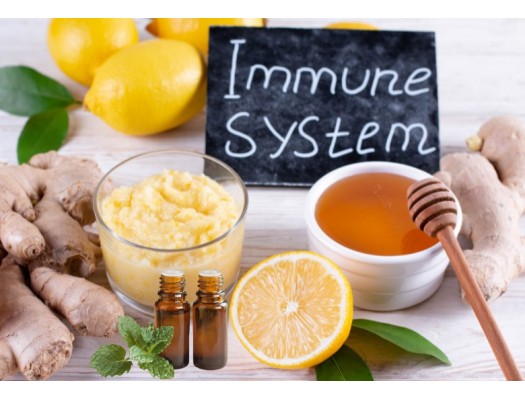
Table of Contents
- What are essential oils and how do they relate to immunity
- What recent research says (2024–2025)
- How oils can help the immune system
- Which oils are worth attention
- How to use essential oils correctly
- What to watch out for
- Summary and practical tips
What are essential oils and how do they affect immunity

Essential oils are natural aromatic substances extracted from plants, usually through distillation or pressing. In nature, they help plants protect themselves against pests and diseases – and it's precisely thanks to these properties that they are also used in aromatherapy. Many people use them as part of health care and to support overall body resistance.
The immune system is our body's natural defense. It helps protect against diseases and infections and also participates in healing and managing inflammation. It consists of many different parts – for example, white blood cells, lymph nodes, thymus or spleen. When this system functions well, our body can more easily cope with external influences.
Latest Research 2024–2025: Groundbreaking Discoveries
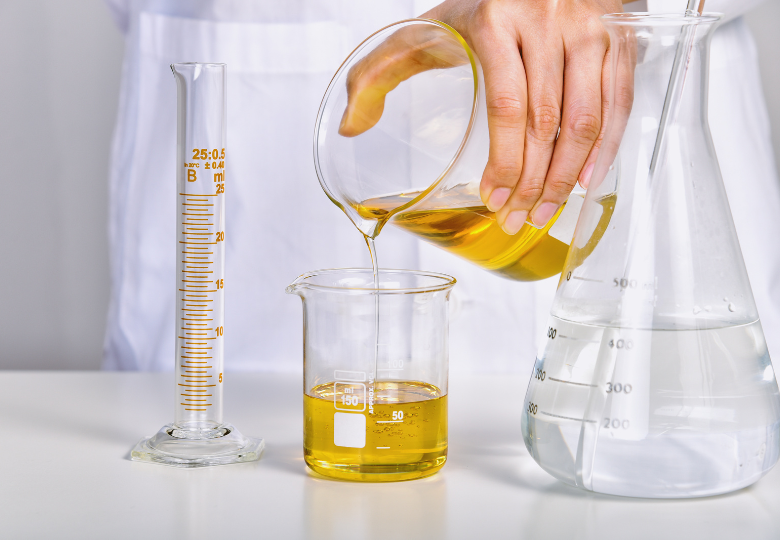
What New Studies Discovered About Cinnamon Oil (2024)
A scientific article published in February 2024 in the journal Frontiers in Medicine highlighted interesting effects of cinnamon essential oil. Its main component – cinnamaldehyde – makes up approximately 88% and was examined in the study for its possible influence on immune responses. The results suggest it could help support natural defense capabilities.
Another study from March 2024 focused on the ability of cinnamon oil to act against some common and more resistant bacteria, including the species Pseudomonas aeruginosa. This may be particularly useful for people with weakened immunity – however, scientists point out that these are laboratory findings and further studies are needed.
Eucalyptus and Ginger Oil Under the Microscope
A comprehensive review from 2024 compared multiple essential oils in terms of possible effects on the immune system. Eucalyptus and ginger oil emerged as the most interesting, having been evaluated in various studies as potentially immunostimulating.
What About COVID-19?
One of the newer studies published on the ScienceDirect platform focused on the use of essential oils as a possible supportive tool in the prevention of viral diseases, including COVID-19. The conclusions suggest that some oils could have potential as a supplement to common preventive measures – however, they are definitely not a replacement for professional treatment.
How Essential Oils Strengthen the Immune System
Possible Antimicrobial Effects
Some essential oils contain natural substances that, according to studies, may disrupt cellular structures of bacteria, viruses, or fungi. Thanks to this, they are being researched as supportive agents that may reduce the risk of infection development and thus support immune balance.
Anti-inflammatory Potential
Selected oils – such as cinnamon – appear interesting according to research also due to possible effects against inflammatory processes. Some of their components could help suppress manifestations of inflammation, which often accompanies immune responses. However, it should be noted that these are preliminary findings, mostly from laboratory settings.
Antioxidant Properties
Essential oils may contain antioxidants – substances that help the body protect cells from the effects of free radicals. These are associated with premature aging and weakened immunity, which is why antioxidants play an important role in prevention.
Impact on Mental Health and Indirectly on Immunity
Aromatherapy can support mental wellbeing and relaxation, which is important for the immune system. Chronic stress is one of the factors that weakens immune responses. The release of natural fragrances can therefore help indirectly, through calming the nervous system.
TOP Essential Oils for Boosting Immunity
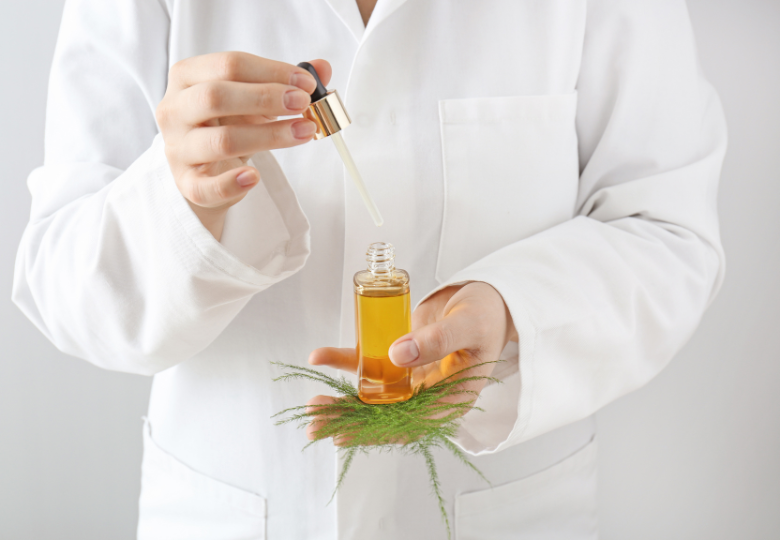
Tea Tree Oil (Melaleuca alternifolia)
Tea tree oil is one of the most researched essential oils with antimicrobial properties. It has the ability to fight bacteria, viruses and fungi.
Eucalyptus Oil (Eucalyptus)
Eucalyptus oil contains high concentrations of 1,8-cineole, which has strong antimicrobial and anti-inflammatory effects. It is particularly effective for respiratory problems.
Cinnamon Oil (Cinnamomum)
Cinnamon oil with 88.7% cinnamaldehyde content has demonstrated exceptional antioxidant, anti-inflammatory and immunostimulant properties. It can serve as a natural alternative to antibiotics.
Lemon Oil (Citrus limon)
Lemon oil stimulates the production of immunoglobulin A, which is a key immune protein. This oil can strengthen the immune system and helps in infection prevention.
Oregano Oil (Origanum vulgare)
Oregano essential oil has strong antimicrobial effects and can help boost resistance to infections.
Peppermint Oil (Mentha piperita)
Peppermint has antimicrobial and anti-inflammatory effects that can help strengthen the immune system.
Lavender Oil (Lavandula angustifolia)
Lavender has anti-inflammatory and relaxing effects that can indirectly strengthen the immune system by reducing stress.
How to Use Essential Oils Properly for Health
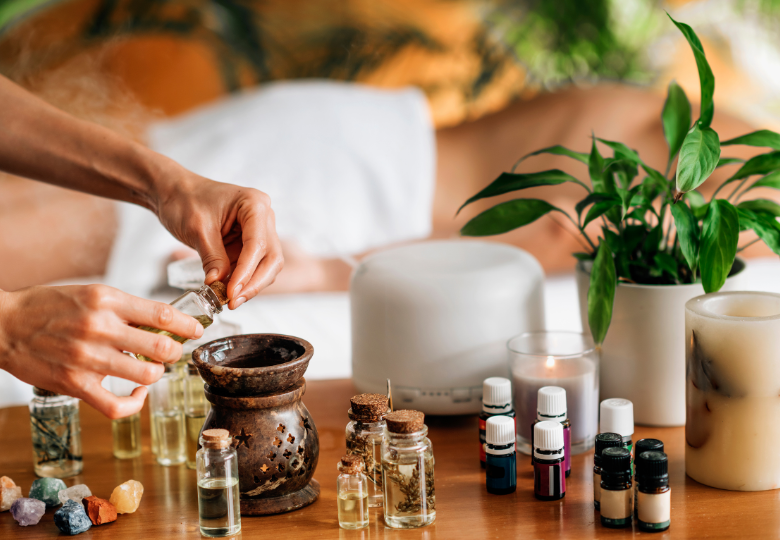
Inhalation and Diffusion
Add a few drops of essential oil to an aroma diffuser or aroma lamp and breathe in its scent. Eucalyptus, tea tree, or lemon oil have antimicrobial effects and help prevent infections.
Therapeutic Massage
Mix essential oil with a carrier oil (almond, coconut) and use during a relaxing massage. Oils such as lavender, rosemary, or tea tree have anti-inflammatory and relaxing effects.
Aromatherapy Baths
Add a few drops of essential oil to a warm bath. Eucalyptus, lavender or thyme are suitable for baths and may support the immune system.
Safety Recommendations
- Always dilute essential oils before using on skin
- Do not ingest essential oils without consulting an expert
- Perform a patch test on a small area of skin before use
- Pregnant women and children should only use essential oils after consulting a doctor
Safety and Expert Recommendations
Current scientific evidence does not confirm that essential oils can prevent diseases or directly boost immunity. Most studies have been conducted in laboratories or on animals, human studies are limited and do not show a clear connection between essential oils and health benefits.
Essential oils should not be considered the primary means of protection against diseases. The best ways to support the immune system remain:
- Healthy balanced diet with sufficient vitamins and minerals
- Regular physical activity and exercise
- Adequate sleep
- Stress management
- Regular hand washing
Conclusion and Practical Tips
The latest studies from 2024-2025 confirm that essential oils, particularly cinnamon, eucalyptus and ginger, have proven immunomodulatory properties and can function as a useful complementary support for the immune system.
Essential oils demonstrate the ability to modulate immune responses, support immune functions and reduce inflammation. Their antimicrobial and antiviral effects can be useful in preventing infections.
To achieve the best results:
- Combine with other healthy habits - essential oils are not a miracle solution
- Use quality oils - choose certified products from trustworthy manufacturers
- Follow safety guidelines - always dilute and test on a small area of skin
- Consult with specialists - especially when taking medications or having health problems
Essential oils can be a pleasant and beneficial addition to a healthy lifestyle that supports the body's natural defenses. However, further research focused on humans is needed for a more precise understanding of their mechanisms of action.
🌿 Recommended products:
- Tea tree oil 10ml
- Eucalyptus oil 10ml
- Aroma diffuser
- Oregano essential oil 10ml
💡 Related articles:
- Strengthening the immune system through aromatherapy
This article was updated in May 2025 with the latest scientific findings and research in the field of essential oils and the immune system.