
 Our products
 Aromatherapy - essential oils
 Essential oils
 Aroma lamps
 Aroma Diffusers
 Seeds
 Vegetables
 Herbs and spices
 Ornamental Plant Seeds
 Grass mixtures
 Sprouts and microgreens
 Growing supplies
 Cultivation and Gardening Supplies
 Hydroponics and indoor growing
 Protective equipment and gardening tools
 Exotic plants
 Exotic Fruit and Vegetables
 Exotic herbs
 Exotic trees and shrubs
 Ornamental exotic plants
 Roasted coffee
 Espresso coffee
 Ecological coffee preparation
 Thermal mugs and coffee cups
 Aeropress
 Thermos flasks and thermal mugs for coffee and tea
 Moka pot
 Filter coffee
 Coffee blends
 Accessories for coffee makers
 Water filtration
 Coffee grinders
 Cleaning the Coffee Maker
 Ecological Cleaning of Coffee Machines
 Coffee makers
 Coffee Preparation
 Coffee Accessories
 Food products
 For wildlife and pets
 Chocolate and others
 Hemp food products
 Natural cosmetics
 Hemp cosmetics
 Smoking supplies
 Bongs - water pipes
 Blunts and tubes
 E-liquids with Terpenes and CBD
 Grinders and Mills
 Papers and filters
 Smoking accessories
 Vaporizers
 Air fresheners
 CBD and CBG products
 CBD sprays
 CBD and CBN crystals
 CBD body and facial care
 Weeds
 CBD suppositories and capsules
 CBD oils and drops
 CBG oils and drops
 House and garden
 Fashion and Decoration
 Kitchen essentials and cooking
 Christmas Decorations and Accessories
 Gift Sets
 Bird feeders
 Seasonal and Special Tools
Discover the magic of homemade aromatherapy candles. Updated for 2025: new fragrance combinations and tips for sustainable production.
Scented candles with essential oils aren't just a beautiful interior accessory – they help create an atmosphere of calm, harmony and wellbeing. In this article, we'll show you how to easily make your own candles with natural fragrances that delight both body and soul. Practical tips, recipes and inspiration for every mood and season await you.
In short: Melt soy, beeswax or palm wax, take it off the heat and stir in 5–6 % essential oil by weight – roughly 5–6 g (100–120 drops) per 100 g of wax. Pour into a jar with the wick fixed to the bottom, let the candle rest 24 hours, and burn it no longer than 2–4 hours at a time.
| Suitable waxes | Soy (best for beginners), beeswax, palm wax |
|---|---|
| Essential oil ratio | Typically 5–6 % of the total wax weight |
| Example dosage | 100 g wax = 5–6 g oil (approx. 100–120 drops / 5–6 ml) |
| When to add the oil | After removing the wax from the heat |
| Resting time before use | 24 hours, so the scent can settle |
| Maximum burn time | 2–4 hours per session, never unattended |
Scented candles with essential oils aren't just interior decorations. They're also a means to relax, calm down, and create a pleasant atmosphere. In this article, we'll show you step by step how to make aromatherapy candles at home – safely, simply, and with joy. You'll learn which essential oils to choose for different purposes and which waxes are most suitable. You'll also learn several simple recipes that even beginners can master.
Contents
- What You Need to Make Aromatherapy Candles
- Most Popular Essential Oils for Candles
- How to Make a Scented Candle with Essential Oil
- How Much Essential Oil to Use in a Candle?
- FAQ: Can I Use Fragrance Oils?
- Essential Oils and Their Effects on Mood
- How to Safely Use Candles with Essential Oils
- In Conclusion: Simple, Natural, According to Your Own Ideas
What You Need to Make Aromatherapy Candles
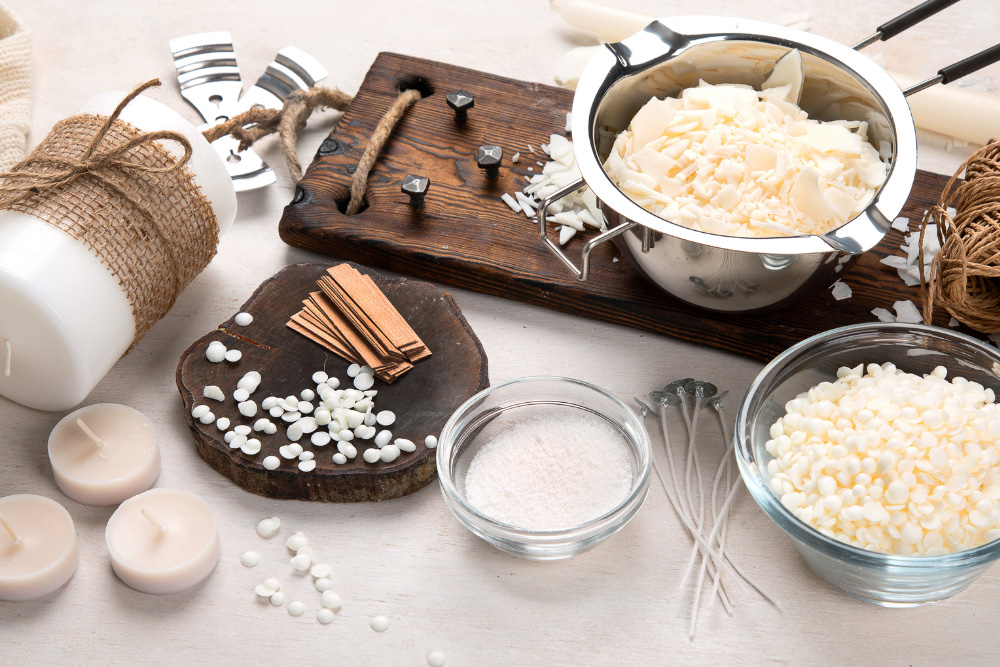
Making candles at home is simpler than you might think. You can make them from several types of wax:
- soy wax - ideal for beginners
- beeswax - offers a gentle, natural scent
- palm wax - creates beautiful crystals
Besides wax, you'll also need:
- Candle wick – choose length according to the container
- Glass container or silicone mold
- Essential oils – according to desired effect
- Wax thermometer
- Pot for heating wax
- Optionally, you can add dried flowers or natural dyes
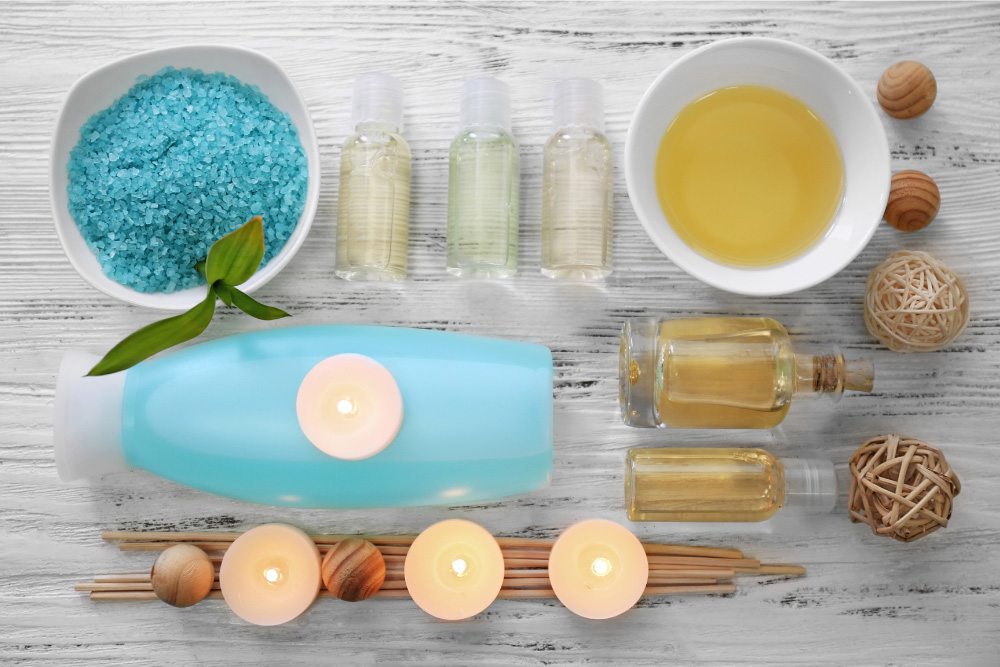
💡 Quick tip: Secure the wick to the bottom of the container before pouring wax using wax or a glue gun. It will stay in place.
Most Popular Essential Oils for Candles
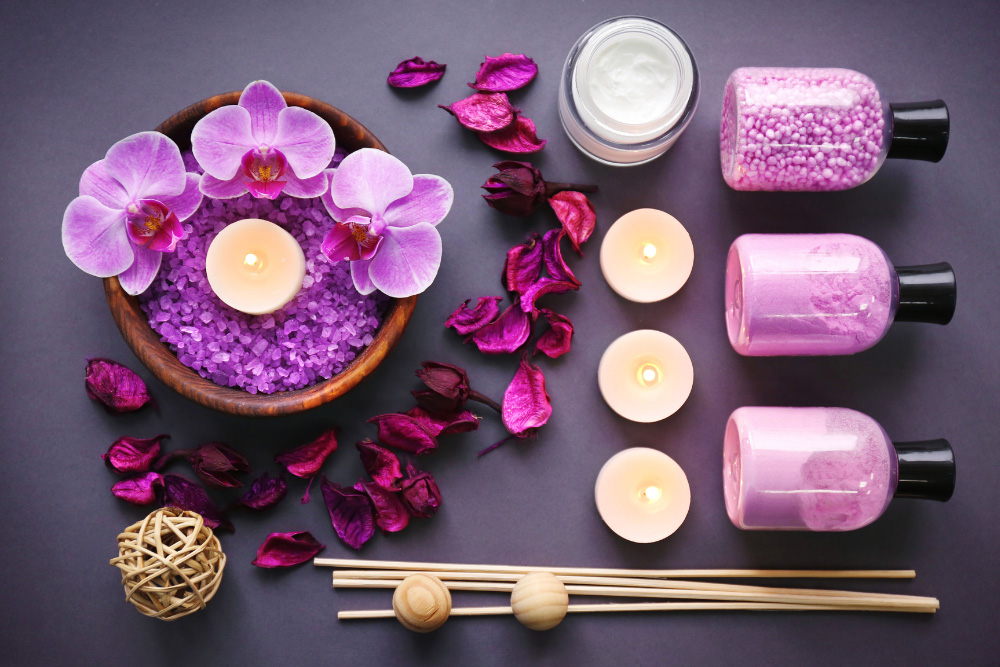
Did you know that different scents can positively influence mood and inner well-being? They are traditionally used for calming or energising, or to help create a pleasant atmosphere. Among the most popular oils are:
- Lavender oil – traditionally used for relaxation and creating a calm atmosphere
- Lemon oil – refreshes the mind, provides energy, supports concentration
- Jasmine oil – creates a romantic atmosphere
- Eucalyptus oil – fresh scent for a clean atmosphere
💡 Practical tip: A blend of lavender and lemon is ideal for evening relaxation after a demanding day.
How to Make a Scented Candle with Essential Oil
Making candles doesn't have to be complicated. Try one of these simple recipes.
Lavender Candle for Peaceful Sleep
- Ingredients: soy wax, lavender oil, wick, jar
- Method: Melt the wax, stir in the oil, pour into the jar, insert the wick and leave to harden.
Lemon Candle for a Fresh Morning
- Ingredients: beeswax, lemon oil, wick, container
- Method: Heat the wax, add the oil, pour and leave to set.
Jasmine Candle for a Romantic Mood
- Ingredients: palm wax, jasmine oil, wick, mould
- Method: Same as previous – heat, mix, pour.
Eucalyptus Candle for Clean Air
- Ingredients: soy wax, eucalyptus oil, wick, container
- Method: Follow the same steps – heat, mix, pour.
💡 Try this: The ratio of essential oil is typically around 6–10% relative to the amount of wax. Let the candle rest for 24 hours after making it so the scent can settle.
How Much Essential Oil to Use in a Candle?
The amount of essential oil depends on the type of wax and desired fragrance intensity. Typically, 5-6% essential oil of the total wax amount is used.
Example: If you have 100 g of wax, use approximately 5–6 g of essential oil (roughly 100–120 drops, or 5–6 ml).
Add the oil after removing the wax from heat to better preserve its fragrance.
Can I Use Fragrance Oils in Candles?
Yes, you can also use fragrance oils. These oils are more intense and stable during burning. If you prefer purely natural ingredients, we recommend 100% essential oils.
Essential Oils and Their Effects on Mood
Aromatherapeutic candles are not just about pleasant fragrance. Traditionally, different oils are believed to help create a specific atmosphere:
| Essential Oil | Traditional Use in Aromatherapy |
|---|---|
| Lavender | Calming, relaxation |
| Lemon | Energizing, freshness |
| Jasmine | Romance, relaxation |
| Eucalyptus | Refreshing, clean atmosphere |
The stated effects are based on traditional use in aromatherapy.
How to safely use candles with essential oils
- Place the candle on a stable surface
- Do not let it burn for longer than 2–4 hours
- Flame too high = trim the wick
- Do not leave the candle unattended
- After extinguishing, let it cool down
Conclusion: Simple, natural, according to your own preferences
Natural candles with essential oils can be a beautiful addition to your home and a tool for relaxation. You choose the scent, appearance and atmosphere yourself. Browse our range of essential oils and discover new scent combinations for relaxation, energy and harmony. 🌿🕯️