
 Our products
 Aromatherapy - essential oils
 Essential oils
 Aroma lamps
 Aroma Diffusers
 Seeds
 Vegetables
 Herbs and spices
 Ornamental Plant Seeds
 Grass mixtures
 Sprouts and microgreens
 Growing supplies
 Cultivation and Gardening Supplies
 Hydroponics and indoor growing
 Protective equipment and gardening tools
 Exotic plants
 Exotic Fruit and Vegetables
 Exotic herbs
 Exotic trees and shrubs
 Ornamental exotic plants
 Roasted coffee
 Espresso coffee
 Ecological coffee preparation
 Thermal mugs and coffee cups
 Aeropress
 Thermos flasks and thermal mugs for coffee and tea
 Moka pot
 Filter coffee
 Coffee blends
 Accessories for coffee makers
 Water filtration
 Coffee grinders
 Cleaning the Coffee Maker
 Ecological Cleaning of Coffee Machines
 Coffee makers
 Coffee Preparation
 Coffee Accessories
 Food products
 For wildlife and pets
 Chocolate and others
 Hemp food products
 Natural cosmetics
 Hemp cosmetics
 Smoking supplies
 Bongs - water pipes
 Blunts and tubes
 E-liquids with Terpenes and CBD
 Grinders and Mills
 Papers and filters
 Smoking accessories
 Vaporizers
 Air fresheners
 CBD and CBG products
 CBD sprays
 CBD and CBN crystals
 CBD body and facial care
 Weeds
 CBD suppositories and capsules
 CBD oils and drops
 CBG oils and drops
 House and garden
 Fashion and Decoration
 Kitchen essentials and cooking
 Christmas Decorations and Accessories
 Gift Sets
 Bird feeders
 Seasonal and Special Tools
Do you want a clean and fresh home – without unnecessary chemicals? 🌿Essential oils will help you clean naturally and effectively. These fragrant natural extracts are increasingly being used in households instead of conventional cleaning products. Discover their benefits, tips, and recipes for natural cleaners you can make yourself.
Want to have a perfectly clean home while avoiding unnecessary chemicals? Essential oils represent a natural and effective way to care for your household and yourself. These fragrant natural extracts are increasingly being used for cleaning from the kitchen to the bathroom.
In this article, updated for 2025, you'll find the benefits of using them, tips on proven combinations, and simple recipes for sprays, pastes, and fresheners that you can make yourself. Take the first step towards a clean, fresh, and healthier household without unnecessary chemicals. 🌿
Article Contents
- Why Choose a Natural Path to Cleanliness
- Benefits of Essential Oils for Cleaning
- Most Popular Essential Oils for Cleaning
- DIY Cleaning Product Guides
- Tips and Tricks for Use
- Latest Research and Findings
- Conclusion and Recommendations
Why Choose a Natural Path to Cleanliness
A clean home brings not only a sense of well-being but also a healthier environment for the whole family. More and more people are therefore looking for ways to clean without aggressive chemicals – and essential oils are becoming a popular choice.
These natural fragrances help keep your household fresh, promote a pleasant atmosphere, and at the same time represent a gentle alternative to conventional cleaning products.
Benefits of Essential Oils for Household Cleaning
- Gentle on Nature and Health: Essential oils contain no synthetic substances or aggressive chemicals common in commercial cleaning products. They are therefore safer for you and your surroundings.
- Antimicrobial Effects: Research suggests that oils such as tea tree, lemon or lavender may have antibacterial properties and naturally help maintain a clean environment.
- Pleasant Fragrance: They replace the harsh smell of chemicals with fresh natural tones that scent your home and bring a sense of wellbeing and relaxation.
- Universal Use: Essential oils can be used in homemade sprays, cleaning pastes, for laundry washing or in aroma diffusers – simply everywhere you want to combine cleanliness with the scent of nature.
Most Popular Essential Oils for Cleaning
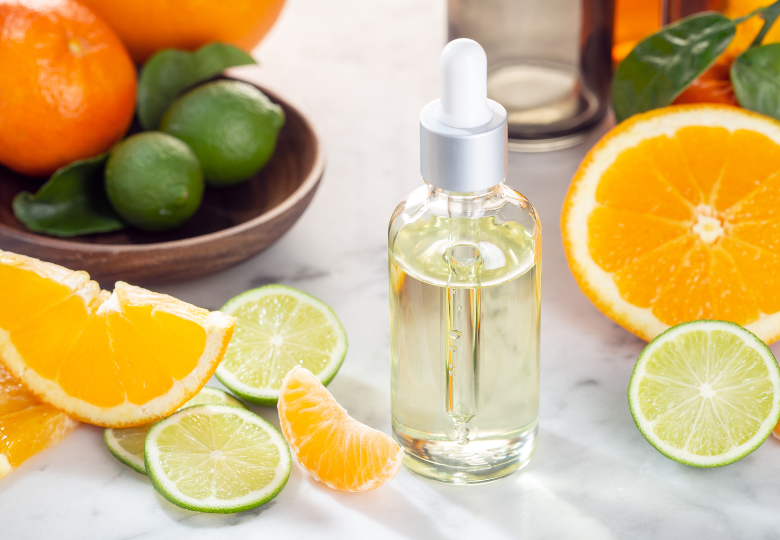
🌿A glass bottle of lemon essential oil – a natural helper for cleaning and refreshing your household.
- Lemon oil: Excellent at tackling grease and leaving a fresh, clean scent. Ideal for kitchen surfaces and polishing.
- Tea tree oil: Valued for its natural cleaning properties. Perfect for homemade sprays and bathroom cleaning products.
- Lavender oil: Gentle, refreshing and harmonizing. Scents bedrooms, bathrooms and laundry while bringing a sense of calm.
- Eucalyptus oil: Especially suitable for bathrooms. Helps refresh the air and brings a feeling of cleanliness.
- Peppermint oil: Adds cooling freshness and energy to spaces – an ideal choice for kitchens or workspaces.
DIY Cleaning Product Recipes
Try these simple recipes you can prepare from commonly available ingredients. All are gentle, effective and beautifully scented.
🫧 All-Purpose Cleaning Spray
Ingredients:
- 2 cups water
- ½ cup white vinegar
- 10–15 drops of lemon or lavender oil
Instructions:
Mix all ingredients in a spray bottle. Use the spray on kitchen counters, tables, glass and bathrooms.
💡 Lemon adds freshness, lavender calms the atmosphere.
🫧 Cleaning Paste for Hard Surfaces
Ingredients:
- ½ cup of baking soda
- 2–3 tablespoons of water
- 10 drops of tea tree oil
Instructions:
Create a thick paste and apply to problem areas (e.g. grout, sinks or tiles). Leave to work and then rinse.
💡 Tea tree oil is known for its refreshing and cleansing effects.
🫧 Carpet Cleaning Powder
Ingredients:
- 1 cup of baking soda
- ½ cup of cornstarch
- 20 drops of peppermint or orange oil
Instructions:
Sprinkle the mixture evenly over the carpet, leave for 15–20 minutes and then vacuum.
💡 Peppermint oil freshens the air, orange adds a warm home fragrance.
Tips and Tricks for Use
Want your natural cleaning products to work as well as possible? Follow these simple recommendations:
🌿 Dosage:
For 500 ml of product, 10–20 drops of essential oil are usually sufficient. For stronger fragrances (e.g. peppermint, tea tree), start with a smaller amount and add more if needed.
🧪 Surface Test:
Before using the product for the first time, test it on a small part of the surface, especially on wood, marble or natural stone.
🏡 Storage:
Store mixtures in a dark and dry place. When exposed to sunlight or heat, oils can lose their fragrance and effectiveness.
👶🐾 Children and pets:
Store all products out of reach of children and pets. Even natural ingredients can be irritating in larger quantities.
Latest Research and Findings
Current studies from 2025 show that certain combinations of essential oils can help reduce the amount of bacteria and viruses on various types of materials.
An interesting trend is also nano-encapsulation technology, which allows active substances from oils to be enclosed in microscopic particles. This makes blends more stable, mix better with water, and last longer – ideal for natural cleaning products.
Conclusion and Recommendations
Homemade cleaning products with essential oils represent a natural alternative to chemical products. Their fragrance, simplicity and environmental friendliness make them an ideal choice for anyone who wants a clean home without unnecessary chemicals.
Try one of the recipes listed and discover how the power of nature can transform your everyday cleaning routine.
🌿 Recommended products:
- Tea tree oil
- Lemon oil
- Lavender oil
💡 Related article:
The Secret of Distillation: How Are Essential Oils Made?