
 Our products
 Aromatherapy - essential oils
 Essential oils
 Aroma lamps
 Aroma Diffusers
 Seeds
 Vegetables
 Herbs and spices
 Ornamental Plant Seeds
 Grass mixtures
 Sprouts and microgreens
 Growing supplies
 Cultivation and Gardening Supplies
 Hydroponics and indoor growing
 Protective equipment and gardening tools
 Exotic plants
 Exotic Fruit and Vegetables
 Exotic herbs
 Exotic trees and shrubs
 Ornamental exotic plants
 Roasted coffee
 Espresso coffee
 Ecological coffee preparation
 Thermal mugs and coffee cups
 Aeropress
 Thermos flasks and thermal mugs for coffee and tea
 Moka pot
 Filter coffee
 Coffee blends
 Accessories for coffee makers
 Water filtration
 Coffee grinders
 Cleaning the Coffee Maker
 Ecological Cleaning of Coffee Machines
 Coffee makers
 Coffee Preparation
 Coffee Accessories
 Food products
 For wildlife and pets
 Chocolate and others
 Hemp food products
 Natural cosmetics
 Hemp cosmetics
 Smoking supplies
 Bongs - water pipes
 Blunts and tubes
 E-liquids with Terpenes and CBD
 Grinders and Mills
 Papers and filters
 Smoking accessories
 Vaporizers
 Air fresheners
 CBD and CBG products
 CBD sprays
 CBD and CBN crystals
 CBD body and facial care
 Weeds
 CBD suppositories and capsules
 CBD oils and drops
 CBG oils and drops
 House and garden
 Fashion and Decoration
 Kitchen essentials and cooking
 Christmas Decorations and Accessories
 Gift Sets
 Bird feeders
 Seasonal and Special Tools
What did everyday life smell like in ancient China? Essential oils were part of rituals, fragrances, and a culture that emphasized balance and wisdom. In this article, we'll explore how essences were used in spiritual ceremonies, traditional perfumes, and the art of body care – and why they continue to inspire us today.
In short: Essential oils in ancient China were used mainly symbolically – in ceremonies, perfumery, massages, baths, inhalations and compresses. Fragrances were chosen according to the five elements, chi energy, the season and the current mood: lavender for calm, rosemary for concentration, sandalwood for meditative depth. Their modern role is atmosphere, not treatment.
Essential oils accompanied ancient China in rituals, fragrances, and cultural traditions. Their aroma was associated with the symbolism of wisdom, balance, and harmony, playing an important role in both spiritual and everyday life. In this article, we'll look at how fragrances were perceived in ancient Chinese culture – and how they can inspire us today.
Table of Contents
- History and Philosophy of Essential Oils in Ancient China
- Fragrances in Traditional Rituals and Care
- Essential Oils in Perfumery and Spiritual Practice
- Modern Inspiration from Ancient Chinese Fragrances
- Conclusion: The Power of Fragrances Across Centuries
History and Philosophy of Essential Oils in Ancient China
In ancient China, essential oils were part of rituals, fragrant blends, and cultural traditions. According to the philosophy of the five elements and chi energy, fragrances were selected to support a specific atmosphere, emotional mood, or symbolic meanings.
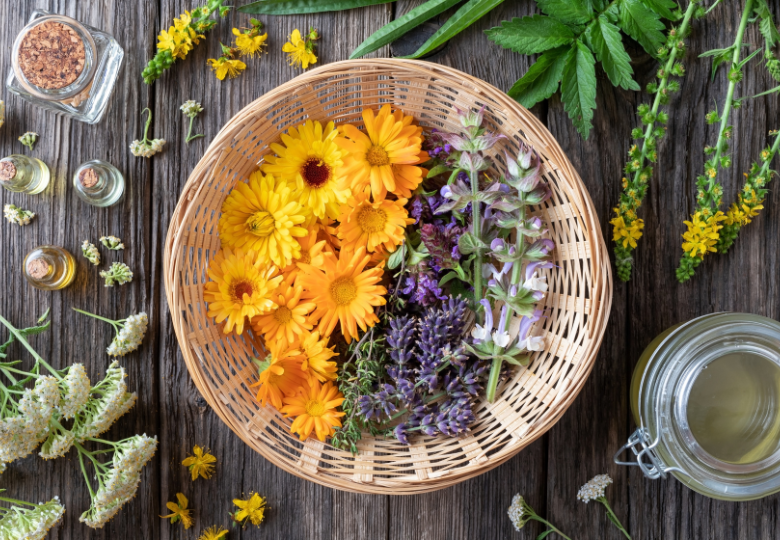
Symbolism of Fragrances in Chinese Culture
Fragrances were associated with emotions, inner balance, and spiritual depth. Each oil had its own meaning and use:
- Lavender: was perceived as a fragrance of calm and gentle harmony.
- Rosemary: associated with clear mind and concentration.
- Lemon: symbol of freshness and pure, light energy.
- Cinnamon: perceived as a warm, uplifting, and joyful fragrance.
- Sandalwood: traditionally connected with spiritual depth and meditative mood.
Fragrances in Traditional Rituals and Care
In ancient China, essential oils were part of body care, mental well-being, and ceremonial rituals. Their use was primarily symbolic, focused on atmosphere, relaxation, or personal ritual.
Massages
Oil was mixed with carrier oils and used to create a pleasant, relaxing atmosphere during massages.
👉 Find inspiration in the article Anti-stress Rituals with Essential Oils.
Inhalation
Fragrances were released using steam or simple aromatic vessels – for example, mint or eucalyptus for a fresh and clean atmosphere.
Bath Rituals
A few drops in warm water created a pleasant, sensory experience during evening relaxation rituals.
Compresses
Diluted oils were applied to fabric and used as part of traditional care rituals, where the focus was primarily on atmosphere and calming.
Essential Oils in Perfumery and Spiritual Practice
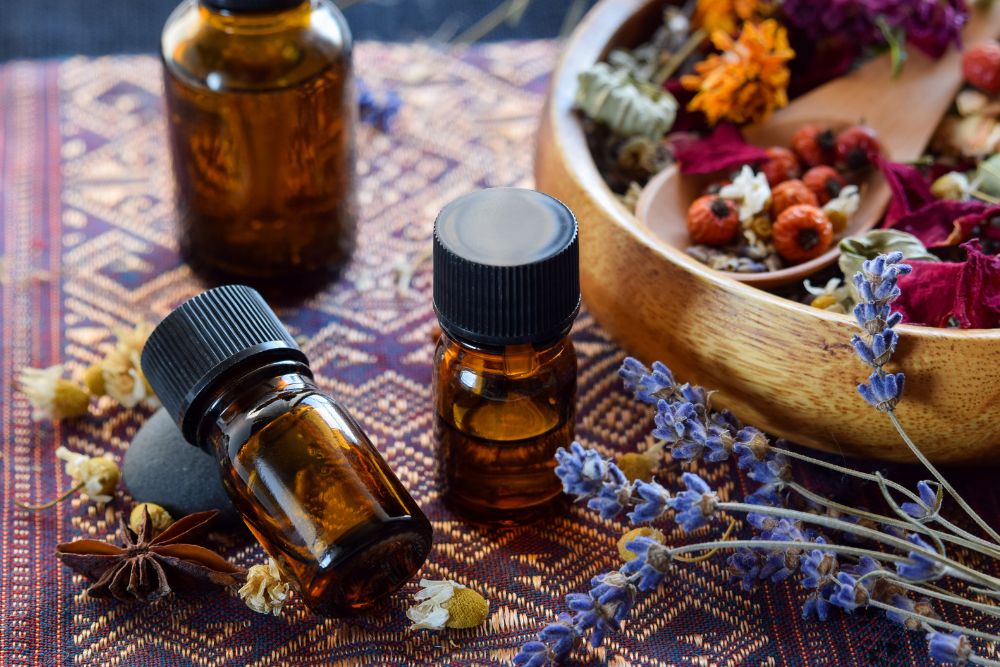
In ancient China, fragrances were valued not only for their beauty but also for their symbolic and spiritual significance. They were used in perfumery, meditation rituals, and ceremonies focused on space cleansing.
- Space cleansing: Fragrant blends were used in traditional "fumigation" of homes or temples.
- Meditation: Fragrances of sandalwood, myrrh, or lavender created a calm and focused atmosphere.
- Yin and yang harmony: Aromatic blends were selected to support the symbolic balance of energies.
Modern Inspiration from Ancient Chinese Fragrances
Today, essential oils inspired by ancient China appear in wellness, meditation, and home aromatherapy. Their role is not medicinal – however, they are popular for the atmosphere they can create.
Skin and Hair Care
Fragrances such as frankincense or rosewood appear in cosmetics primarily for their gentle, natural aromatics.
👉 Find more in the article: Tea Tree Oil – Natural Component for Skin and Hair Care.
Home Aromatherapy
All you need is a diffuser and a few drops – according to your mood, you can create an atmosphere of calm, energy, or concentration.
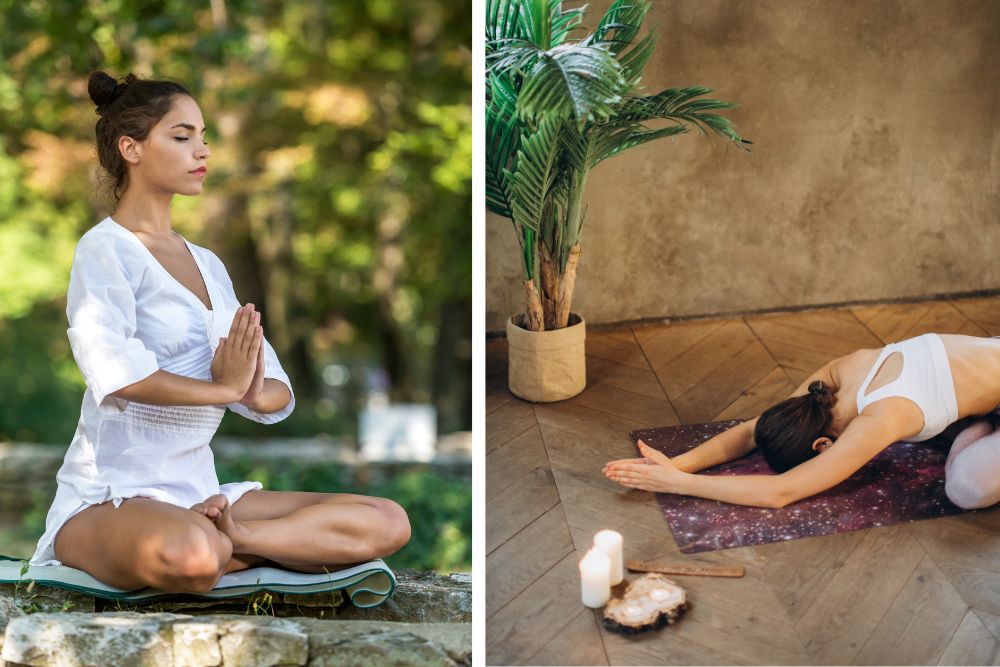
Wellness and Meditation
Fragrant blends accompany massages, meditation practice, or yoga rituals. Fragrance can complement the experience and create a pleasant environment.
In Conclusion: The Power of Fragrances Across the Centuries
Essential oils in ancient China were part of rituals, the art of fragrances, and the search for inner balance. Their legacy today inspires modern aromatherapy, meditation, and wellness. Whether you're drawn to the symbolism of elements, traditional rituals, or ancient perfumery, the world of fragrances offers space for your own sensory experiences.