
 Our products
 Aromatherapy - essential oils
 Essential oils
 Aroma lamps
 Aroma Diffusers
 Seeds
 Vegetables
 Herbs and spices
 Ornamental Plant Seeds
 Grass mixtures
 Sprouts and microgreens
 Growing supplies
 Cultivation and Gardening Supplies
 Hydroponics and indoor growing
 Protective equipment and gardening tools
 Exotic plants
 Exotic Fruit and Vegetables
 Exotic herbs
 Exotic trees and shrubs
 Ornamental exotic plants
 Roasted coffee
 Espresso coffee
 Ecological coffee preparation
 Thermal mugs and coffee cups
 Aeropress
 Thermos flasks and thermal mugs for coffee and tea
 Moka pot
 Filter coffee
 Coffee blends
 Accessories for coffee makers
 Water filtration
 Coffee grinders
 Cleaning the Coffee Maker
 Ecological Cleaning of Coffee Machines
 Coffee makers
 Coffee Preparation
 Coffee Accessories
 Food products
 For wildlife and pets
 Chocolate and others
 Hemp food products
 Natural cosmetics
 Hemp cosmetics
 Smoking supplies
 Bongs - water pipes
 Blunts and tubes
 E-liquids with Terpenes and CBD
 Grinders and Mills
 Papers and filters
 Smoking accessories
 Vaporizers
 Air fresheners
 CBD and CBG products
 CBD sprays
 CBD and CBN crystals
 CBD body and facial care
 Weeds
 CBD suppositories and capsules
 CBD oils and drops
 CBG oils and drops
 House and garden
 Fashion and Decoration
 Kitchen essentials and cooking
 Christmas Decorations and Accessories
 Gift Sets
 Bird feeders
 Seasonal and Special Tools
The Victorian era remains a symbol of elegance, luxury and enchanting fragrances to this day. Essential oils played an important role in perfumery, personal care and home fragrance, where they were a mark of refined taste. Take inspiration from the most popular scents of the time and discover how to create an atmosphere at home reminiscent of the nobility of Victorian salons using natural oils.
In short: In the 19th century essential oils were a status symbol, used in perfumery, personal care and home fragrance. Rose, lavender, bergamot, sandalwood and ylang-ylang ranked among the most popular. Victorian households scented interiors with oil lamps, candles, potpourri and a single drop of oil on linen textiles.
Did you know that in the Victorian era, essential oils were considered a symbol of luxury, elegance and refined taste? Natural fragrances held a firm place in cosmetics, perfumery and the household. Victorian ladies used aromatic essences as part of their daily beauty rituals, for special occasions and to perfume their interiors.
In this article, we'll look at the role essential oils played in this fascinating period, which fragrances were most popular and how you can bring a touch of Victorian charm into your own home.
Article Contents
- How Essential Oils Were Used in the Victorian Era
- Essential Oils as a Symbol of Luxury
- The Most Popular Fragrances in Victorian Society
- How Victorian Households Perfumed Their Interiors
- How to Bring Victorian Elegance Home
- Conclusion
How Essential Oils Were Used in the Victorian Era
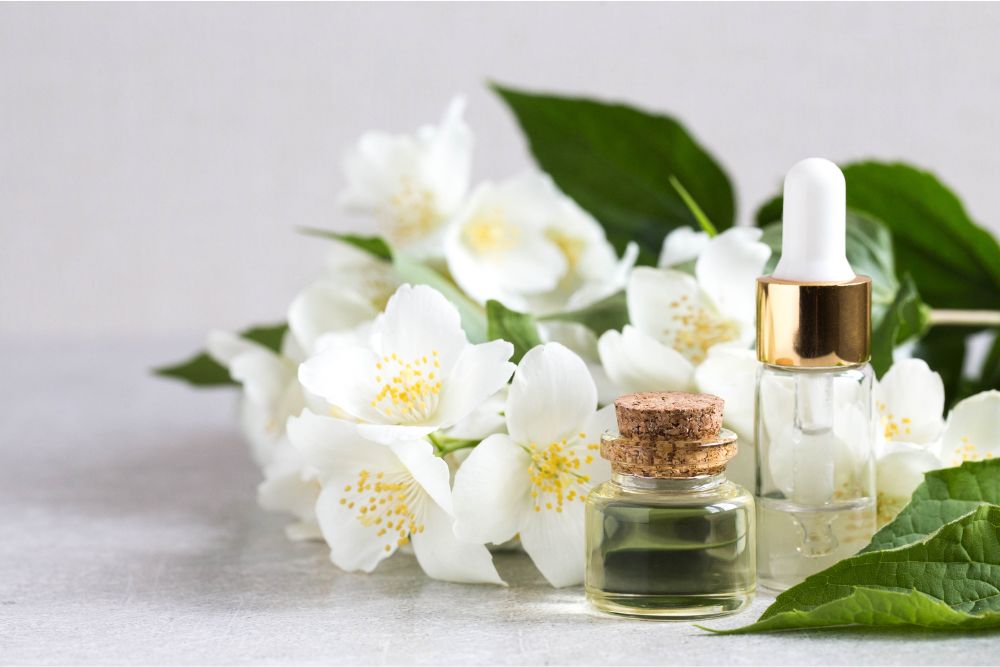
Essential oils were highly valued in the 19th century. They weren't just about fragrances, but about an entire ritual that expressed social status, refinement and aesthetic sensibility. Aromatic essences were part of cosmetic products, perfumes and home decorations.
Body Care and Personal Rituals
Women of the Victorian era placed great emphasis on elegance and gentleness. Essential oils were a common part of their dressing tables:
- scented soaps and creams with natural essences,
- hair oils for nourishment and shine,
- perfumed oil blends for evening social events,
- fragrant bathing rituals in luxurious baths.
Perfumery and the Art of Fragrances
The 19th century saw a tremendous boom in perfumery. Rare floral fragrances were symbols of wealth and femininity.
- Rose oil – beloved symbol of romance,
- Bergamot – foundation of elegant eau de cologne,
- Jasmine – luxurious ingredient for exceptional perfume compositions,
- Violet – popular for its delicate, powdery fragrance.
Aromatic rituals and home relaxation
Although the term "aromatherapy" did not yet exist at that time, people used fragrances intuitively for home comfort and relaxation.
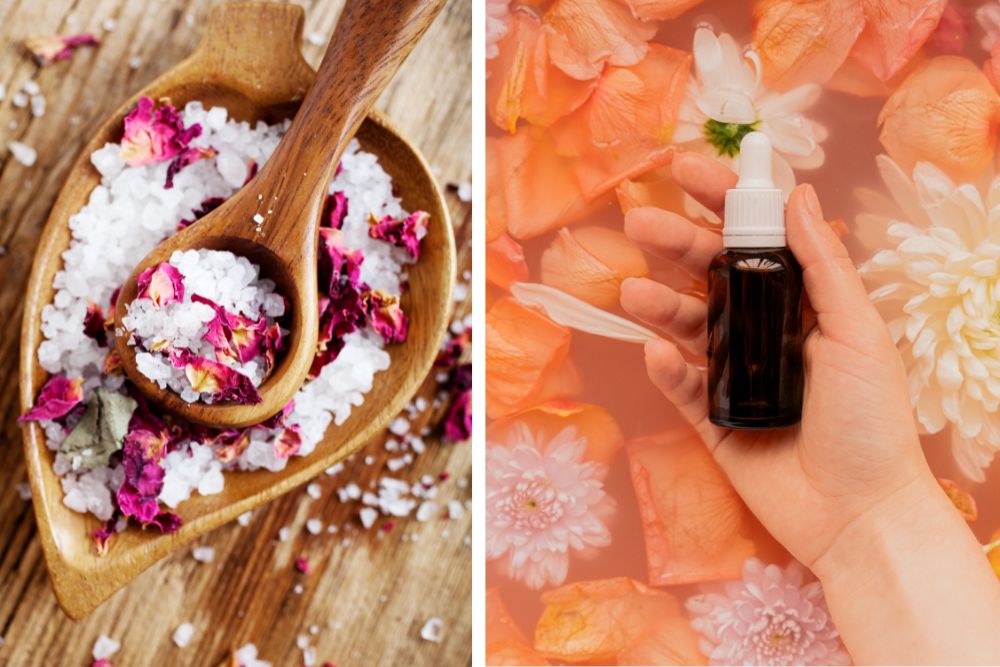
- fragrant oils in baths,
- massage oils for body rituals,
- scenting bedrooms before rest,
- using fragrances during festive household preparations.
💡 More about historical relaxation fragrances can be found in the article: Best essential oils for evening relaxation.
Essential oils as a symbol of luxury
Victorian society placed great emphasis on representation. Rare essential oils were expensive, and their presence in the household and cosmetics signalled high social standing. Decorative bottles made of crystal or hand-blown glass were commonly displayed on vanity tables or in drawing rooms.
Most Popular Essential Oils of the Victorian Era
| Essential Oil | Typical Role in That Period |
|---|---|
| Rose | Symbol of elegance and feminine nobility |
| Lavender | Part of evening rituals and cosmetics |
| Bergamot | Refreshing citrus note in perfumery |
| Sandalwood | Warm, woody fragrance for social events |
| Ylang-ylang | Perceived as a delicate and feminine scent |
How Victorian Households Scented Their Interiors
Victorian home interiors focused on detail. Fragrant essences helped create an environment that felt both luxurious and cozy.
- Aroma diffusers (oil lamps at the time) were part of the salons.
- Scented candles complemented the evening atmosphere.
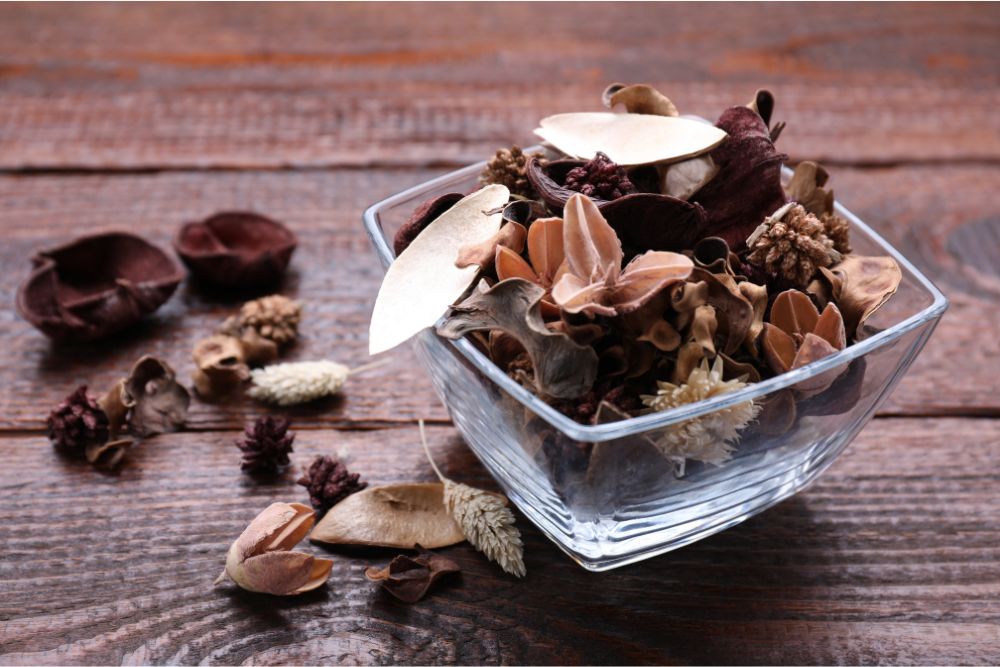
- Potpourri was placed on tables and vanity tables.
- Linen and cotton textiles were scented with a drop of oil.
How to Bring Victorian Elegance into Your Home
- Rose – for a romantic and elegant touch,
- Lavender – for evening rituals,
- Bergamot – light citrus nobility,
- Sandalwood – warm, woody aroma like from a Victorian salon.
Conclusion
Essential oils in the Victorian era were more than just fragrances. They were part of a lifestyle, a symbol of prestige, refinement and cultivated taste. In many ways, they defined the atmosphere of homes and personal rituals.
Want to experience a piece of Victorian elegance today? Try some natural essential oils and create an atmosphere at home that combines the nobility of the past with the comfort of the present.