
 Our products
 Aromatherapy - essential oils
 Essential oils
 Aroma lamps
 Aroma Diffusers
 Seeds
 Vegetables
 Herbs and spices
 Ornamental Plant Seeds
 Grass mixtures
 Sprouts and microgreens
 Growing supplies
 Cultivation and Gardening Supplies
 Hydroponics and indoor growing
 Protective equipment and gardening tools
 Exotic plants
 Exotic Fruit and Vegetables
 Exotic herbs
 Exotic trees and shrubs
 Ornamental exotic plants
 Roasted coffee
 Espresso coffee
 Ecological coffee preparation
 Thermal mugs and coffee cups
 Aeropress
 Thermos flasks and thermal mugs for coffee and tea
 Moka pot
 Filter coffee
 Coffee blends
 Accessories for coffee makers
 Water filtration
 Coffee grinders
 Cleaning the Coffee Maker
 Ecological Cleaning of Coffee Machines
 Coffee makers
 Coffee Preparation
 Coffee Accessories
 Food products
 For wildlife and pets
 Chocolate and others
 Hemp food products
 Natural cosmetics
 Hemp cosmetics
 Smoking supplies
 Bongs - water pipes
 Blunts and tubes
 E-liquids with Terpenes and CBD
 Grinders and Mills
 Papers and filters
 Smoking accessories
 Vaporizers
 Air fresheners
 CBD and CBG products
 CBD sprays
 CBD and CBN crystals
 CBD body and facial care
 Weeds
 CBD suppositories and capsules
 CBD oils and drops
 CBG oils and drops
 House and garden
 Fashion and Decoration
 Kitchen essentials and cooking
 Christmas Decorations and Accessories
 Gift Sets
 Bird feeders
 Seasonal and Special Tools
Not sure how to recognise truly quality essential oils? There are many brands on the market and the differences between them can be significant. In this article, we'll go through the key factors that will help you identify quality with confidence – plant origin, extraction method, certifications, chemical composition, and proper storage.
Thanks to this, you'll be able to choose oils that have verified origin, pure composition, and meet the standards traditionally followed in aromatherapy.
Not sure how to recognize truly high-quality essential oils? There are plenty of brands on the market and the differences between them can be significant. In this article, we'll look at the key factors that can help you better assess quality – from the origin of plants and extraction methods to certifications, chemical composition, and proper storage.
We'll show you practically what to focus on when reading labels and product descriptions. Thanks to this, you'll have greater confidence that you're choosing essential oils with verified origin, pure composition, and parameters that are traditionally monitored in aromatherapy.
Table of Contents
- Origin and Organic Cultivation of Quality Essential Oils
- Essential Oil Extraction Methods
- Certification and Quality Control
- What Affects the Composition and Properties of Essential Oils
- Synergistic Combinations of Essential Oils
- How to Properly Store Essential Oils
- In Conclusion: When Quality Smells Right from the First Sniff
- Frequently Asked Questions (FAQ)
Origin and Organic Cultivation of Quality Essential Oils
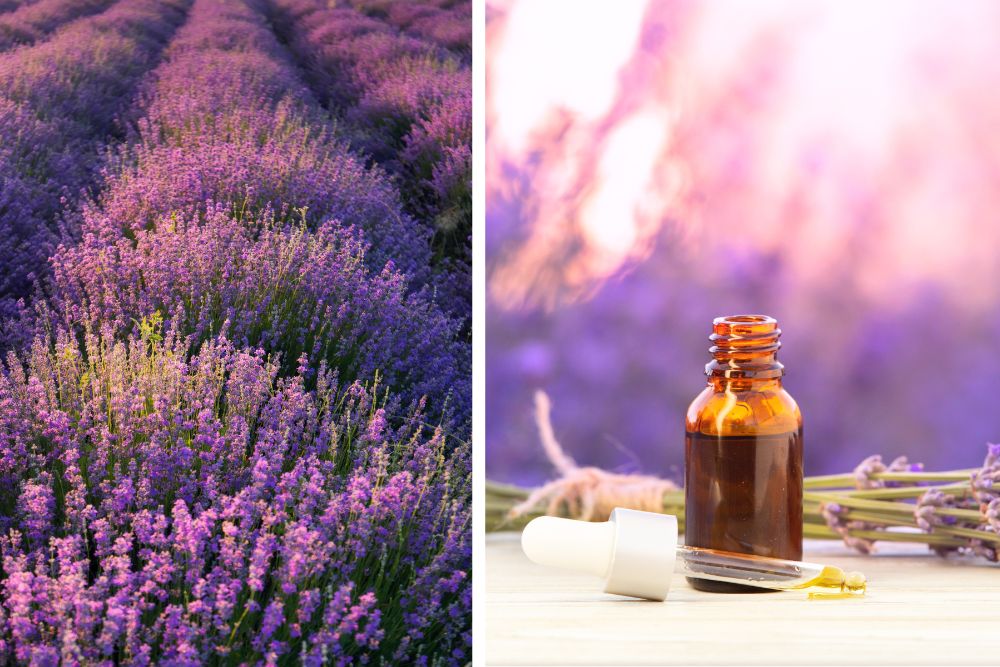
A quality essential oil starts with the plant. Literally. Important factors include:
- Origin and botanical species: Each plant has a different composition – for example, true lavender differs in chemical profile from spike lavender.
- Growing conditions: Sunlight, soil composition, or altitude influence the aromatic profile of plants.
- Organic methods: Oils from plants grown without unnecessary use of pesticides and synthetic chemicals tend to be purer and more environmentally friendly.
💡 Did you know that some brands even specify the particular region where the plants were harvested? That's always a good sign – it demonstrates transparency and traceable origin.
Essential Oil Extraction Methods
The method by which the oil is obtained has a fundamental impact on its quality and resulting scent. The most common methods include:
| Method | Use and Benefits |
|---|---|
| Steam distillation | Traditional, gentle method suitable for most herbs and flowers, preserves the plant's characteristic aroma. |
| Citrus pressing | Mainly used on citrus fruit peel, resulting in fresh oils with a distinctive fruity aroma. |
| Supercritical CO₂ extraction | Modern method without residual solvents, provides very pure output with a rich aromatic profile. |
Want to learn more about how oils are actually produced? 🌿 The secrets of distillation will reveal the entire process step by step.
Certification and Quality Control
Not every oil that smells nice is automatically high quality. It's important that it has been tested and meets clearly defined standards. What's worth checking?
- ISO standards: For example, ISO 9001 or ISO 17025 relate to quality management and laboratory testing.
- GC/MS analysis: Used to determine the chemical profile of the oil – ideally, results should be available to consumers.
- Organic certifications: Look for marks such as ECOCERT, USDA Organic or Soil Association, which relate to organic farming.
🧪 If you find information on the label such as "100% pure", the botanical name of the plant or the stated chemotype, you're on the right track – the brand is demonstrating an emphasis on transparency.
Interested in how standards and testing affect final quality? Learn more about how certifications ensure the quality of essential oils.
What Affects the Composition and Properties of Essential Oils
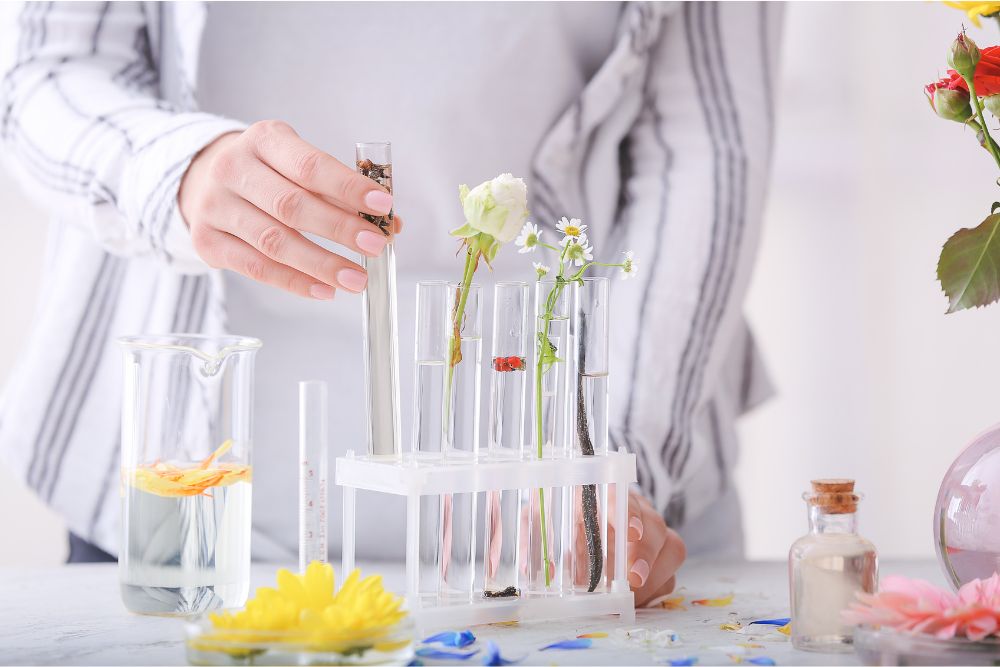
One of the main quality indicators is the so-called chemical profile – that is, which aromatic compounds the oil contains and in what ratio.
- Terpenes such as limonene, linalool or eucalyptol contribute to the characteristic fragrance of essential oils. They are often associated with traditional uses in aromatherapy.
- Phenols, esters or ketones are natural compounds that give oils their specific character. In natural care and aromatherapy, they are typically used to support a pleasant atmosphere and sensory perception.
- Combination of substances: A blend of natural components often works more complexly than individual isolated substances – this effect is called synergy.
Synergistic Combinations of Essential Oils
Did you know that a properly chosen combination of essential oils can significantly change their perception? This is called synergy – individual fragrances complement each other and create a new sensory experience.
- Lavender + peppermint: A popular combination for a relaxing atmosphere and feeling of freshness.
- Tea tree + lemon: A refreshing classic for home cleansing and scenting the environment.
- Ylang-ylang + orange: A blend often associated with a sense of calm and pleasant, harmonious atmosphere.
If you are just starting with essential oils, our guide to using essential oils will be useful.
How to Store Essential Oils Properly
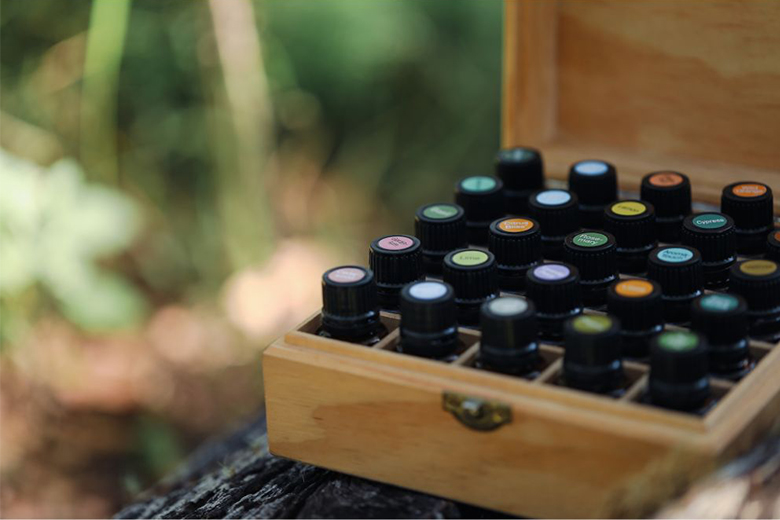
Proper storage extends the lifespan of oils and helps maintain their aroma in the best possible condition. Follow these principles:
- Darkness and cool temperature: Ideally below 25 °C, away from direct sunlight and heating.
- Dark glass: Bottles made of amber or cobalt glass protect oils from UV radiation.
- Well sealed: Oxygen accelerates oxidation – always close the cap carefully.
- Dry place: Oils don't like moisture or frequent temperature fluctuations.
In Conclusion: When Quality Speaks at First Sniff
When selecting essential oils, it pays to go deeper – it's not just about a pleasant scent, but also about the origin of the plants, the extraction method, purity, and how you store the oil at home.
If you focus on the botanical name, origin, extraction method, certifications, and transparently shared tests, you'll gain greater confidence that you're choosing a quality product. One that fits well into your everyday aroma rituals, home fragrance, and personal wellbeing.
💚 Whether you're looking for oils for relaxation, invigoration, or a pleasant atmosphere throughout the day, choose those that have a clear origin, have undergone testing, and meet strict quality standards.
Because quality in essential oils isn't just a bonus – it's the foundation.
Looking for specific tips on blends that support a calm atmosphere at home? Get inspired by the selection of essential oils popular in relaxation rituals or treat yourself to a home relaxation massage with gentle scent combinations.
Frequently Asked Questions (FAQ)
Internal use of essential oils requires professional guidance and is not intended for self-medication. In regular home practice, we recommend using oils primarily for scenting spaces, in diffusers, aroma lamps, or in blends for external use according to the manufacturer's recommendations.