
 Our products
 Aromatherapy - essential oils
 Essential oils
 Aroma lamps
 Aroma Diffusers
 Seeds
 Vegetables
 Herbs and spices
 Ornamental Plant Seeds
 Grass mixtures
 Sprouts and microgreens
 Growing supplies
 Cultivation and Gardening Supplies
 Hydroponics and indoor growing
 Protective equipment and gardening tools
 Exotic plants
 Exotic Fruit and Vegetables
 Exotic herbs
 Exotic trees and shrubs
 Ornamental exotic plants
 Roasted coffee
 Espresso coffee
 Ecological coffee preparation
 Thermal mugs and coffee cups
 Aeropress
 Thermos flasks and thermal mugs for coffee and tea
 Moka pot
 Filter coffee
 Coffee blends
 Accessories for coffee makers
 Water filtration
 Coffee grinders
 Cleaning the Coffee Maker
 Ecological Cleaning of Coffee Machines
 Coffee makers
 Coffee Preparation
 Coffee Accessories
 Food products
 For wildlife and pets
 Chocolate and others
 Hemp food products
 Natural cosmetics
 Hemp cosmetics
 Smoking supplies
 Bongs - water pipes
 Blunts and tubes
 E-liquids with Terpenes and CBD
 Grinders and Mills
 Papers and filters
 Smoking accessories
 Vaporizers
 Air fresheners
 CBD and CBG products
 CBD sprays
 CBD and CBN crystals
 CBD body and facial care
 Weeds
 CBD suppositories and capsules
 CBD oils and drops
 CBG oils and drops
 House and garden
 Fashion and Decoration
 Kitchen essentials and cooking
 Christmas Decorations and Accessories
 Gift Sets
 Bird feeders
 Seasonal and Special Tools
Diffusers are among the most popular ways to create a relaxing atmosphere at home using essential oils. Not only do they naturally scent your interior, but they also bring potential benefits for your health and mental wellbeing. In this article, we'll look at what types of diffusers exist, how to choose the right one, and how to use them correctly and safely.
Diffusers are among the most popular ways to create a relaxing atmosphere at home using essential oils. Not only do they naturally scent your interior, but they also bring potential benefits for health and mental well-being. In this article, we'll explore what types of diffusers exist, how to choose the right one, and how to use them correctly and safely.
Contents
Introduction to the World of Diffusers
Types of Diffusers and Their Features
How to Choose the Right Diffuser
Introduction to the World of Diffusers
A clean and pleasant home doesn't necessarily require chemical air fresheners. Nature offers us a gentler and more harmonious path to creating atmosphere – through essential oils and their dispersion via diffusers.
Aromatherapy through diffusers offers a gentle alternative to traditional space fragrance methods. Unlike candles or incense sticks, they don't produce smoke or open flame, making them safer for home use.
Types of Diffusers and Their Features
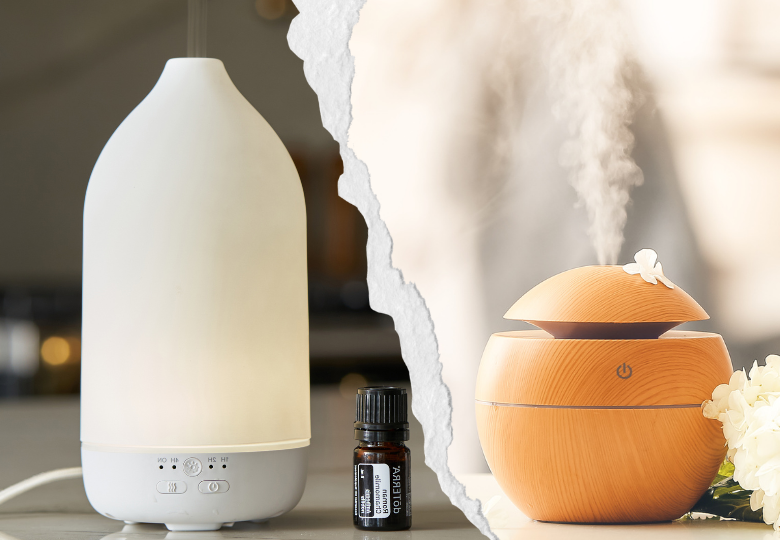
Ultrasonic Diffusers
Ultrasonic diffusers work using ultrasonic vibrations that disperse water mixed with essential oils in the form of fine mist. These popular devices represent an ideal combination of efficiency, safety, and affordability.
Advantages:
- Quiet operation – ideal for bedrooms and offices
- Air humidification – beneficial during winter months
- Energy efficiency – they don't use heat
- Safety – they use water and produce cool mist, making them safer to use around children and pets
- Affordable price and easy maintenance
Disadvantages:
- Diluting essential oils with water may reduce their intensity
- They require regular cleaning due to water deposits
Nebulizers (Atomizers)
Nebulizers disperse pure essential oils without using water by means of compressed air, which creates a fine oil spray. They are considered the most effective way to preserve all properties of essential oils.
Advantages:
- Maximum purity – no dilution with water
- Quick results – high oil output ensures immediate and noticeable results
- Wide coverage – suitable for larger spaces
- Preservation of therapeutic properties – no heat or water damages oil molecules
Disadvantages:
- Higher price
- Noisier operation compared to ultrasonic diffusers
- Higher consumption of essential oils
Heat Diffusers
These diffusers use heat to disperse essential oils. The oils are dropped onto a heated surface – ceramic or metal.
Advantages:
- Easy to use
- Low purchase price
- Quick fragrance dispersion in smaller spaces
Disadvantages:
- Heat may alter the therapeutic properties of the oil
- Risk of overheating or burning the oil
- Requires supervision during use
How to Choose the Right Diffuser
Room Size
For smaller spaces (up to 20 m²): A compact ultrasonic diffuser with a capacity of 100-200 ml is sufficient.
For larger rooms (20-40 m²): Ultrasonic diffusers cover larger areas thanks to the water used in the process, while nebulizers are ideal for intensive aromatization.
For very large spaces (over 40 m²): Nebulizers offer the best performance and coverage.
Operating Time and Controls
Timers and intervals: Modern diffusers offer adjustable timers (30 minutes to 8 hours) and interval modes.
Automatic shut-off: A safety feature that switches off the diffuser when water runs low.
Remote control: Convenient for operating from the comfort of your bed or sofa.
Design and Materials
Choose a diffuser that complements your interior. It's important to select a model with a reservoir made of ceramic or glass, not plastic, which can be corroded by essential oils.
Proper Use of Diffusers
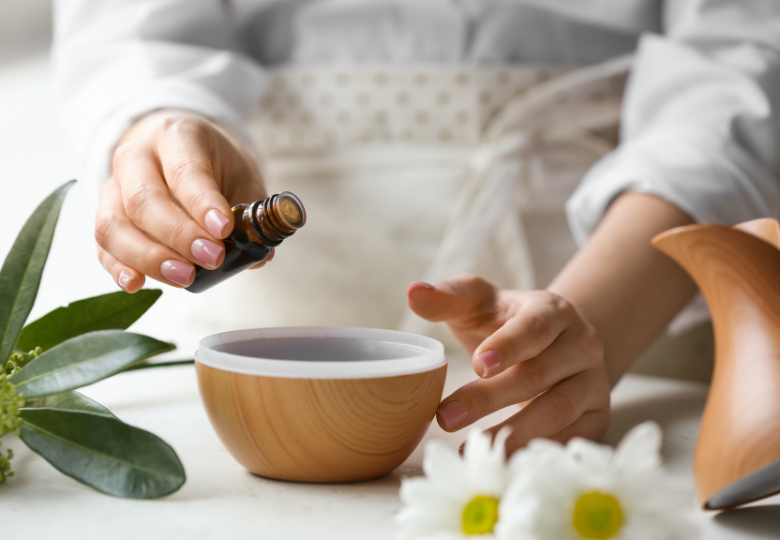
Dosage of Essential Oils
Basic rule: 3-5 drops of essential oil per 100 ml of water for ultrasonic diffusers.
For beginners: Start with 2-3 drops and gradually increase as needed.
For nebulizers: Follow the manufacturer's instructions – usually 5-15 drops depending on the size of the space.
Operating Time
Recommended duration: 30 minutes to 2 hours in one cycle.
Breaks: After use, it's advisable to take a break to allow your body to rest.
Interval mode: 30 minutes on, 30 minutes off – ideal for long-term use.
Diffuser Placement
- Stable surface away from direct sunlight
- Height 60-100 cm above the ground for optimal dispersion
- Distance from electronics (minimum 50 cm)
- Out of reach of children and pets
Ventilation
When using the diffuser, ensure adequate ventilation in the room. A gentle breeze helps distribute the fragrance evenly.
Safety and Maintenance
Safety Precautions
When working with essential oils:
- Always read the manufacturer's instructions
- Always perform a patch test before trying a new essential oil
- Keep oils out of reach of children
- Children under 2 years should not be exposed to essential oils
Pets: If you have any animals at home, it's essential to consult with a veterinarian before using an essential oil diffuser. Some oils can be toxic to animals.
Pregnancy and breastfeeding: Consult the use of essential oils with your doctor.
Diffuser Maintenance
Daily care:
- Empty remaining water after each use
- Wipe the inside with a dry cloth
Weekly cleaning:
- Clean the container with a mixture of water and white vinegar (1:1)
- Let it sit for 5-10 minutes, then rinse
- Clean the ultrasonic plate with a soft brush
Monthly maintenance:
- Thorough descaling using citric acid
- Check all functions and cleanliness of the air duct
Tips for Maximum Effect
Most Effective Essential Oils
For relaxation and sleep: lavender, bergamot, ylang-ylang
For energy and concentration: peppermint, eucalyptus, citrus oils
For air purification: tea tree, rosemary, thyme
Essential Oil Blends
Relaxing blend: 3 drops lavender + 2 drops bergamot + 1 drop ylang-ylang
Energizing blend: 2 drops peppermint + 3 drops lemon + 1 drop eucalyptus
Purifying blend: 3 drops tea tree + 2 drops rosemary + 1 drop lavender
Conclusion
Essential oil diffusers represent a safe and effective way to create a pleasant atmosphere at home. Choose the right one according to your space, needs, and the scent that makes you feel good. Aromatherapy can thus become a pleasant part of everyday life.
Remember safety – always follow recommended dosage, ensure adequate ventilation, and consult an expert if you have any doubts. A properly used diffuser can become your faithful companion on the path to relaxation, better sleep, and overall well-being.
🔍 Related articles:
- Safe Use of Essential Oils
🌿 Recommended products:
- Peppermint oil
- Essential oils
- Lavender oil
- Aroma diffusers