
 Our products
 Aromatherapy - essential oils
 Essential oils
 Aroma lamps
 Aroma Diffusers
 Seeds
 Vegetables
 Herbs and spices
 Ornamental Plant Seeds
 Grass mixtures
 Sprouts and microgreens
 Growing supplies
 Cultivation and Gardening Supplies
 Hydroponics and indoor growing
 Protective equipment and gardening tools
 Exotic plants
 Exotic Fruit and Vegetables
 Exotic herbs
 Exotic trees and shrubs
 Ornamental exotic plants
 Roasted coffee
 Espresso coffee
 Ecological coffee preparation
 Thermal mugs and coffee cups
 Aeropress
 Thermos flasks and thermal mugs for coffee and tea
 Moka pot
 Filter coffee
 Coffee blends
 Accessories for coffee makers
 Water filtration
 Coffee grinders
 Cleaning the Coffee Maker
 Ecological Cleaning of Coffee Machines
 Coffee makers
 Coffee Preparation
 Coffee Accessories
 Food products
 For wildlife and pets
 Chocolate and others
 Hemp food products
 Natural cosmetics
 Hemp cosmetics
 Smoking supplies
 Bongs - water pipes
 Blunts and tubes
 E-liquids with Terpenes and CBD
 Grinders and Mills
 Papers and filters
 Smoking accessories
 Vaporizers
 Air fresheners
 CBD and CBG products
 CBD sprays
 CBD and CBN crystals
 CBD body and facial care
 Weeds
 CBD suppositories and capsules
 CBD oils and drops
 CBG oils and drops
 House and garden
 Fashion and Decoration
 Kitchen essentials and cooking
 Christmas Decorations and Accessories
 Gift Sets
 Bird feeders
 Seasonal and Special Tools
Does your child have trouble falling asleep? Aromatherapy offers a gentle way to create a calming evening atmosphere using essential oils. Scents like lavender or chamomile help induce relaxation and support healthy children's sleep.
Discover how to safely use this natural method at home.
In short: Essential oils such as lavender or chamomile can support a calming bedtime routine, but most experts advise against using them for children under 3. Always dilute to a maximum of 1-2 drops per 10 ml of carrier oil, run a diffuser 15-20 minutes before bed and keep the bedroom at 18-20 °C.
| Minimum age | Not recommended under 3 years; ages 3-6 only selected oils in very low concentrations |
|---|---|
| Dilution ratio | Max. 1-2 drops of essential oil per 10 ml of carrier oil (almond, jojoba) |
| Skin sensitivity test | Small skin area, monitor reaction for 24 hours before first use |
| Diffuser timing | 15-20 minutes before bedtime |
| Bath | 2-3 drops of the diluted blend in a warm bath |
| Bedroom temperature and screens | 18-20 °C; electronics off at least 1 hour before sleep |
Is your child having trouble falling asleep? Aromatherapy offers a gentle way to create a calming evening atmosphere using essential oils. Scents like lavender or chamomile help induce relaxation and support healthy children's sleep. Discover how to safely use this natural method at home.
Contents
- Introduction
- Causes of Sleep Problems in Children
- How Aromatherapy Can Help
- Most Effective Essential Oils for Children's Sleep
- Safe Use of Essential Oils with Children
- Practical Aromatherapy Blends for Children
- Application Methods
- Additional Sleep Support Tips
- Conclusion
Introduction
Quality sleep is fundamental to healthy child development, affecting their immune system, cognitive functions, and emotional balance. If your child struggles with falling asleep or frequent waking, aromatherapy blends can offer gentle and natural support for peaceful children's sleep. Essential oils used in aromatherapy can potentially promote relaxation and create an environment conducive to rest.
In this article, you'll learn how to safely harness the power of sleep oils and create home aromatherapy for children that can help with better falling asleep and deeper sleep for your little ones.
Causes of Sleep Problems in Children

Sleep problems in children can have various causes. Studies suggest that up to 40% of children experience occasional difficulties with falling asleep or sleep quality. The most common reasons include:
Stress and anxiety: Children may be affected by school obligations, family changes, or social situations. These factors can contribute to hyperactivity of the nervous system before bedtime.
Inappropriate sleep environment: An excessively noisy or bright environment, unsuitable temperature, or uncomfortable bedding can disrupt the natural sleep ritual.
Bad habits: Irregular sleep patterns or excessive use of electronic devices before bedtime can disrupt the production of the sleep hormone melatonin and naturally affect the sleep cycle.
Emotional factors: Nightmares, fear of the dark, or separation anxiety can significantly affect the quality of children's sleep.
How aromatherapy can help
Essential oils can, according to studies, help improve sleep quality through several mechanisms. Recent research published in the journal Scientific Reports showed that inhalation of lavender oil can positively influence brain activity during sleep and contribute to deeper rest.
Calming effects: Many essential oils have the potential to help reduce stress and anxiety, which are often associated with sleep problems in children.
Supporting relaxation: Oils such as lavender, peppermint, and ylang-ylang can help release tension and prepare the body for rest.
Creating positive associations: Regular use of lavender oil for children as part of an evening ritual can create a positive connection with bedtime.
Most effective essential oils for children's sleep
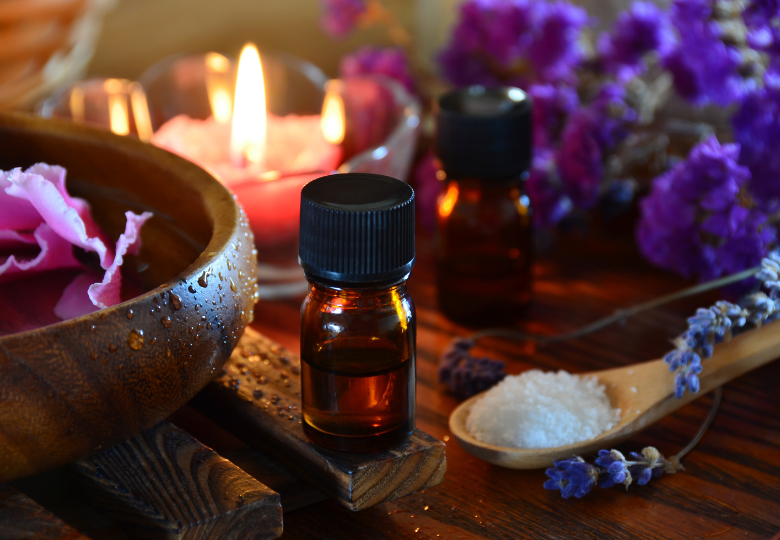
🌺 Lavender (Lavandula angustifolia)
Lavender is considered one of the safest options for children's aromatherapy. Research suggests it may contribute to calming the nervous system and promoting better quality sleep. Lavender oil is popular for its gentle, floral scent.
🌺 Roman chamomile (Chamaemelum nobile)
Chamomile has potential to help with calming according to traditional use and may support better falling asleep in sensitive children.
🌺 Mandarin (Citrus reticulata)
Citrus oils, especially mandarin, may contribute to positive mood and gentle calming before bedtime.
🌺 Ylang-Ylang (Cananga odorata)
Ylang-ylang has potential to help with stress and tension reduction.
Safe Use of Essential Oils for Children
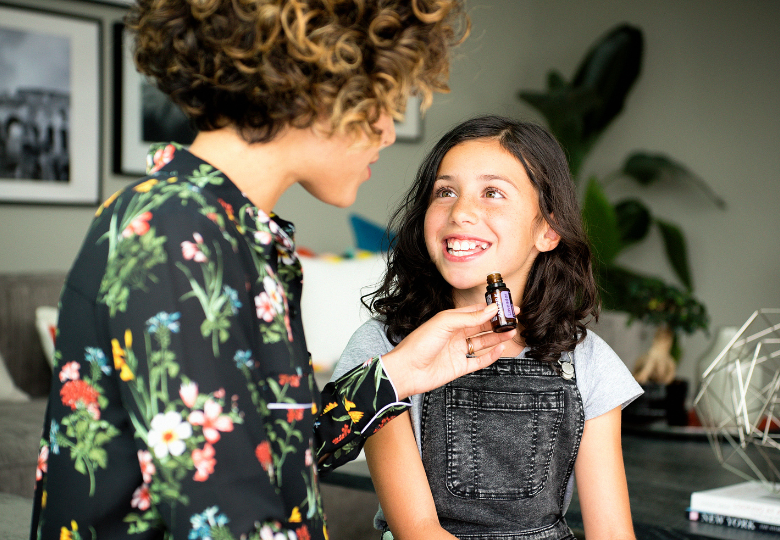
When using natural sleep support with essential oils for children, safety is the absolute priority. Experts from children's hospitals recommend the following guidelines:
- Age restrictions: Most experts don't recommend using essential oils for children under 3 years. For children aged 3 to 6, use only selected oils in very low concentrations.
- Always dilute: Never apply essential oils directly to children's skin. Always dilute them in carrier oil (almond, jojoba) at a ratio of maximum 1-2 drops of essential oil per 10 ml of carrier oil.
- Sensitivity test: Before first use, perform a test on a small area of skin and monitor the reaction for 24 hours.
- Quality products: Use only pure, quality essential oils from verified suppliers.
- Consultation with an expert: When in doubt, always consult with a paediatrician or qualified aromatherapist.
Practical Aromatherapy Blends for Children
😴 "Sweet Dreams" Blend (from 3 years)
- Lavender (3 drops): may help promote calmness
- Mandarin (2 drops): may help support a positive mood
- 10 ml carrier oil (almond or jojoba)
🛏️ "Peaceful Evening" Blend (from 6 years)
- Ylang-ylang (2 drops): may help release tension
- Roman chamomile (2 drops): has potential to support relaxation
- Lavender (1 drop): for gentle calming
- 10 ml carrier oil
🌙 "Night Comfort" Blend for Aroma Lamp
- Lavender (2 drops)
- Mandarin (1 drop)
- Add to aroma lamp with water
Application Methods
Inhalation Using a Diffuser: Use a diffuser or aroma lamp 15-20 minutes before bedtime. This method may help create a calming atmosphere in the child's room.
Relaxation Bath: Add 2-3 drops of diluted blend to a warm bath. A bath with a lavender blend may, according to parents' experience, help support better falling asleep.
Gentle Massage: Apply a few drops of diluted blend to the child's feet or back and gently massage in. This method may combine physical relaxation with aromatic effects.
Drop on pillow: Apply one drop of diluted oil to the edge of the pillow (not directly under the head) for a gentle aroma during the night.
Additional Tips for Sleep Support
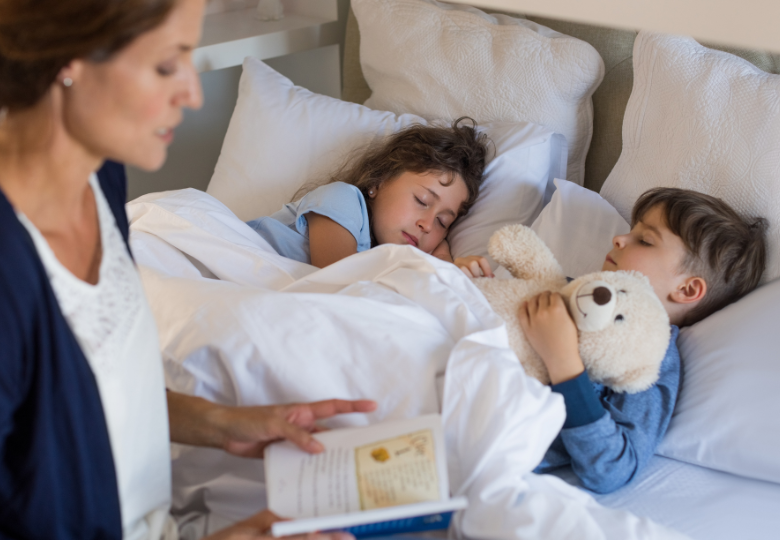
💡 Regular sleep rituals: Create a consistent evening routine that may include a warm bath, reading, or quiet music listening.
💡 Sleep rituals according to research help children better prepare for rest.
💡 Optimal environment: Maintain bedroom temperature at 18-20°C, use dimmed lighting and minimize noise. Air out rooms before sleep.
💡 Screen limitation: Turn off all electronic devices at least one hour before sleep, as blue light can affect melatonin production.
💡 Relaxation activities: Try gentle stretching exercises, breathing exercises adapted to the child's age, or quiet meditation.
Conclusion
Aromatherapy blends can be a valuable addition when creating a favorable sleep environment for children. Research suggests that properly used essential oils have the potential to promote relaxation and improve sleep quality. The key to success, however, is always safe use, respecting age recommendations and the individual needs of each child.