
 Our products
 Aromatherapy - essential oils
 Essential oils
 Aroma lamps
 Aroma Diffusers
 Seeds
 Vegetables
 Herbs and spices
 Ornamental Plant Seeds
 Grass mixtures
 Sprouts and microgreens
 Growing supplies
 Cultivation and Gardening Supplies
 Hydroponics and indoor growing
 Protective equipment and gardening tools
 Exotic plants
 Exotic Fruit and Vegetables
 Exotic herbs
 Exotic trees and shrubs
 Ornamental exotic plants
 Roasted coffee
 Espresso coffee
 Ecological coffee preparation
 Thermal mugs and coffee cups
 Aeropress
 Thermos flasks and thermal mugs for coffee and tea
 Moka pot
 Filter coffee
 Coffee blends
 Accessories for coffee makers
 Water filtration
 Coffee grinders
 Cleaning the Coffee Maker
 Ecological Cleaning of Coffee Machines
 Coffee makers
 Coffee Preparation
 Coffee Accessories
 Food products
 For wildlife and pets
 Chocolate and others
 Hemp food products
 Natural cosmetics
 Hemp cosmetics
 Smoking supplies
 Bongs - water pipes
 Blunts and tubes
 E-liquids with Terpenes and CBD
 Grinders and Mills
 Papers and filters
 Smoking accessories
 Vaporizers
 Air fresheners
 CBD and CBG products
 CBD sprays
 CBD and CBN crystals
 CBD body and facial care
 Weeds
 CBD suppositories and capsules
 CBD oils and drops
 CBG oils and drops
 House and garden
 Fashion and Decoration
 Kitchen essentials and cooking
 Christmas Decorations and Accessories
 Gift Sets
 Bird feeders
 Seasonal and Special Tools
Which scents will help you enhance your evening relaxation and which ones will give you fresh energy during the day? Discover herbal essential oils that will fragrance your home and support your aromatherapy rituals. Simple recipes and tips for their safe use await you.
In short: Herbal essential oils are used to scent rooms and support relaxation rituals – lavender and chamomile for calming, peppermint and grapefruit for freshness. Always dilute them in a carrier oil, for example 5–7 drops of eucalyptus in 2 teaspoons of jojoba oil. After citrus oils, avoid direct sunlight for at least 12 hours.
| Relaxing diffuser blend | 3 drops lavender + 2 drops peppermint + 2 drops ylang-ylang |
|---|---|
| Energising room spray | 10–15 drops lemon or grapefruit oil mixed with water |
| Relaxing massage oil | 5–7 drops eucalyptus + 2 teaspoons jojoba oil |
| Relaxing bath blend | 5–7 drops lavender + 1 cup Epsom salt or carrier oil |
| After citrus oils | Avoid direct sunlight for at least 12 hours |
| Before first skin use | Patch test on a small area, e.g. inner forearm |
The scent of herbs can change the atmosphere of a room in just a few seconds – a hectic day suddenly becomes a calmer evening, a workspace transforms into a cozy home. This is the foundation of the popularity of herbal essential oils, which have been used for centuries to create pleasant environments, home aromatherapy, and small relaxation rituals.
Whether you're looking for a way to slow down after a demanding day, gentle invigoration, or scents that help you better tune your home, you can choose from a wide range of herbs and blends. In this article, we'll introduce you to the most commonly used herbal essential oils, their main uses, the scents and atmosphere they create, and the safety guidelines that are good to follow.
Table of Contents
- Most Commonly Used Herbal Essential Oils
- Effects of Herbal Essential Oils on the Body
- Effects of Herbal Essential Oils on the Mind
- Practical Uses of Essential Oils
- Guides and Recipes for Aromatic Blends
- Safe Use of Essential Oils
- What Essential Oils Cannot Do
- FAQ – Frequently Asked Questions
- Conclusion: Why Essential Oils Are Worth Trying
Most Commonly Used Herbal Essential Oils
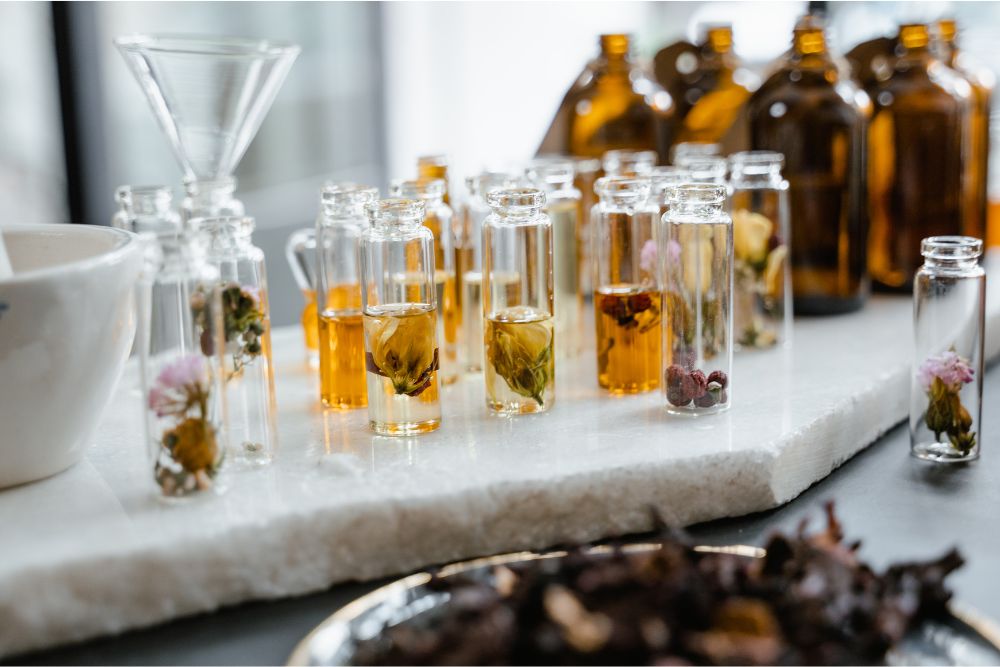
Among the popular essential oils used for aromatherapy or home relaxation rituals are especially the herbal ones – they have a distinctive, often refreshing or calming scent and blend well into mixtures.
- Lavender – traditionally used to calm the evening atmosphere, support rest and release tension after a demanding day.
- Peppermint – known for its refreshing, "awakening" scent, which is often associated with a feeling of freshness and gentle invigoration.
- Citronella – distinctive herbal-citrus fragrance, popular in summer for scenting terraces and outdoor seating areas, also known as a component of insect-repelling blends.
- Eucalyptus – intense, clean scent that is often used to create a feeling of fresh, "well-ventilated" environment and crisp air.
- Ylang-ylang – sweet floral fragrance that is associated in aromatherapy with a sense of emotional balance and gentle calming.
If you're just starting with essential oils, lavender or gentle citrus and herbal scents (e.g. grapefruit, mint) are often a good choice – they are versatile and work well both in diffusers and evening rituals.
Effects of Herbal Essential Oils on the Body
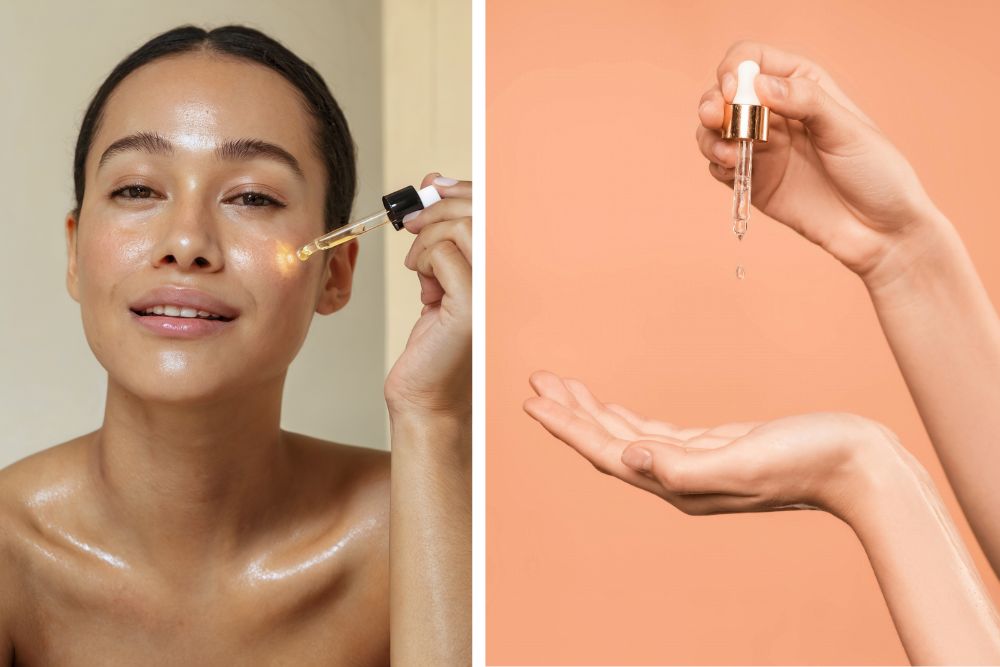
Herbal essential oils are often used as part of natural skin care and home rituals that contribute to a sense of comfort and wellbeing. Their fragrance can support the perception of freshness, relaxation or calming.
- Fragrances used in skincare – oils such as lavender, tea tree or eucalyptus are popular in natural cosmetics for their aroma, which is often associated with calming and comfort, especially when the skin feels tense or reddened.
- Supporting the feeling of a clean environment – thyme and oregano stand out with their distinctive, "sharper" scent, which is traditionally used in home natural care to create a feeling of freshness and cleanliness indoors.
- Soothing aroma in skincare – lemon balm and lavender are a common part of natural cosmetics; their gentle fragrance is perceived as pleasant, especially when caring for sensitive or stressed skin.
- Care for skin exposed to external influences – herbs such as sage are valued for their aroma and are used in preparations designed for skin stressed by urban environments or weather changes.
- Fragrances supporting muscle and body relaxation – basil and chamomile are traditionally associated with a feeling of relaxation; their gentle aroma is popular in massage oils and bath blends for evening relaxation.
Effects of herbal essential oils on the mind
Aromatherapy works mainly with how fragrances affect our psyche – they remind us of memories, slow down our pace or, conversely, bring more clarity and energy. The same fragrances may work slightly differently for each person, but some directions are generally perceived similarly.
- Relaxing scents – lavender and peppermint are among the popular oils whose aroma is often associated with a sense of calm, relaxation and slowing down after a hectic day.
- Scents for emotional balance – sage, bergamot and geranium are used in aromatherapy for their gentle, harmonizing aroma, which may contribute to a sense of inner peace.
- Uplifting scents – peppermint and grapefruit are known for their fresh aroma, which is often associated with vitality, gentle invigoration and support for concentration.
- Scents for better mood – ylang-ylang and bergamot are valued for their sweet, rounded fragrance, which is often perceived as supporting positive mood and a sense of joy.
Using essential oils in practice
You can incorporate essential oils into your daily routine in several simple ways – without complicated rituals and special equipment.
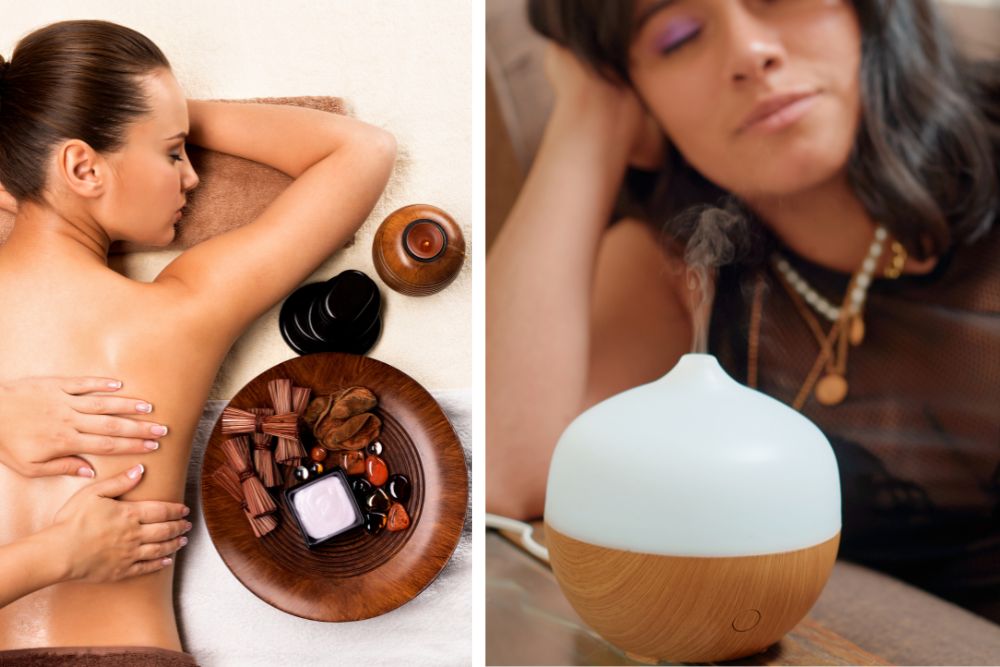
- Diffuser or aroma lamp – for scenting a room, creating a pleasant atmosphere during rest, reading or evening relaxation.
- Massage – in combination with carrier oil, fragrance adds another dimension to touch and helps perceive body and mind as one whole.
- Bath – an aromatic bath is a favourite ritual after a demanding day; always mix the oil with carrier oil or salt, never add it to water undiluted.
- Inhalation – a few drops on a handkerchief, pillow or in a bowl of warm water can enhance relaxation, reading or evening meditation.
Guides and Recipes for Aromatic Blends
Aromatherapy for Diffusers
- Relaxing diffuser blend: 3 drops of lavender oil, 2 drops of peppermint oil and 2 drops of ylang-ylang oil. Suitable for evening calming before sleep.
- Energising room spray: 10–15 drops of lemon or grapefruit oil mixed with water in a spray bottle – ideal for refreshing a study or living room.
Massages
- Relaxing massage oil: 5–7 drops of eucalyptus oil + 2 teaspoons of jojoba oil, gently massage into muscles after sport or long sitting.
- Harmonising massage oil: 4 drops of lavender oil, 3 drops of ylang-ylang, 2 drops of bergamot oil + 2 teaspoons of almond oil – for evening neck and shoulder massage.
Baths
- Relaxing bath blend: 5–7 drops of lavender oil mixed with 1 cup of Epsom salt or carrier oil – only then add to the bath.
- Refreshing bath blend: 4 drops of peppermint oil, 3 drops of grapefruit oil, 2 drops of rosemary oil + 1 cup of sea salt or vegetable oil.
Safe Use of Essential Oils
Essential oils are highly concentrated substances. To ensure their use is pleasant and safe, it is important to follow a few basic rules.
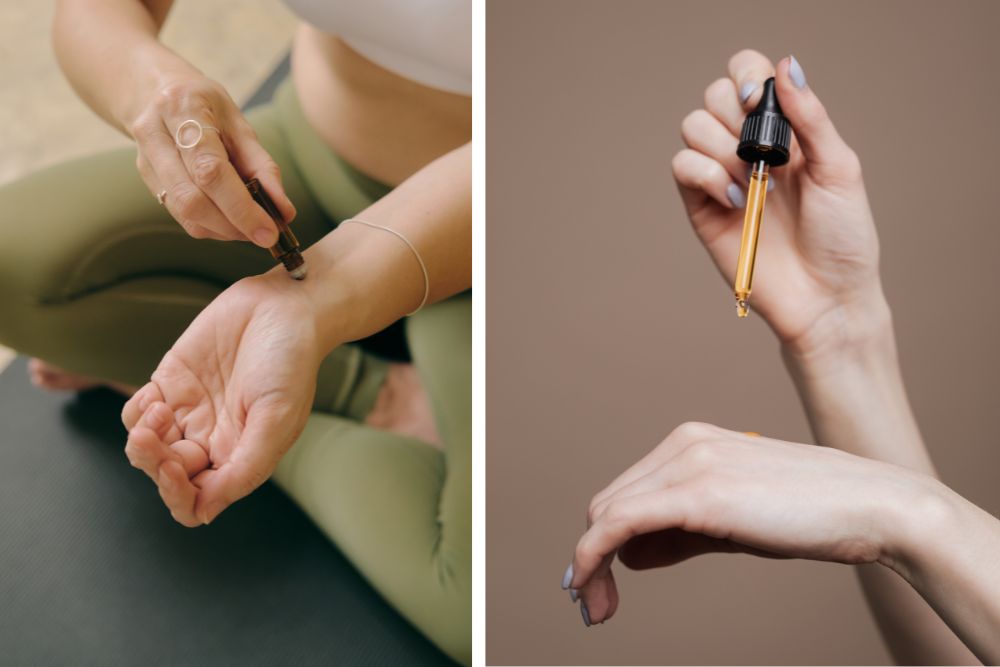
- Always dilute oils in a carrier oil – direct contact with skin may cause irritation, especially in sensitive individuals.
- Before first use, perform a patch test on a small area of skin (e.g., inner forearm).
- Citrus oils and some others may increase sun sensitivity – after application, avoid direct sunlight for at least 12 hours.
- During pregnancy, breastfeeding, or with chronic conditions, always consult an aromatherapy specialist or doctor.
- Do not ingest oils unless explicitly recommended by a qualified professional.
- Store them out of reach of children and pets, ideally in a dark, cool place.
- Avoid contact with eyes, mucous membranes, and open wounds.
What Essential Oils Cannot Do
Good to know: Essential oils are not medicines and do not replace professional medical care. They can enhance the atmosphere at home, support feelings of relaxation, concentration, or freshness, but they do not cure diseases and cannot substitute for a balanced lifestyle, healthy diet, or medical care.
If you're dealing with long-term health issues, always consult a doctor or other healthcare professional.