
 Our products
 Aromatherapy - essential oils
 Essential oils
 Aroma lamps
 Aroma Diffusers
 Seeds
 Vegetables
 Herbs and spices
 Ornamental Plant Seeds
 Grass mixtures
 Sprouts and microgreens
 Growing supplies
 Cultivation and Gardening Supplies
 Hydroponics and indoor growing
 Protective equipment and gardening tools
 Exotic plants
 Exotic Fruit and Vegetables
 Exotic herbs
 Exotic trees and shrubs
 Ornamental exotic plants
 Roasted coffee
 Espresso coffee
 Ecological coffee preparation
 Thermal mugs and coffee cups
 Aeropress
 Thermos flasks and thermal mugs for coffee and tea
 Moka pot
 Filter coffee
 Coffee blends
 Accessories for coffee makers
 Water filtration
 Coffee grinders
 Cleaning the Coffee Maker
 Ecological Cleaning of Coffee Machines
 Coffee makers
 Coffee Preparation
 Coffee Accessories
 Food products
 For wildlife and pets
 Chocolate and others
 Hemp food products
 Natural cosmetics
 Hemp cosmetics
 Smoking supplies
 Bongs - water pipes
 Blunts and tubes
 E-liquids with Terpenes and CBD
 Grinders and Mills
 Papers and filters
 Smoking accessories
 Vaporizers
 Air fresheners
 CBD and CBG products
 CBD sprays
 CBD and CBN crystals
 CBD body and facial care
 Weeds
 CBD suppositories and capsules
 CBD oils and drops
 CBG oils and drops
 House and garden
 Fashion and Decoration
 Kitchen essentials and cooking
 Christmas Decorations and Accessories
 Gift Sets
 Bird feeders
 Seasonal and Special Tools
Need to rest and calm your mind after a demanding day? Discover the 5 best essential oils for relaxation – from classic lavender to refreshing mint and exotic ylang-ylang. Learn how to use them safely in the bath, diffuser, and during massage, and create your own daily relaxation ritual.
In short: Lavender is the most studied oil for relaxation and sleep; roman chamomile, bergamot, cedarwood and vetiver are alternatives. Use 3 to 5 drops in a diffuser an hour before bed, or dilute to 1 to 2 per cent on skin (5 to 10 drops per 30 ml of carrier oil). Cold pressed bergamot is phototoxic, so choose FCF.
| Diffuser dose | 3–5 drops, up to 8 in a large room |
|---|---|
| Diffuser run time | 30–60 minutes |
| Skin dilution | 1–2 % (5–10 drops per 30 ml carrier oil) |
| Lavender in the bath | 6–8 drops mixed with carrier oil |
| Sun after citrus oils | avoid for about 12 hours |
For relaxation and sleep the five that actually earn their place are lavender, roman chamomile, bergamot, cedarwood and vetiver. Lavender has the most research behind it, roman chamomile is the gentlest, bergamot lifts a low mood, cedarwood grounds a blend and vetiver is the heaviest of the five for people who wake at night. Use 3 to 5 drops in a diffuser about an hour before bed, or 1 to 2 per cent on the skin, meaning 5 to 10 drops per 30 ml of carrier oil.
One warning worth reading twice: cold pressed bergamot is phototoxic. Use the bergapten-free version marked FCF, or keep treated skin out of the sun. This is not medical advice.
Article Contents
- Lavender Oil: A Classic for Calm and Sleep
- Peppermint Oil: Refreshment for Body and Mind
- Bergamot Oil: For Nerves and Bad Mood
- Ylang-Ylang Oil: Sweet Scent for Mental Well-being
- Eucalyptus Oil: Relief for Body and Breathing
- Basics of Safe Essential Oil Use
- Conclusion: Your Daily Moment of Well-being
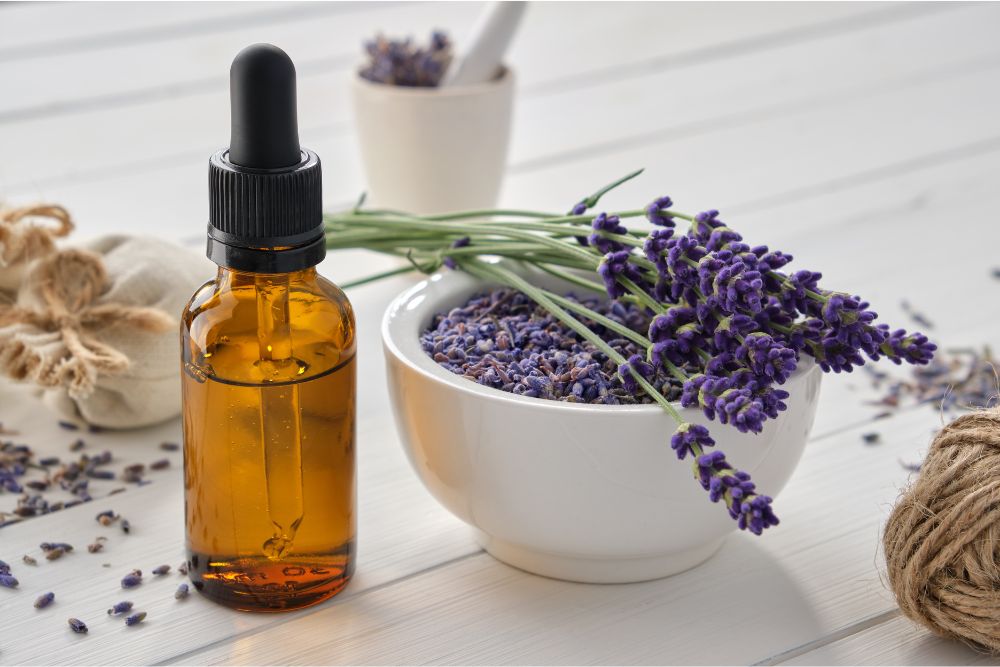
🌸 Lavender Oil: A Classic for Calm and Sleep
Lavender oil is one of the most popular oils for calming both mind and body. Its sweet, floral scent is associated with relaxation, sleep support, and emotional harmony.
It's traditionally used as an anti-stress oil, for anxiety, and insomnia.
How to Use It:
- Relaxing Bath: Add 6–8 drops to a warm bath.
- Pillow Spray: Mix with water and spray on your pillow before sleep.
- Aroma Lamp: Use 3–5 drops in a diffuser for peaceful evenings.
- Massage Oil: Mix with coconut oil and massage into neck and temples.
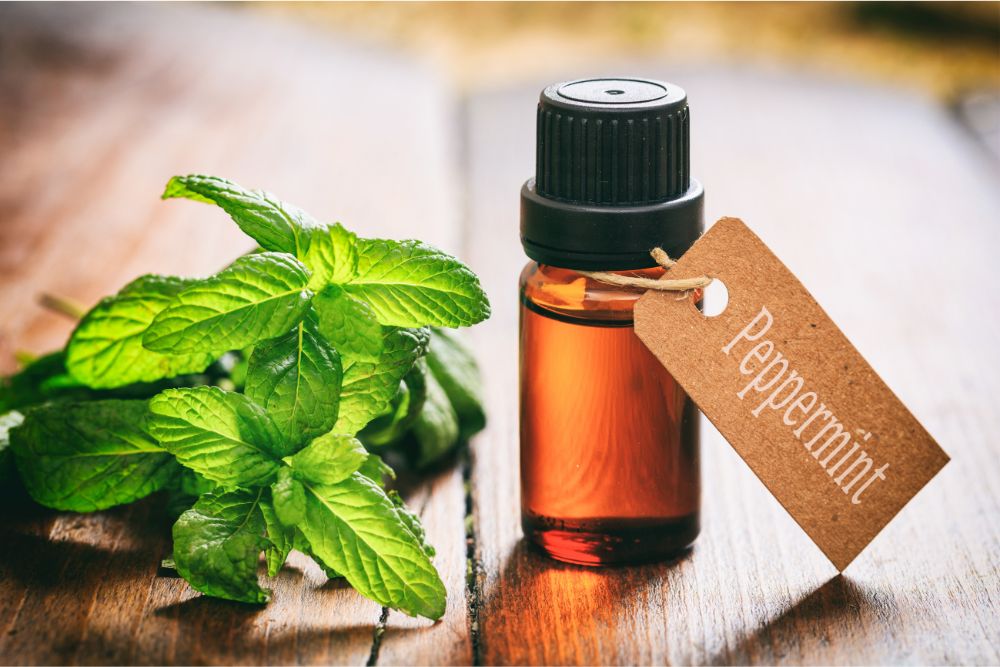
🌿 Peppermint Oil: Refreshment for Body and Mind
Peppermint oil is known for its invigorating effect. It helps with mental fatigue, refreshes the mind, and can also contribute to relaxing tense muscles.
Works excellently for massage or inhalation.
Uses for relaxation:
- Inhalation: 2–3 drops in a bowl of hot water, cover with a towel and breathe.
- Relaxing bath: Add 5 drops to the bathtub for a menthol effect.
- Neck massage: Suitable for tension or headaches.
- Aromatherapy: Diffusing the scent in a room can help with concentration.
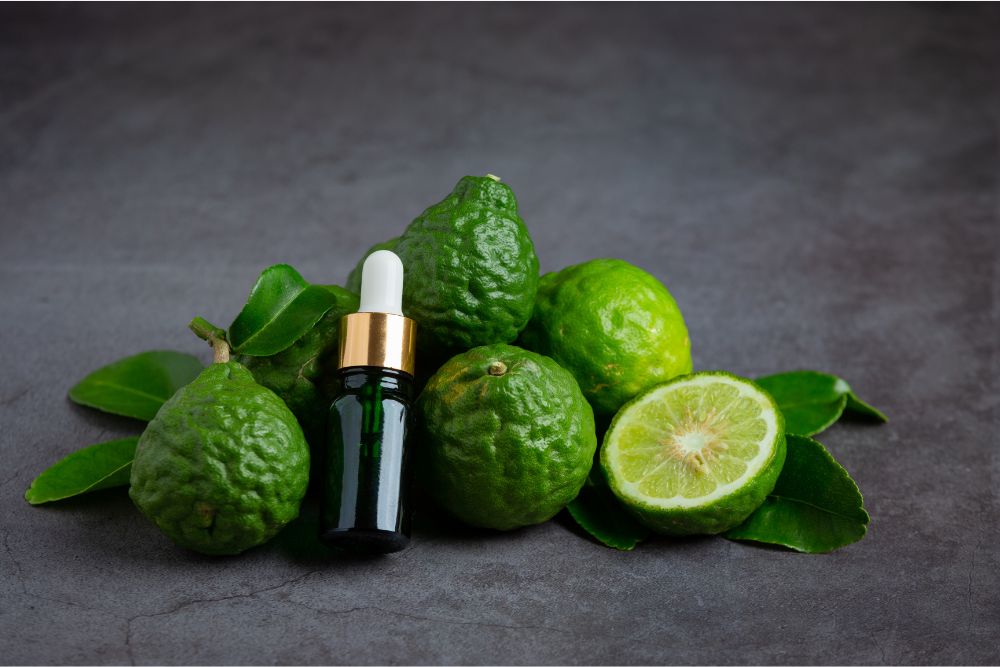
🍊 Bergamot oil: For nerves and bad mood
Bergamot oil has a fresh, citrus scent that can contribute to better mood and mental balance. It's often part of anti-anxiety oil blends.
Most common uses:
- Diffuser or aroma lamp: Inhaling the scent can help release tension.
- Relaxing bath: Ideal during emotional stress.
- Natural air freshener: Mix with water and spray around the room. For creating a calm atmosphere.
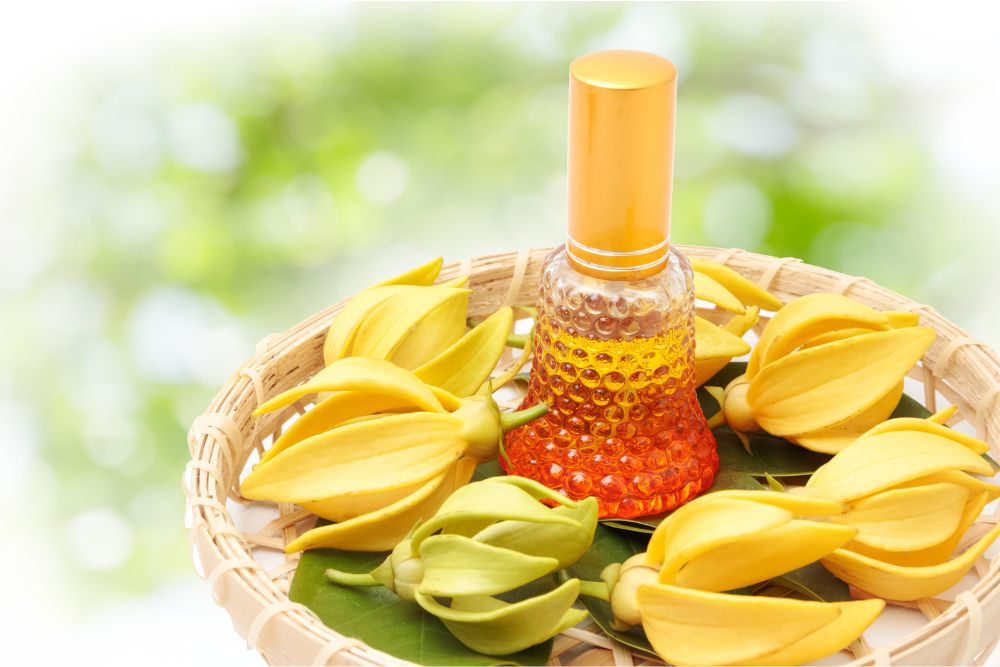
🌺 Ylang-Ylang Oil: Sweet Fragrance for Mental Well-being
Ylang-ylang oil is known for its sweet floral scent that evokes feelings of calm, joy, and relaxation. Traditionally used for better sleep and calming the mind.
How to Use It:
- Diffuser: Perfect for evening meditation or before bedtime.
- Massage oil: Ideal for evening routines.
- Bath: A wonderful way to end a demanding day.
- Pillow spray: A few drops in water for more peaceful sleep.
🌬️ Eucalyptus Oil: Relief for Body and Breathing
Eucalyptus oil refreshes, clears respiratory pathways, and helps with muscle tension. Its cooling effect promotes relaxation of both body and mind.
Popular for relaxing baths and massages.
Recommended Uses:
- Inhalation: Opens respiratory pathways and refreshes the mind.
- Muscle massage: May be suitable for fatigue and tension.
- Forehead compress: Relief during stress and exhaustion.
- Aromatherapy: The scent contributes to overall well-being.
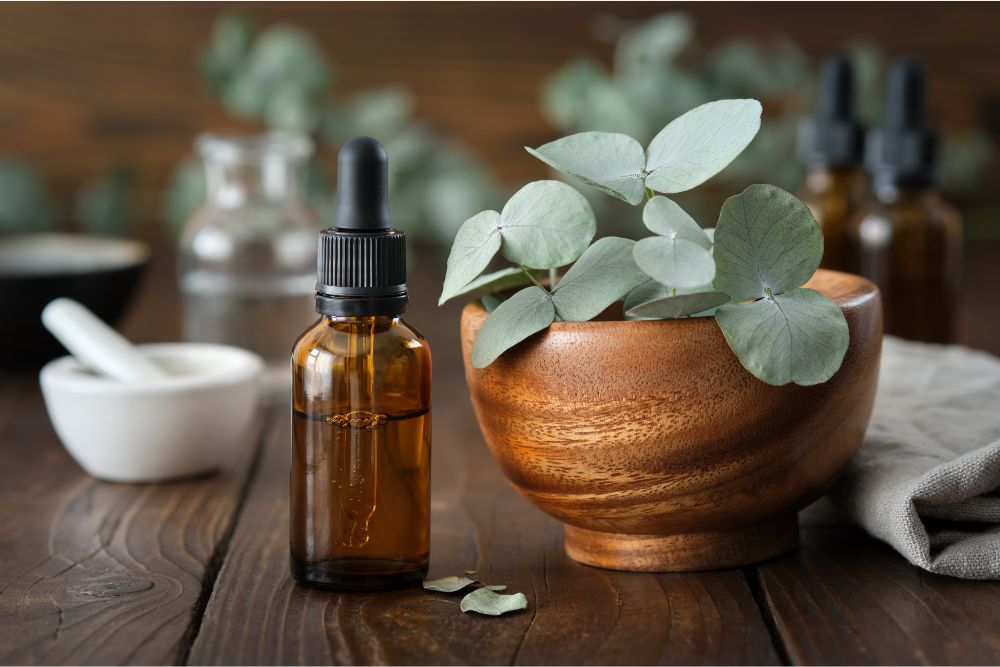
Basics of Safe Essential Oil Use
Even though essential oils are natural, this doesn't mean they're always automatically safe. Their effects are powerful – and that's precisely why it's important to handle them with respect.
What to Watch Out For:
- Always dilute: Apply essential oils to skin only when diluted in a carrier oil. The usual ratio is 1 drop of essential oil to 5 drops of carrier oil.
- Do a patch test: First try the blend on a small patch of skin (e.g. on your wrist). If redness, itching or burning appears, wash the oil off immediately.
- Be careful with children: Use smaller doses with children and always dilute heavily. Apply oil to delicate skin (e.g. soles of feet) only after a tolerance test.
- Watch out for sun: Some oils – especially citrus ones – can cause irritation if you expose yourself to the sun after using them. Wait at least 12 hours after application.
- Keep away from eyes and mucous membranes: Avoid application to nose, eyes, ears and damaged skin.
- Store properly: Keep bottles out of reach of children and away from direct sunlight or heat.
In Conclusion: Your Everyday Moment of Well-being
Aromatherapy is a great way to naturally support your well-being. Try these natural oils for relaxation, whether in the form of a bath, massage or inhalation. Find your favourite scent and make it part of your daily relaxation ritual.
🕯️TIP: Add some calm music, dimmed lights and a moment just for yourself. Your body and mind will thank you.
Frequently asked questions
What is the best essential oil for sleep?
Lavender, specifically Lavandula angustifolia. It is the most studied of the calming oils and the one most people tolerate well. Put 3 to 5 drops in a diffuser an hour before bed, or a single drop on the edge of the pillowcase rather than directly on the fabric you sleep on.
Which oils calm you down without making you drowsy?
Bergamot and roman chamomile. Bergamot lifts a flat mood without sedating, which suits daytime stress, and roman chamomile is mild enough for an afternoon. Vetiver and cedarwood are heavier and better kept for the evening.
How many drops of essential oil for a diffuser?
Three to five drops per water reservoir, up to eight in a large room. More drops do not make the scent better, only heavier, and your nose stops registering it faster. Run the diffuser for 30 to 60 minutes rather than all night.
Can you put essential oils directly on your skin?
Not undiluted. Dilute to 1 or 2 per cent in a carrier oil, which is 5 to 10 drops per 30 ml. Patch test on the forearm first and wait a day. Never add oils straight to bath water either; mix them with a spoonful of carrier oil or cream so they disperse.
Which relaxing oils should you avoid in sunlight?
Cold pressed bergamot and the citrus oils in general. They contain furocoumarins that react with ultraviolet light and can leave burns and lasting dark patches. Choose bergamot marked FCF, or keep the skin covered for about twelve hours.