
 Our products
 Aromatherapy - essential oils
 Essential oils
 Aroma lamps
 Aroma Diffusers
 Seeds
 Vegetables
 Herbs and spices
 Ornamental Plant Seeds
 Grass mixtures
 Sprouts and microgreens
 Growing supplies
 Cultivation and Gardening Supplies
 Hydroponics and indoor growing
 Protective equipment and gardening tools
 Exotic plants
 Exotic Fruit and Vegetables
 Exotic herbs
 Exotic trees and shrubs
 Ornamental exotic plants
 Roasted coffee
 Espresso coffee
 Ecological coffee preparation
 Thermal mugs and coffee cups
 Aeropress
 Thermos flasks and thermal mugs for coffee and tea
 Moka pot
 Filter coffee
 Coffee blends
 Accessories for coffee makers
 Water filtration
 Coffee grinders
 Cleaning the Coffee Maker
 Ecological Cleaning of Coffee Machines
 Coffee makers
 Coffee Preparation
 Coffee Accessories
 Food products
 For wildlife and pets
 Chocolate and others
 Hemp food products
 Natural cosmetics
 Hemp cosmetics
 Smoking supplies
 Bongs - water pipes
 Blunts and tubes
 E-liquids with Terpenes and CBD
 Grinders and Mills
 Papers and filters
 Smoking accessories
 Vaporizers
 Air fresheners
 CBD and CBG products
 CBD sprays
 CBD and CBN crystals
 CBD body and facial care
 Weeds
 CBD suppositories and capsules
 CBD oils and drops
 CBG oils and drops
 House and garden
 Fashion and Decoration
 Kitchen essentials and cooking
 Christmas Decorations and Accessories
 Gift Sets
 Bird feeders
 Seasonal and Special Tools
Discover the power of tea tree oil from Australia – a natural helper that contributes to clear skin and fresh hair. Learn about its effects, usage options, and simple tips for everyday care. Your skin and hair deserve the gentlest natural care.
In short: Tea tree oil is distilled from the leaves of the Australian narrow-leaved paperbark and contains terpinen-4-ol and cineole. It is used in skin and scalp care, always diluted, for example 1–2 drops per teaspoon of carrier oil for skin. It is for external use only and not recommended for children under 3.
| Dilution for skin | 1–2 drops per teaspoon of carrier oil |
|---|---|
| Hair mask | 5 drops in 2 tablespoons of coconut oil, 30–60 min |
| Facial toner | 5 drops per 100 ml of floral water |
| Typical frequency | 2–3 times per week |
| Children | not recommended under 3 years |
| Shelf life | 2–3 years, 12 months after opening |
Did you know that one of the most famous essential oils comes from Australia? Tea tree oil, also known as melaleuca oil, has gained popularity due to its versatility – especially in skin and hair care. In natural cosmetics, it's beloved for its cleansing and refreshing properties, which help provide a feeling of freshness and skin comfort.
In this article, we'll look at how to use tea tree oil in 2025, how to use it safely, and offer several simple homemade recipes. Discover tips on how to create your own natural rituals that contribute to skin and hair care.
Table of Contents
- What is tea tree oil and how is it made?
- Effects of tea tree oil on skin
- Effects of tea tree oil on hair
- Homemade recipes with tea tree oil
- Safe use of tea tree oil
- Tips for everyday use
- Frequently asked questions about tea tree oil
- Conclusion: Why you'll love tea tree oil too
What is tea tree oil and how is it made?
Tea tree oil is obtained through distillation of leaves from the narrow-leaved paperbark tree, which comes from Australia.
For generations, it has been valued in natural cosmetics for its cleansing and refreshing properties, which help provide a feeling of cleanliness and skin freshness.
Traditionally, it's used in caring for blemish-prone skin as well as the scalp, where it contributes to its overall comfort.
It naturally contains substances such as terpinen-4-ol and cineole, which give this oil its characteristic scent and properties.
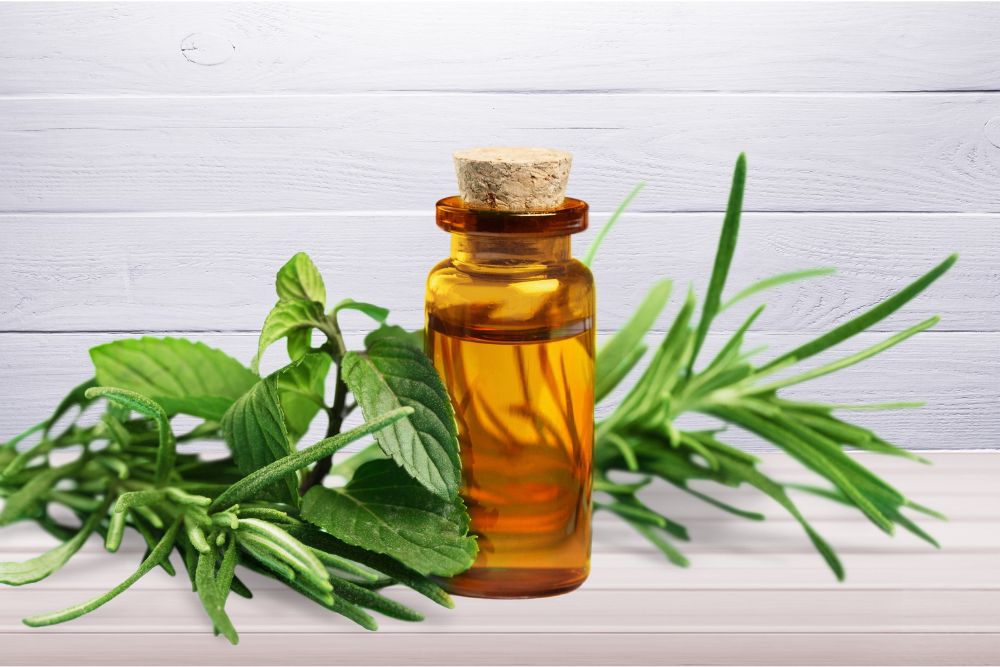
🌿 Tea tree essential oil – a natural treasure from Australian tea tree leaves.
Effects of Tea Tree Oil on Skin
Tea tree essential oil is among the popular ingredients in natural cosmetics. It is particularly valued for skin prone to imperfections and when there's a need for refreshing and cleansing the skin.
Thanks to its fresh scent and the feeling of cleanliness it leaves after application, it's a beloved part of natural skincare rituals. It helps create a sense of freshness and comfort, especially after a demanding day.
🌿 Skincare with tea tree essential oil – a natural ritual for a feeling of cleanliness and freshness.
Effects of Tea Tree Oil on Hair
Tea tree essential oil isn't just for skin – it has its place in natural hair care as well. It's popular for its refreshing character and natural ability to help maintain a feeling of clean scalp.
It's often part of shampoos and masks that focus on vitality and natural hair appearance. It helps keep the scalp in balance and freshness, which is especially appreciated by people with sensitive or stressed scalp.
Homemade Recipes with Tea Tree Oil
Try these simple and popular recipes that can enrich your everyday natural skin and hair care routine.
💚 Natural Hair Mask with Tea Tree Oil
Mix 2 tablespoons of coconut oil with 5 drops of tea tree essential oil. Apply from roots to ends, leave on for 30–60 minutes, and then wash thoroughly with a gentle shampoo. Your hair will feel fresh and nourished.
💧 Tea Tree Shampoo for Fresh Scalp Feel
Add 10 drops of melaleuca oil (tea tree) to your favourite shampoo. This natural addition can help create a feeling of cleanliness and lightness on the scalp.
🌸 Facial Toner with Tea Tree Oil
Add 5 drops of tea tree oil to 100 ml of floral or rose water. Shake well and apply using a cotton pad to cleansed skin – ideally in the evening. It will give your skin a feeling of freshness and lightness.
Safe Use of Tea Tree Oil
Although tea tree essential oil is of natural origin, it's important to follow several basic rules for its safe use:
- Dilution is key – never use the oil undiluted. Mix it with a carrier oil (such as jojoba, coconut, or almond oil), gel, or water.
- Perform a tolerance test – before first use, apply a small amount of the diluted mixture to the inside of your forearm and wait a few hours.
- Avoid contact with eyes and ingestion – tea tree oil is for external use only.
- Storage – keep it in a closed bottle, out of reach of children and direct sunlight.
Tips for everyday use
Get inspired by a few simple ways to incorporate tea tree essential oil into your daily natural care routine:
Targeted facial care
Mix a drop of tea tree oil with a carrier oil (such as jojoba) and apply locally with a cotton swab to a specific area of the skin – ideally in the evening after cleansing.
Refreshing body and room spray
Add water and a few drops of Australian tea tree oil to a spray bottle. This creates a gentle natural spray that brings a feeling of freshness, especially during summer days.
After-shave or sun care
Mix a few drops of tea tree oil with almond oil. This blend is popular as part of a natural skin care ritual after shaving or after sun exposure.
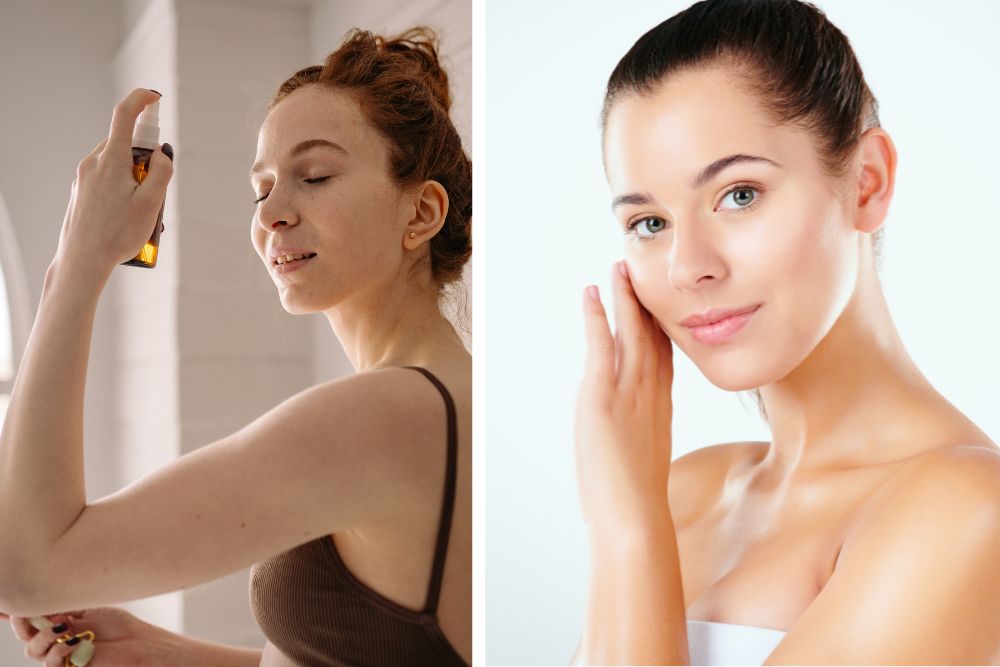
🌿 Simple tips on how to use tea tree oil in everyday skin and body care.
Frequently Asked Questions About Tea Tree Oil
💬 How often can I use tea tree oil?
Tea tree essential oil is typically used 2–3 times per week. If you want to incorporate it into your daily routine, always dilute it in a carrier oil and monitor your skin's reaction. Start with a smaller amount and gradually increase the frequency as needed.
🤰 Is tea tree oil suitable for pregnant and breastfeeding women?
During pregnancy and breastfeeding, we recommend consulting with a doctor or aromatherapist before using essential oils. Tea tree oil is considered one of the gentler options, but it's always best to take an individual approach and exercise caution.
👶 Can I use tea tree oil on children?
For children under 3 years old, the use of tea tree oil is not recommended. For older children, apply it only in highly diluted form (e.g., 1 drop per 2 teaspoons of carrier oil) and ideally after consultation with a pediatrician.
⚠️ What should I do if skin irritation occurs?
If redness or itching appears after application, stop using the oil immediately and rinse the area thoroughly with water. For future use, choose a lower concentration or test on a small area.
🕒 How long does tea tree oil last?
With proper storage (in a dark, cool place, in a tightly sealed bottle), it lasts 2–3 years. After opening, we recommend using it within 12 months to maintain its quality and fragrance.
🌸 Can I combine tea tree oil with other essential oils?
Yes, it blends beautifully with lavender, rosemary, eucalyptus, or citrus oils. These combinations create a fresh and balanced fragrance – just remember to always follow proper dilution ratios.
🌿 Bottles of essential oils – a fundamental part of natural skin and hair care.
Conclusion: Why You'll Fall in Love with Tea Tree Oil Too
Tea tree essential oil rightfully deserves a place in your natural cosmetic collection. Its versatile use in skin and hair care makes it a popular natural supplement that brings a sense of cleanliness and freshness.
Just use it sensibly and in the right proportion – and it will become your reliable companion in daily care.
🌿 Discover the power of nature in just a few drops. Browse our range of essential oils and find the one that best complements your natural routine.