
 Our products
 Aromatherapy - essential oils
 Essential oils
 Aroma lamps
 Aroma Diffusers
 Seeds
 Vegetables
 Herbs and spices
 Ornamental Plant Seeds
 Grass mixtures
 Sprouts and microgreens
 Growing supplies
 Cultivation and Gardening Supplies
 Hydroponics and indoor growing
 Protective equipment and gardening tools
 Exotic plants
 Exotic Fruit and Vegetables
 Exotic herbs
 Exotic trees and shrubs
 Ornamental exotic plants
 Roasted coffee
 Espresso coffee
 Ecological coffee preparation
 Thermal mugs and coffee cups
 Aeropress
 Thermos flasks and thermal mugs for coffee and tea
 Moka pot
 Filter coffee
 Coffee blends
 Accessories for coffee makers
 Water filtration
 Coffee grinders
 Cleaning the Coffee Maker
 Ecological Cleaning of Coffee Machines
 Coffee makers
 Coffee Preparation
 Coffee Accessories
 Food products
 For wildlife and pets
 Chocolate and others
 Hemp food products
 Natural cosmetics
 Hemp cosmetics
 Smoking supplies
 Bongs - water pipes
 Blunts and tubes
 E-liquids with Terpenes and CBD
 Grinders and Mills
 Papers and filters
 Smoking accessories
 Vaporizers
 Air fresheners
 CBD and CBG products
 CBD sprays
 CBD and CBN crystals
 CBD body and facial care
 Weeds
 CBD suppositories and capsules
 CBD oils and drops
 CBG oils and drops
 House and garden
 Fashion and Decoration
 Kitchen essentials and cooking
 Christmas Decorations and Accessories
 Gift Sets
 Bird feeders
 Seasonal and Special Tools
Did you know that frankincense, myrrh, and lotus oil were considered sacred gifts from the gods in ancient Egypt? Discover the fascinating world of Egyptian aromatherapy – from temple rituals to everyday body care. Find out which essential oils the pharaohs used and how they influenced modern aromatherapy.
In short: In ancient Egypt, essential oils were part of daily life from around 3000 BC. Priests burned frankincense and myrrh in temples, lotus oil was linked to the goddess Hathor, and oils accompanied embalming. Egyptians also used them in massages, baths, ointments, perfumes and cooking, a tradition that shaped today's aromatherapy.
| In use since | around 3000 BC |
|---|---|
| Temple fumigation | frankincense and myrrh |
| Lotus oil | associated with the goddess Hathor |
| Embalming | myrrh |
| In the kitchen | black cumin oil |
Did you know that some essential oils we love to use in aromatherapy today have their origins in ancient Egypt? This ancient civilization considered them sacred gifts that had a place in religion, traditional rituals, and daily care for body and soul.
Discover the world of frankincense, myrrh, or lotus oil – and be inspired by how ancient aromatherapy influenced what we perceive today as natural health and wellness care.
Table of Contents
- History of Essential Oils in Ancient Egypt
- Essential Oils in Mythology and Rituals
- Aromatherapy and Traditional Uses of Oils
- Most Popular Essential Oils of Ancient Egypt
- Essential Oils in Cuisine and Daily Life
- Social Significance and Legacy to the Present Day
- Conclusion: A Tradition That Lives On
History of Essential Oils in Ancient Egypt
As early as around 3000 BC, essential oils were a common part of life in Egypt. Egyptians used them to flavor food, make perfumes, for spiritual purification, and in traditional body care rituals.
They believed their fragrances helped connect the human world with the divine. Thanks to favorable climate and advanced knowledge of plants, they were able to extract essences from flowers, woods, and resins. These were then used not only in temples but also at home – as natural fragrance and part of household and body care.
Essential Oils in Mythology and Rituals
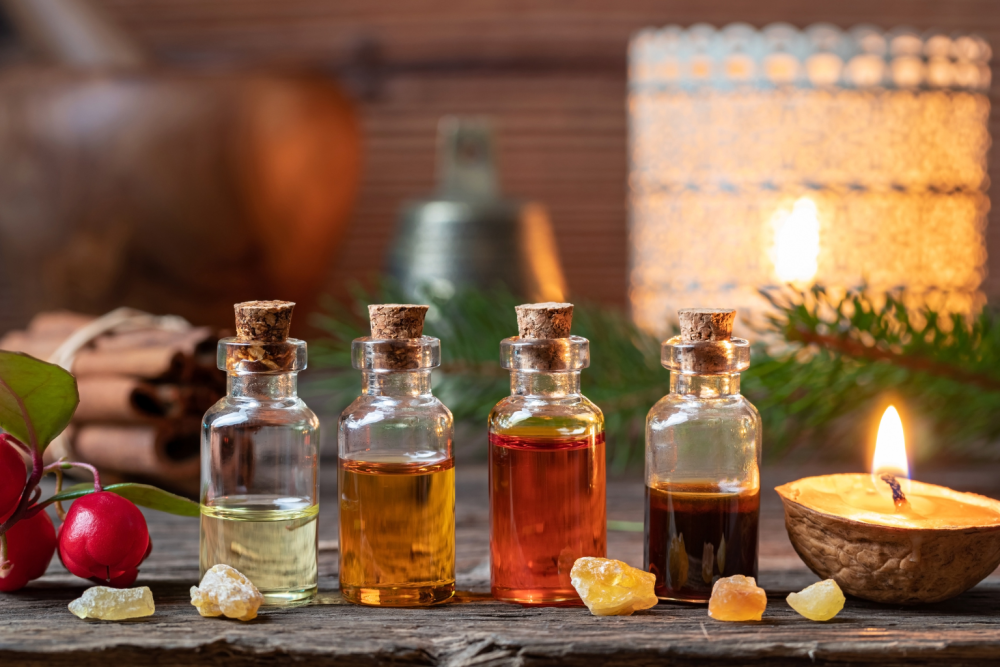
Aromatic oils held an important place in religious life. Priests fumigated temples with frankincense and myrrh during ceremonies to purify the space and create a sacred atmosphere.
Lotus oil was, for example, associated with the goddess Hathor and was used during rituals of fertility, beauty and harmony. Oils also accompanied the embalming of bodies – not only for preservation, but as spiritual guides to the afterlife.
Tip: Some rituals also involved pouring a mixture of water and essential oils over the bed. It was believed that the body would better absorb harmonising energy this way.
Aromatherapy and Traditional Use of Oils
Ancient aromatherapy was surprisingly complex. Essential oils were traditionally used for massages, baths and fumigation of spaces. They were traditionally believed to help promote a sense of calm and were popular for their harmonising fragrance.
For example, lemon oil was valued by the Egyptians for its fresh scent and was traditionally used to cleanse spaces and the body. Purification through fragrance was considered essential for the balance of body and soul.
💡 Historical tip: Essential oils were often mixed with clays, minerals or fats to create ointments and balms. These mixtures were valued for their harmonising properties and formed the basis of Egyptian cosmetics.
Most Popular Essential Oils of Ancient Egypt
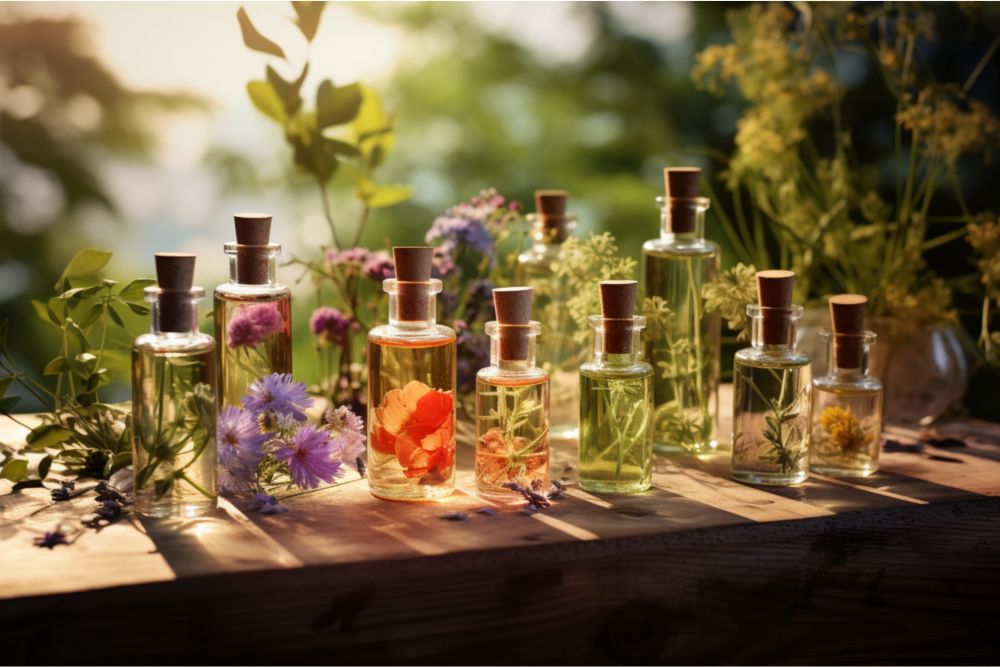
Below you will find a selection of oils that played a major role in ancient Egyptian aromatherapy:
- Frankincense: A symbol of spirituality, often used in temple rituals.
- Myrrh: Traditionally used in embalming and aromatherapy.
- Cedarwood: Popular for its cleansing and preservative purposes.
- Lotus oil: An essential component of rituals, associated with beauty and feminine energy.
Read our detailed article about frankincense oil and its use in rituals.
Essential oils in the kitchen and everyday life
Aromatherapy wasn't just for temples or healing centers. Oils also had their place in households.
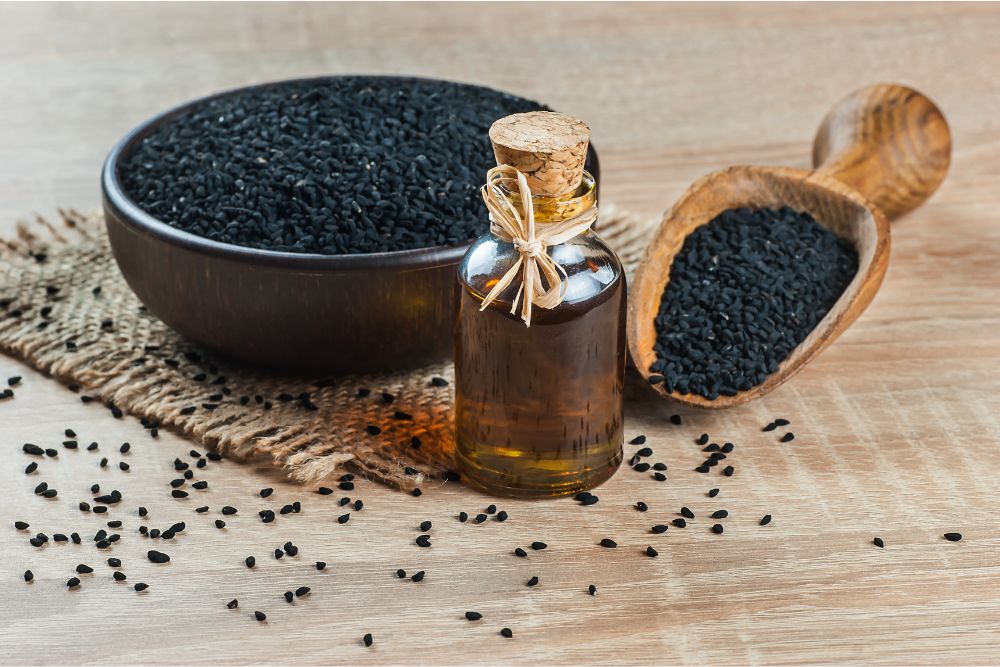
Black cumin oil was used in cooking – it gave dishes a unique flavor and was traditionally used for digestive issues. It flavored breads and soups and was a common part of the kitchen.
St. John's wort oil was used in traditional skin care preparations, especially for its harmonizing properties.
Social significance and legacy to the present day
In ancient Egypt, essential oils were symbols of wealth, health, and spiritual purity. Their legacy has been passed down to the present day – many are still used in aromatherapy, cosmetics, or natural home care.
They remind us that connection with nature is timeless. And that fragrance – gentle yet powerful – can be a source of inspiration and well-being.
Conclusion: A Tradition That Lives On
Essential oils were more than just fragrances for the ancient Egyptians. They were part of rituals, traditional practices, and culinary art.
Today we have the advantage of enjoying their power too – in home aromatherapy, during relaxation, or as part of natural cosmetics.
Discover essential oils in our e-shop and bring a piece of ancient wisdom into your home.
Always dilute essential oils with a carrier oil and use them thoughtfully. Do you have sensitive skin? Try a small amount first. You'll find everything you need in our article about safe use of essential oils.