
 Our products
 Aromatherapy - essential oils
 Essential oils
 Aroma lamps
 Aroma Diffusers
 Seeds
 Vegetables
 Herbs and spices
 Ornamental Plant Seeds
 Grass mixtures
 Sprouts and microgreens
 Growing supplies
 Cultivation and Gardening Supplies
 Hydroponics and indoor growing
 Protective equipment and gardening tools
 Exotic plants
 Exotic Fruit and Vegetables
 Exotic herbs
 Exotic trees and shrubs
 Ornamental exotic plants
 Roasted coffee
 Espresso coffee
 Ecological coffee preparation
 Thermal mugs and coffee cups
 Aeropress
 Thermos flasks and thermal mugs for coffee and tea
 Moka pot
 Filter coffee
 Coffee blends
 Accessories for coffee makers
 Water filtration
 Coffee grinders
 Cleaning the Coffee Maker
 Ecological Cleaning of Coffee Machines
 Coffee makers
 Coffee Preparation
 Coffee Accessories
 Food products
 For wildlife and pets
 Chocolate and others
 Hemp food products
 Natural cosmetics
 Hemp cosmetics
 Smoking supplies
 Bongs - water pipes
 Blunts and tubes
 E-liquids with Terpenes and CBD
 Grinders and Mills
 Papers and filters
 Smoking accessories
 Vaporizers
 Air fresheners
 CBD and CBG products
 CBD sprays
 CBD and CBN crystals
 CBD body and facial care
 Weeds
 CBD suppositories and capsules
 CBD oils and drops
 CBG oils and drops
 House and garden
 Fashion and Decoration
 Kitchen essentials and cooking
 Christmas Decorations and Accessories
 Gift Sets
 Bird feeders
 Seasonal and Special Tools
Essential oils have accompanied humanity for thousands of years – from ancient Egypt to modern aromatherapy. Discover the history of essential oils in ancient civilizations, learn how they were used by pharaohs, ancient scholars, and Ayurvedic masters, and get inspired by their wisdom for your home. Practical tips for relaxation, natural cleaning, and homemade perfumes await you inside.
In short: The first records of essential oils come from Egypt, India and Mesopotamia more than 6,000 years ago, where they served in rituals, embalming and body care. Frankincense and myrrh were so valued that a special trade route, the incense route, carried them to Europe. Today they are used in diffusers, homemade cleaners and natural perfumes.
| First recorded use | Over 6,000 years ago in Egypt, India and Mesopotamia |
|---|---|
| Most valued ancient oils | Frankincense and myrrh, traded along the incense route |
| Beginner oils | Lavender, lemon, mint, tea tree |
| Cleaning spray | 250 ml water + 2 tbsp vinegar + 15 drops lemon or eucalyptus oil |
| Air freshener | Water in a spray bottle + 10 drops essential oil |
| Homemade body oil | 10 drops lavender + 5 drops rose + 1 tbsp jojoba oil |
Essential oils have accompanied humanity for thousands of years. Since ancient times, they have been part of rituals, traditional forms of care, and everyday habits. Every ancient culture had its favourite scents, which were used for various purposes – and many of them are still used today.
In this article, we'll look at their rich history as well as contemporary uses. You'll learn how essential oils can enrich your home too – whether you're looking for a natural way to calm the atmosphere after a demanding day, scent a room, or create your own homemade cleaner.
Article Contents
- What are essential oils?
- History of essential oils and their use
- Essential oils in ancient civilisations
- Modern use of essential oils
- Practical tips for home use
- Conclusion: Connecting past with present
What are essential oils?
Essential oils are highly concentrated plant extracts. They are most commonly obtained by distillation of flowers, leaves, bark, or fruits. They contain essential compounds and other substances that give them distinctive scents and specific character.
In nature, they protect plants from pests or help attract pollinators. For humans, they represent a valuable tool in rituals of body care, mind care, and environmental care.
In aromatherapy, they are used especially when you want to:
- create a feeling of relaxation after a demanding day,
- support concentration or a fresh mood,
- create a pleasant atmosphere for rest or evening rituals.
However, they are also used practically – in the household, for example, as part of natural cleaners or air fresheners. In cosmetics, they bring not only scent but also a pleasant sensory experience. For example, lavender oil is popular for its gentle, calming scent. Eucalyptus scent is often associated with a feeling of freshness.
💡 Practical tip: If you're just starting with essential oils, go for the classics – lavender, lemon, mint, and tea tree are an excellent choice for every household.
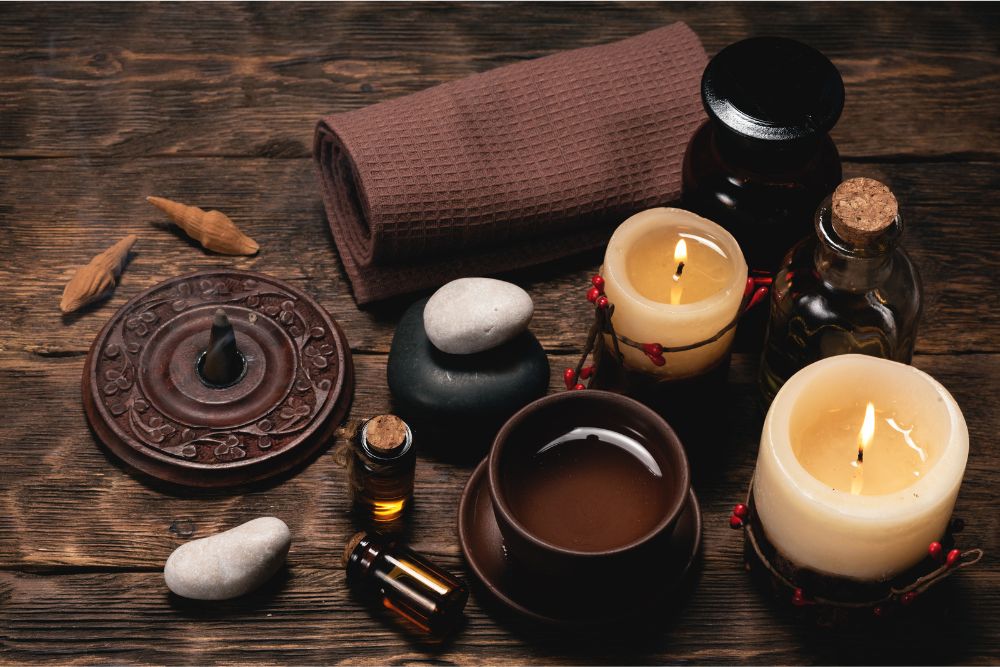
History of Essential Oils and Their Use
The use of essential oils has a truly long tradition. The first mentions date back to ancient Egypt, India and Mesopotamia – from over six thousand years ago.
Oils were used not only to create atmosphere during rituals, but also as part of cleansing, embalming and traditional forms of care.
In these civilizations, fragrant oils were part of everyday life. They were used in religious rituals, for embalming bodies, but also as part of personal hygiene or traditional body care practices.
Frankincense and myrrh were among the most valuable materials of the ancient world. They were so important that a special trade route was established – the so-called "incense route", along which these precious substances were transported as far as Europe.
Thanks to their versatility and popularity, oils have survived to this day. Modern aromatherapy builds on these ancient traditions and uses essential oils in body and home care rituals.
💡 Quick tip: Try a few drops of lavender in your diffuser in the evening. Its gentle fragrance is associated with relaxation and pleasant sleep – it was used by the ancient Romans.
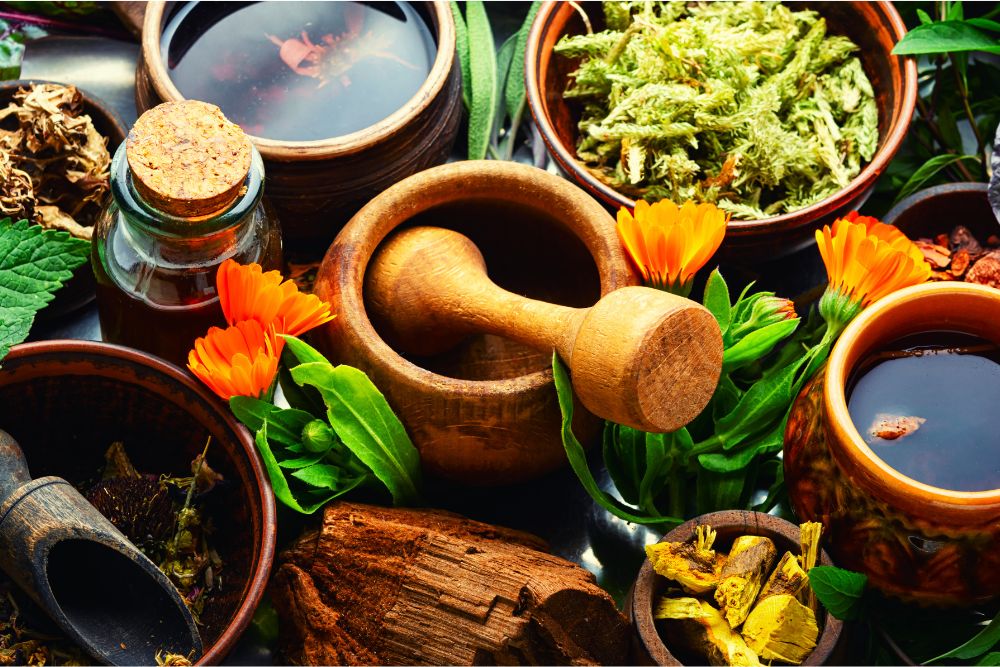
Essential Oils in Ancient Civilizations
Essential oils played an important role in the daily life of many ancient peoples. In each culture they had specific uses – from rituals and traditional healing practices to personal care and worship of deities.
🏺 Ancient Egypt: The Magic of Fragrances for Body and Soul
The Egyptians were among the first to systematically use essential oils. Oils were considered a gift from the gods and had their place not only in religious ceremonies, but also in daily hygiene.
They were used:
- for embalming bodies (e.g. myrrh and frankincense),
- for anointing the body after bathing,
- as fragrant mixtures during offerings.
The most commonly used included:
- frankincense – spiritual purification
- myrrh – traditionally used for embalming and skin care,
- lavender and rose – for beauty and peace of mind.
💡 Practical tip: Do you love delicate floral scents? Try rose essential oil in your bath. Egyptian women have cherished it for thousands of years.
Discover the secrets of ancient Egyptian aromatherapy and their precious elixirs.
🏛 Greece and Rome: Health, Beauty and Relaxation
In the ancient world, essential oils were symbols of a cultivated lifestyle. Physicians such as Hippocrates and Galen recommended them as part of body and soul care.
They were used for:
- bathing in thermal baths,
- massages and muscle regeneration,
- making perfumes and body oils.
Oil blends were often mixed with olive oil, allowing easy application on the body. However, it wasn't just about fragrance – oils were valued for their properties and used in body and mind care.
💡 Recommendation: Add a few drops of eucalyptus oil to warm water for a foot bath. It refreshes, relieves tension and enhances recovery after a demanding day – just like Roman baths.
🪷 India: Ayurveda and Oil Wisdom
In India, essential oils have been part of traditional Ayurvedic medicine for thousands of years. Ayurveda works with oils very precisely – according to personality type, season or specific needs.
Most commonly used are:
- for massages (e.g. sandalwood, tulsi, ginger),
- in steam baths and aromatherapy,
- for meditation and mental relaxation.
According to Ayurveda, each oil has its own "vibrations" and can symbolically influence the flow of energy in the body (known as prana).
Read the article on Indian aromatherapy and traditional use of essential oils in Ayurvedic medicine.
🪶 Native Americans: Aromatherapy Connected with Nature
Indigenous cultures of America used fragrances as a tool for spiritual purification and connection with nature. Many plants they gathered had distinctive aromatic properties and were used in rituals as well as everyday care.
Popular examples include:
- cedarwood – traditionally used for scenting and creating a sense of safe space,
- sage – for smudging and purification,
- chamomile – traditionally used for its gentle fragrance and skin care.
Many of these plants form the basis of today's essential oils.
💡 Try this: White sage in essential oil form is perfect for aroma diffusers – its scent helps purify the air and create a calm atmosphere at home.
Read the article about essential oils in Native American cultures and discover their spiritual power and traditional uses.
Modern Uses of Essential Oils
In today's fast-paced world, we're increasingly seeking ways to reconnect with nature. And essential oils are gaining popularity once again – thanks to their simplicity, practicality, and pleasant fragrance.
We find them not only in aromatherapy, but also:
- in natural cosmetics,
- homemade cleaning products,
- personal rituals for calm, focus, or relaxation.
For Atmosphere and Comfort at Home
Just a few drops in a diffuser can transform an entire room. Scents affect our senses immediately – and often unconsciously.
- Lavender is popular for its calming scent, often used in the evening before sleep.
- Bergamot fragrance is associated with a feeling of lightness and positive mood.
- The scent of lemongrass or peppermint is fresh and often used to create an active atmosphere.
💡 Practical tip: If you work from home, try lemon or rosemary in a diffuser – their fresh aroma can help with a sense of concentration.
In Traditional Body Care Rituals
Many essential oils are traditionally used in situations connected with comfort and wellbeing:
- during periods when you want to perceive the air as fresher (eucalyptus, tea tree),
- in massage rituals after a demanding day (ginger, peppermint),
- in natural skin care, where the gentle scent of chamomile or lavender is popular.
It's always important to respect the recommended dilution and method of use stated for each specific oil – especially for sensitive skin, children, and pregnant women.
💡 Recommendation: When tired, you can perform a gentle temple massage with a mixture of peppermint oil in a carrier oil – the pleasant scent can contribute to a feeling of relaxation.
Natural Perfume and Personal Ritual
Instead of synthetic perfumes, you can reach for natural alternatives – a combination of rose, vanilla, or ylang-ylang will create a beautiful personal fragrance.
From essential oils, you can also create:
- body oil,
- hair wrap,
- bath ritual for calm and relaxation.
💡 Quick tip: Mix 10 drops of lavender, 5 drops of rose, and a tablespoon of jojoba oil – you'll get a gentle body oil that leaves skin fragrant and soft.
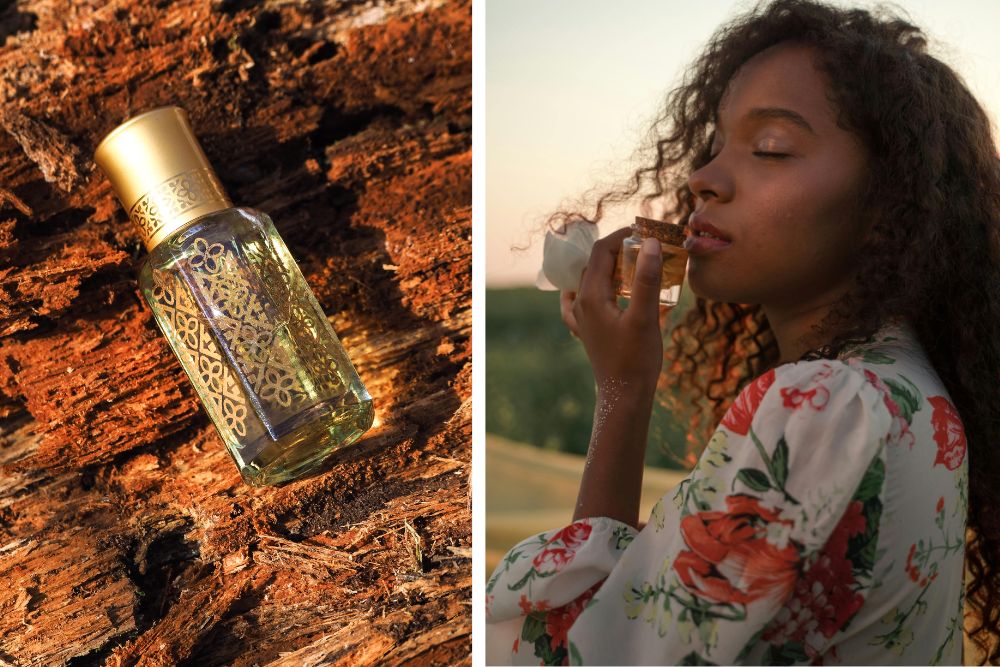
Practical Tips for Home Use
Essential oils aren't just beautifully scented bottles – they're also great helpers in everyday life. They bring not only fragrance but also a pleasant sensory experience.
Whether you're looking for a way to create a calming atmosphere at home or want to replace chemicals in cleaning products, you'll find inspiration here.
1. For Mental Well-being and Relaxation
Scents influence our mood much more than we realize. Some calm us, others give us energy. Essential oils can therefore be a simple tool for tuning into calmness, relaxing better before sleep, or making moments of rest more pleasant.
- In an aroma lamp or diffuser: lavender, bergamot, ylang-ylang
- In the bath: chamomile, rose
- During massage: mint, lavender (diluted in a carrier oil)
💡 Quick tip: Don't have a diffuser? Just a few drops of lavender on your pillow or in the corner of the bedroom is enough. Its scent is commonly associated with relaxation and evening calming.
Check out the article 5 Best Essential Oils for Relaxation and Calming.
2. For a Clean and Fragrant Environment
Instead of aggressive cleaning products, you can reach for simple natural recipes. With the help of essential oils, your home will be not only clean but also beautifully scented.
- Cleaning spray: 250 ml water + 2 tablespoons vinegar + 15 drops lemon or eucalyptus oil → ideal for kitchen surfaces, tables and sinks
- Air freshener: water in a spray bottle + 10 drops essential oil (e.g. mint, lemon, lavender)
- For floor washing water: add a few drops of lemongrass or tea tree
💡 Practical tip: A few drops of lemon oil in the dishwasher will freshen not only the dishes but the entire kitchen. Just add it to the rinse aid compartment.
Get inspired by the article Brilliantly Clean Home Without Chemicals and discover the power of essential oils in household cleaning products.
3. As a Natural Perfume
You can also use essential oils as a gentle, personal fragrance. Many of them smell wonderful on their own – others you can blend into your own mixture according to your mood.
- On the wrist: rose, bergamot, ylang-ylang (in a carrier oil)
- In hair oil or body lotion: lavender, ylang-ylang, patchouli
💡 Try this: Mix 10 drops of rose oil with 20 ml jojoba oil and store in a glass roll-on bottle. You'll create an elegant natural perfume without chemicals.
Discover 7 creative ways to use essential oils in your household.
Conclusion: Connecting the Past with the Present
Essential oils are not just fragrances in bottles. They are like silent messages from the past – connecting us with traditions that have shaped thousands of years of ancient wisdom about the balance between body, mind, and nature.
In times when people listened to the rhythm of the Earth and believed in the power of plants, oils were part of everyday life. And today? They still have much to offer us – just in a new context and with a modern approach.
Whether you light an aroma lamp in the evening, use a few drops in your bath, or make a natural cleaner at home, you're taking a step towards yourself. Towards peace, simplicity, and a return to nature.
Discover our range of 100% natural essential oils and create an atmosphere at home that will be your own oasis of calm.