
 Our products
 Aromatherapy - essential oils
 Essential oils
 Aroma lamps
 Aroma Diffusers
 Seeds
 Vegetables
 Herbs and spices
 Ornamental Plant Seeds
 Grass mixtures
 Sprouts and microgreens
 Growing supplies
 Cultivation and Gardening Supplies
 Hydroponics and indoor growing
 Protective equipment and gardening tools
 Exotic plants
 Exotic Fruit and Vegetables
 Exotic herbs
 Exotic trees and shrubs
 Ornamental exotic plants
 Roasted coffee
 Espresso coffee
 Ecological coffee preparation
 Thermal mugs and coffee cups
 Aeropress
 Thermos flasks and thermal mugs for coffee and tea
 Moka pot
 Filter coffee
 Coffee blends
 Accessories for coffee makers
 Water filtration
 Coffee grinders
 Cleaning the Coffee Maker
 Ecological Cleaning of Coffee Machines
 Coffee makers
 Coffee Preparation
 Coffee Accessories
 Food products
 For wildlife and pets
 Chocolate and others
 Hemp food products
 Natural cosmetics
 Hemp cosmetics
 Smoking supplies
 Bongs - water pipes
 Blunts and tubes
 E-liquids with Terpenes and CBD
 Grinders and Mills
 Papers and filters
 Smoking accessories
 Vaporizers
 Air fresheners
 CBD and CBG products
 CBD sprays
 CBD and CBN crystals
 CBD body and facial care
 Weeds
 CBD suppositories and capsules
 CBD oils and drops
 CBG oils and drops
 House and garden
 Fashion and Decoration
 Kitchen essentials and cooking
 Christmas Decorations and Accessories
 Gift Sets
 Bird feeders
 Seasonal and Special Tools
In short: Rare essential oils come from plants such as orange blossom (neroli), sandalwood, St. John's wort and juniper, which grow in limited areas, are harvested by hand at precise times or need demanding processing. A large amount of plant material yields only a little oil, hence their value. Always dilute them, typically to 1–3 %.
| Production methods | steam distillation, cold pressing, CO₂ extraction |
|---|---|
| Typical dilution | 1–3 % |
| Sensitivity test | 24 hours on the inner forearm |
| Quality check | botanical name, origin, extraction type, GC/MS test |
Did you know that some essential oils come from plants that grow in only a handful of places around the world? Obtaining them isn't just about beautiful fragrance – it involves a combination of traditional methods, manual care, and careful processing that gives rise to truly exceptional essences.
✨In this article, we'll explore the plants that provide rare essential oils, why they're so valued, and what processes are used in their production. You'll also learn how to handle these oils safely and gently, plus we'll add interesting facts from history and tips for home cultivation.
This article was updated for 2025 to offer current information and a modern perspective on rare natural essences.
Article Contents
- What are essential oils and how are they made?
- What effects can essential oils have?
- Most popular essential oils
- Which plants produce rare essential oils?
- How to grow plants for essential oils?
- Why are rare essential oils so expensive?
- History of essential oils
- How to use essential oils safely?
- The future of essential oil production
- FAQ – Most common questions about rare essential oils
- Conclusion: Discover the power of nature
What are essential oils and how are they made?
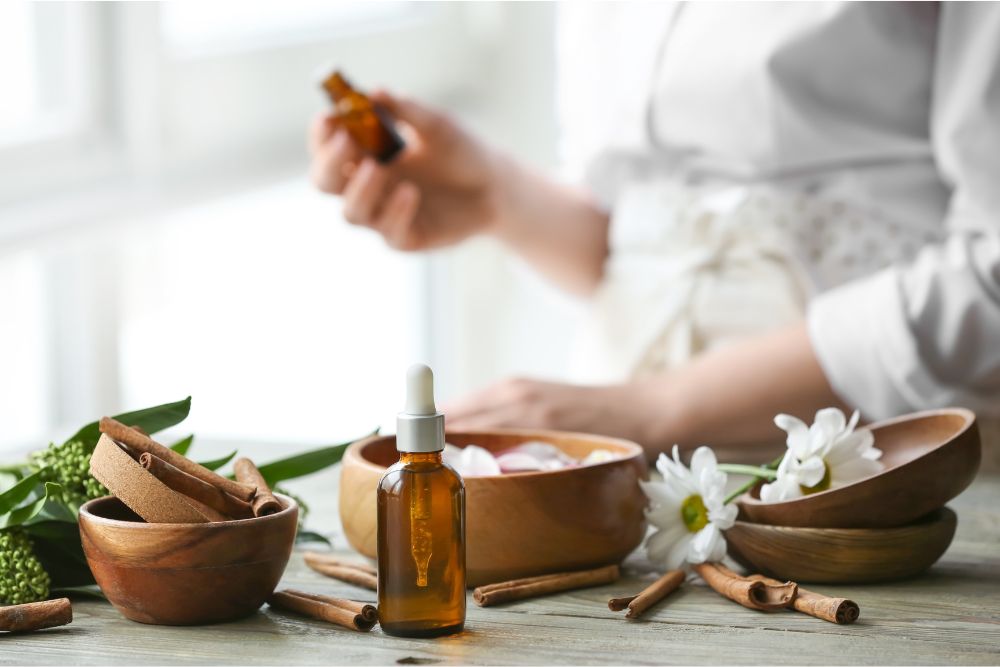
Essential oils are natural aromatic substances obtained from various parts of plants – from flowers, leaves, bark, resins, or roots. They're most commonly produced using three main methods:
steam distillation,
cold pressing (typical for citrus fruits),
CO₂ extraction, which allows very gentle extraction of aromatic compounds.
Each method has its specifics and influences the final form of the resulting essence. The production of essential oils is often very demanding – a large amount of plant material is usually needed for a small quantity of oil. This is also one of the reasons why some oils can be rare and more expensive.
What effects can essential oils have?
The fragrance of essential oils can influence how we feel. In aromatherapy, they are often used to support a pleasant atmosphere, better concentration or relaxation. Their use is very diverse and depends on what type of ritual you wish to enjoy.
In aromatherapy, essential oils are used, for example:
-
to support a calm and relaxed atmosphere,
-
to refresh and enhance the environment,
-
as part of massages or home body care,
-
for invigoration during fatigue or a demanding day.
Most popular essential oils
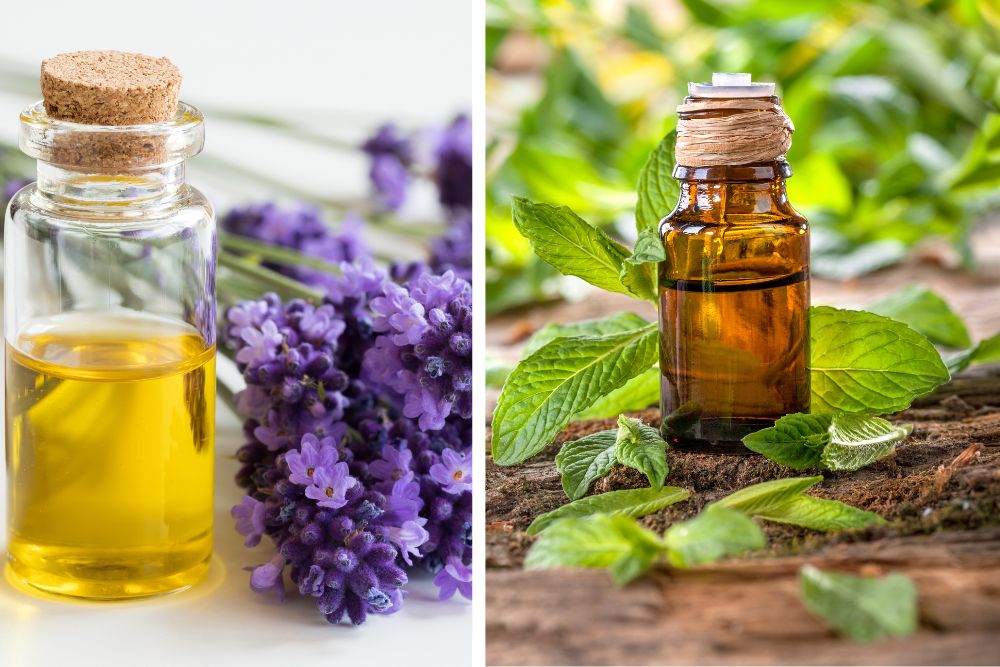
🌿Lavender: A sweet floral fragrance that is often part of evening relaxation rituals and creates a calming atmosphere.
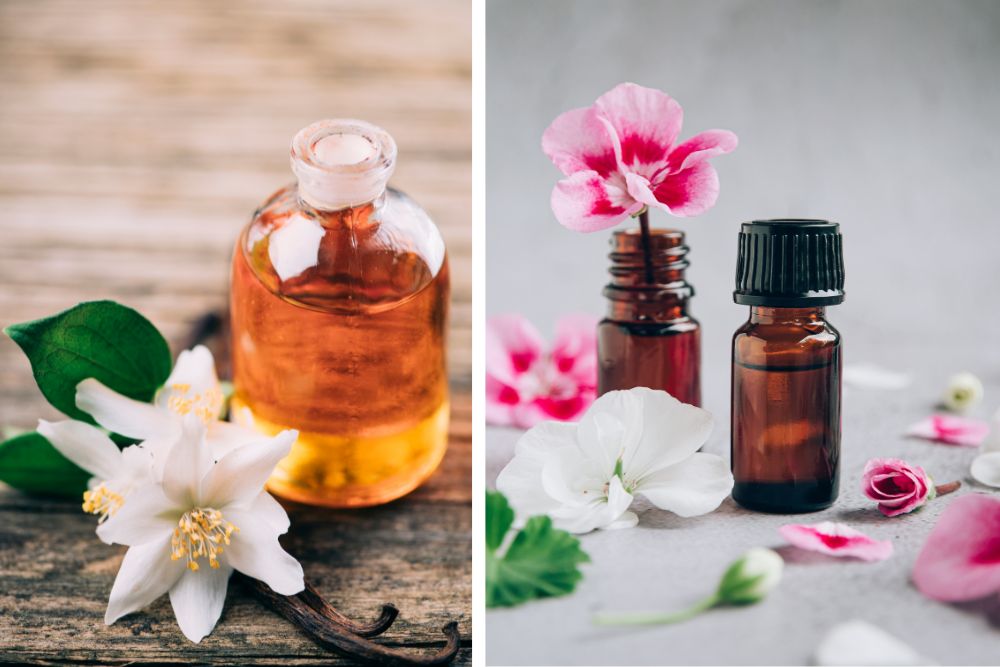
🌿Ylang-Ylang: Intense, exotic floral fragrance traditionally associated with feelings of harmony and balance.
🌿Sage: Herbal, slightly spicy fragrance. Used in aromatherapy for invigoration and mental refreshment.
🌿Peppermint: Fresh and menthol fragrance, perfect for warm days or as a boost during the day.
Which plants produce rare essential oils?
Rare essential oils often come from plants that grow only in a narrow band of climatic conditions, have limited harvest periods, or require very specific cultivation and processing. This makes them some of the most valuable fragrances in the world.
🌿Orange Blossom (Neroli)
Delicate, sweetly citrus and lightly floral fragrance. Highly valued in aromatherapy and perfumery for its elegant and pure character.
🌿St. John's Wort
Herbal, slightly sweet aroma. Traditionally used in natural care and tea blends – its essence is rare due to demanding processing.
🌿Sandalwood
Deep, warm and woody fragrance is among the rarest in the world. Sandalwood trees grow very slowly, which increases the oil's value.
🌿Juniper
Clean, fresh and slightly resinous fragrance. Juniper essences are often used in cleansing and meditation blends.
How to grow plants for essential oils?
Many aromatic plants can be grown at home on a balcony, in a pot or in the garden. Just follow a few basic rules:
-
Soil: choose light, well-drained and permeable soil so that the roots don't constantly stand in water.
-
Watering: water moderately – most aromatic herbs don't tolerate overwatering.
-
Sunlight: most species prefer sunny to semi-shaded locations.
-
Regular pruning: gentle pinching or trimming encourages growth and keeps the plant vital and lush.
Why are rare essential oils so expensive?
The price of rare essential oils is not random. It's influenced by several factors related to cultivation, harvesting and the actual processing of plants:
-
Large amounts of plant material are needed to produce a small quantity of oil.
-
Manual harvesting at precisely determined times, for example at dawn for floral essences.
-
Demanding extraction methods or procedures that require experience and precision.
-
Import from limited locations where the particular plant grows naturally or is cultivated on a small scale.
Therefore, these oils are considered valuable and exceptional – not only for their fragrance, but also for the complexity involved in their production.
History of Essential Oils
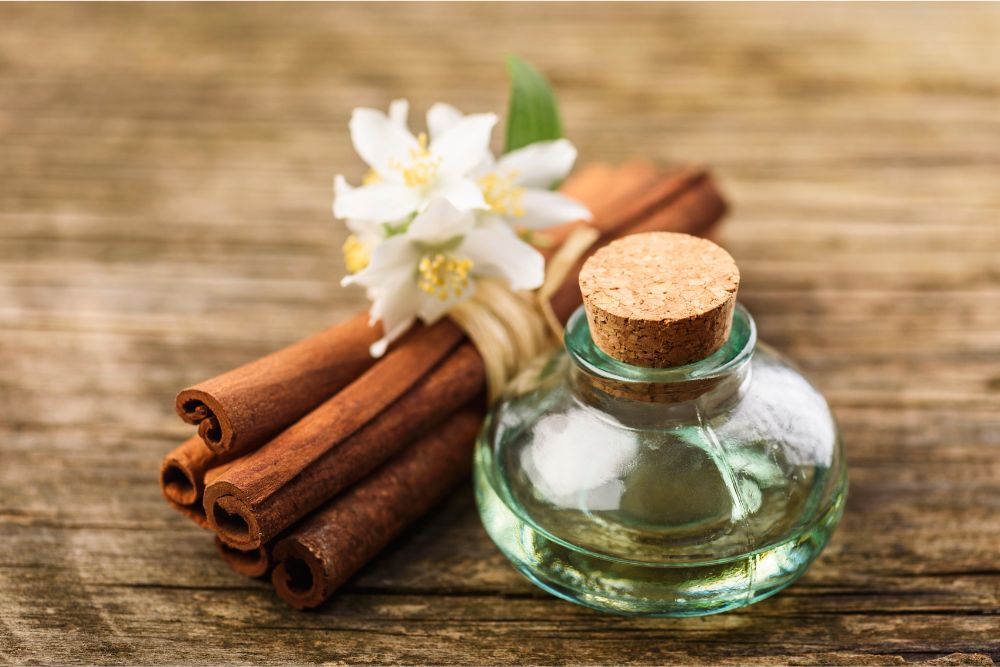
Essential oils have a long and rich tradition. As far back as ancient Egypt, India and Greece, people used fragrant plant extracts in various rituals, in body care and to create a pleasant atmosphere in temples and households. The fragrances of natural essences were perceived as a way to connect with nature and support inner balance.
These ancient practices became the inspiration for modern aromatherapy and natural cosmetics, which today draw on a combination of traditional knowledge and contemporary processing methods.
How to Use Essential Oils Safely?
Even natural products can be highly concentrated, so it's important to follow several safety guidelines:
-
Do not use essential oils undiluted on skin. Always mix them with a carrier oil (such as almond, jojoba or coconut oil).
-
Perform a sensitivity test. Apply a small amount of the diluted mixture to the inside of your forearm and wait 24 hours.
-
Avoid contact with mucous membranes and eyes. If irritation occurs, rinse with carrier oil, not water.
-
During pregnancy, breastfeeding or with young children, use oils with caution and follow the manufacturer's recommendations.
-
Store in a dark, dry place out of reach of children and pets.
-
Follow recommended dilution rates. Most aromatherapy applications require significant dilution, typically 1–3%.
The Future of Essential Oil Production
Sustainability plays an increasingly important role in the field of essential oils. Modern brands emphasize gentle practices, recyclable or reusable packaging and reducing energy consumption in production. They also increasingly support responsible cultivation programs and ethical plant harvesting.
These approaches aim to make essential oil production sustainable, transparent and respectful to nature in the long term, without compromising their quality.
FAQ – Most Common Questions About Rare Essential Oils
🌿Why are some essential oils considered rare?
Rarity depends on the availability of plants, the difficulty of harvesting, the amount of raw material needed for production, and whether the plant grows only in certain locations. All of this affects the price and availability of the oil.
🌿How do I know I'm buying a quality rare essential oil?
A transparent label is important, stating the botanical name of the plant, country of origin, type of extraction and information about the manufacturer. Certifications and laboratory tests, such as GC/MS, can also help.
🌿 Can I use rare essential oils the same way as common ones?
Yes, but with greater care. Rare oils are often highly concentrated and aromatically intense. Always dilute them with a carrier oil, follow recommended dosages, and perform a tolerance test.
Conclusion: Discover the Power of Nature
Essential oils aren't just fragrant essences – they're unique natural gifts that humanity has been using for generations. Whether you're seeking a moment of calm, wanting to treat yourself to a small home ritual, or simply looking to scent your home, essential oils can be a pleasant and inspiring companion.
When choosing them, it pays to think about quality and method of use. Properly selected oils will help you create an atmosphere that supports wellbeing and makes any space more cozy.
🌿 Want to discover exceptional fragrances?
Explore our range of essential oils and discover scents that harmonize with your style, home, and personal rituals – mindfully, naturally, and with respect for detail.