
 Our products
 Aromatherapy - essential oils
 Essential oils
 Aroma lamps
 Aroma Diffusers
 Seeds
 Vegetables
 Herbs and spices
 Ornamental Plant Seeds
 Grass mixtures
 Sprouts and microgreens
 Growing supplies
 Cultivation and Gardening Supplies
 Hydroponics and indoor growing
 Protective equipment and gardening tools
 Exotic plants
 Exotic Fruit and Vegetables
 Exotic herbs
 Exotic trees and shrubs
 Ornamental exotic plants
 Roasted coffee
 Espresso coffee
 Ecological coffee preparation
 Thermal mugs and coffee cups
 Aeropress
 Thermos flasks and thermal mugs for coffee and tea
 Moka pot
 Filter coffee
 Coffee blends
 Accessories for coffee makers
 Water filtration
 Coffee grinders
 Cleaning the Coffee Maker
 Ecological Cleaning of Coffee Machines
 Coffee makers
 Coffee Preparation
 Coffee Accessories
 Food products
 For wildlife and pets
 Chocolate and others
 Hemp food products
 Natural cosmetics
 Hemp cosmetics
 Smoking supplies
 Bongs - water pipes
 Blunts and tubes
 E-liquids with Terpenes and CBD
 Grinders and Mills
 Papers and filters
 Smoking accessories
 Vaporizers
 Air fresheners
 CBD and CBG products
 CBD sprays
 CBD and CBN crystals
 CBD body and facial care
 Weeds
 CBD suppositories and capsules
 CBD oils and drops
 CBG oils and drops
 House and garden
 Fashion and Decoration
 Kitchen essentials and cooking
 Christmas Decorations and Accessories
 Gift Sets
 Bird feeders
 Seasonal and Special Tools
Essential oils can be excellent helpers, but when used incorrectly, they can also irritate the skin or cause an unpleasant reaction. 🌿In this article, you'll find clear guidelines for safe dosing, dilution, and use with children, pregnant women, and pets. Learn how to use oils confidently and without risk.
Do you use essential oils or are you considering them? Even though they are natural, improper dosing can make them too strong and cause irritation or an allergic reaction.
✨In this article, updated for 2025, you'll find an overview of all safe usage guidelines – from proper dilution and dosing to rules for children, pregnant women, and pets. This way, you can enjoy aromatherapy with confidence and peace of mind.
Table of Contents
- Why Be Careful?
- How to Perform a Sensitivity Test
- Dilution and Dosing of Essential Oils
- Safe Dosing
- Sensitivity and Allergic Reactions
- Photosensitive Oils and UV Radiation
- Use with Children
- Use During Pregnancy and Breastfeeding
- Essential Oils and Pets
- Conclusion: Natural, But Not Without Rules
Why Be Careful?
Essential oils are highly concentrated natural extracts, which is why it's important to handle them with respect. Although they come from plants, when used incorrectly they can be too intense for the skin – they may cause unpleasant irritation or individual sensitivity.
Safe oil usage always starts with proper dilution, dosing, and tolerance testing. This way, you can enjoy aromatherapy worry-free and with maximum comfort.
How to Perform a Sensitivity Test
Before you start using a new essential oil, it's recommended to perform a simple sensitivity test:
-
Dilute 1 drop of essential oil in 5 drops of carrier oil.
-
Apply the mixture to the inner side of your forearm.
-
Wait 24 hours and watch for any redness, itching, or rash.
If a reaction occurs, rinse the area with water and soap or apply carrier oil. If your skin shows no reaction, you can continue using the oil – always with caution and proper dilution.
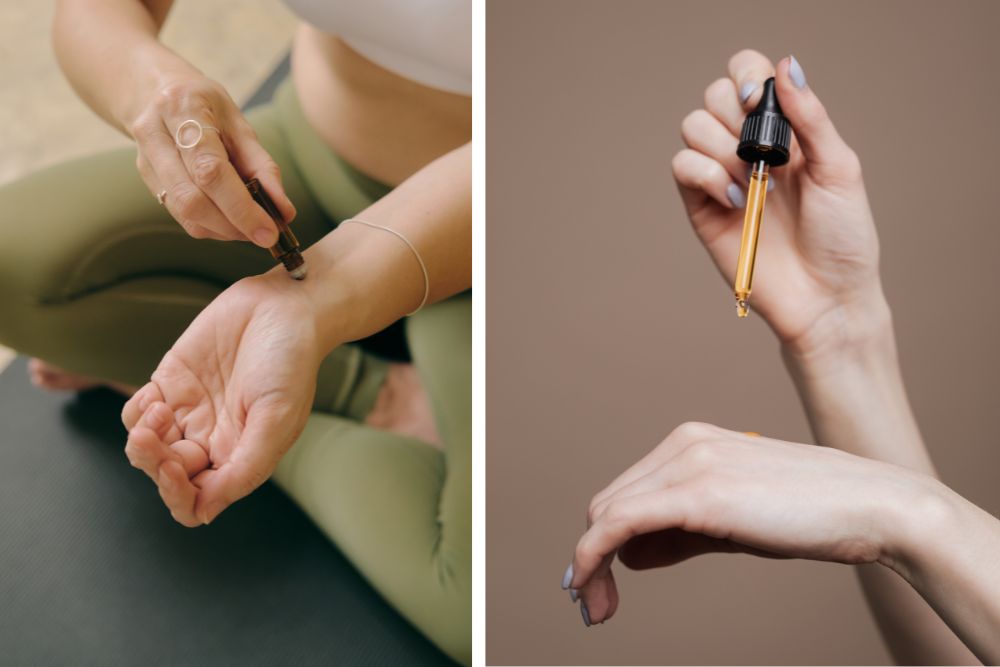
🌿Application of diluted essential oil to the forearm during a skin sensitivity test.
Dilution and Dosage of Essential Oils
Proper dilution of essential oils is crucial for their safe use. Essential oils are highly concentrated, so never apply them directly to skin without a suitable carrier oil.
Basic dilution recommendations:
-
1 drop of essential oil to 5 drops of carrier oil – universal ratio for most oils.
-
"Hot" oils such as cinnamon, clove or oregano → increase dilution to 1 drop of essential oil to 10 drops of carrier oil.
💡 Practical tip: Carrier oils (coconut, almond, jojoba, etc.) not only help with dilution but also enhance the pleasant feeling on your skin.
Safe Dosage of Essential Oils
Proper dosage is one of the most important rules of safe aromatherapy. With essential oils, it really is true that less is sometimes more.
How to dose safely:
-
Start with 1–2 drops and observe how your body responds.
-
Higher amounts don't increase effectiveness – on the contrary, they can lead to irritation or discomfort.
-
When using in a diffuser, always follow the recommended number of drops specified for your particular device.
Sensitivity and Allergic Reactions
Each person may react differently to essential oils. Even if it's not a true allergy, hypersensitivity or skin irritation may occur.
Possible reactions may include: redness, burning or itching, dry or irritated skin areas, rash, feeling unwell from overly intense fragrance
What to do if a reaction occurs?
-
Gently wash the area with soap and water or treat the spot with a carrier (vegetable) oil, which helps dilute it.
-
Do not use the given essential oil further, or try it in a lower concentration after a longer period.
-
If the reaction is significant or persists, contact a doctor.
💡Tip: If you are unsure about the quality of the oil, read our article about how to choose quality and safe essential oils – it will help you navigate certifications and origins.Photosensitive Essential Oils and UV Radiation
If you use them:
- Do not go in the sun or to a tanning salon for at least 12 hours.
- Cover the skin with clothing.
Some essential oils – especially citrus ones (lemon, bergamot, or lime) – may increase the skin's sensitivity to sun radiation after application. This can lead to redness or irritation. To ensure safe use, follow these rules:
After applying citrus oils to the skin:
-
Do not expose yourself to direct sunlight or visit a tanning salon for at least 12 hours.
-
If you need to go outside, cover the skin with clothing.
-
In summer months, prefer evening use or use in a diffuser, where contact with skin is not a risk.
-
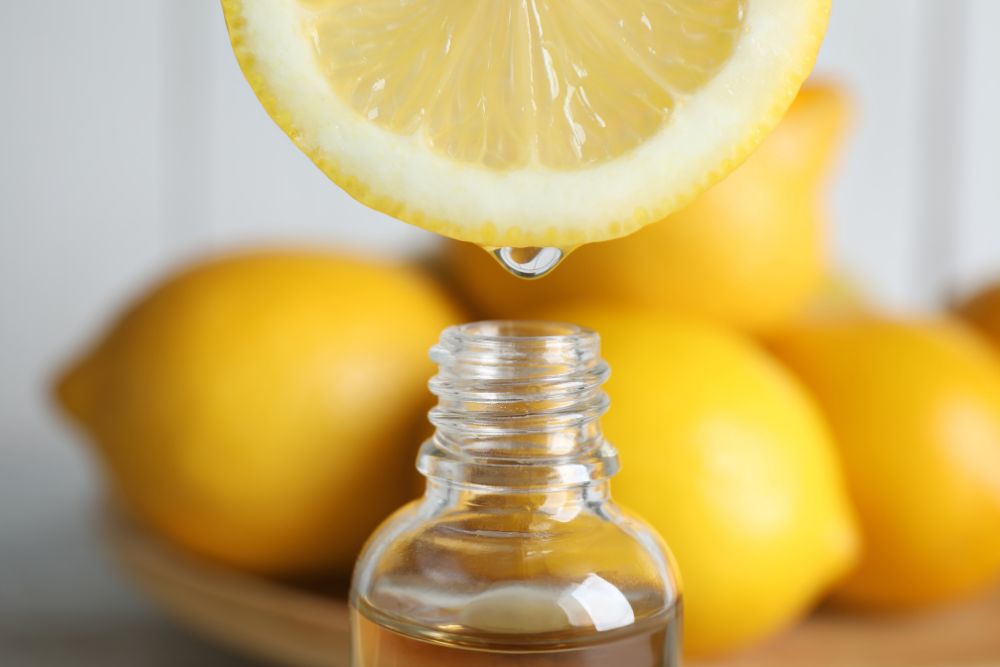
🌿Citrus essential oils, such as lemon, can increase sun sensitivity when applied to the skin.
Using Essential Oils with Children
Children's skin is delicate and reacts easily, so essential oils must be used with maximum caution:
-
Always dilute the oil thoroughly – typically 1 drop of essential oil to 10 drops of carrier oil.
-
Apply only to safe areas, such as the soles of the feet or lower back.
-
Avoid strongly aromatic or "hot" oils, including peppermint, cinnamon, and eucalyptus.
-
Never diffuse essential oils in a closed room with a newborn – always ensure ventilation and use very small amounts.
In case of uncertainty or if the child has higher sensitivity, it's advisable to consult the use with a pediatrician or aromatherapy specialist.
Essential Oils During Pregnancy and Breastfeeding
During pregnancy and breastfeeding, essential oils must be used with maximum caution. Some can provide gentle support, while others are not recommended.
⚠️ Oils to avoid during pregnancy: basil, clary sage, juniper, thyme, cinnamon, peppermint, and anise
🌿 Gentle oils usually considered more suitable: Roman chamomile, neroli, rose, mandarin and ylang-ylang
During breastfeeding:
-
avoid strongly aromatic, warming or stimulating oils,
-
gentle options may include frankincense, myrtle or chamomile,
-
always monitor your baby's reaction – if restlessness, breast refusal or irritation occurs, stop using the oil.
Always use essential oils with caution, well diluted and only if they suit you. If in doubt, consult a doctor or aromatherapist.
Essential oils and pets
Pets are significantly more sensitive to scents than humans. Some essential oils can be unsuitable or even toxic for dogs and cats, so extra caution is necessary when using them.
⚠️ Avoid these oils around animals: tea tree, peppermint, cinnamon, citrus, clove, ylang-ylang
If using a diffuser in the presence of a pet:
-
use less essential oil than usual,
-
ensure good room ventilation,
-
allow the animal to leave to another room at any time,
-
monitor its behaviour – if drooling, trembling, fatigue or apathy occurs, stop diffusing immediately and contact a veterinarian.
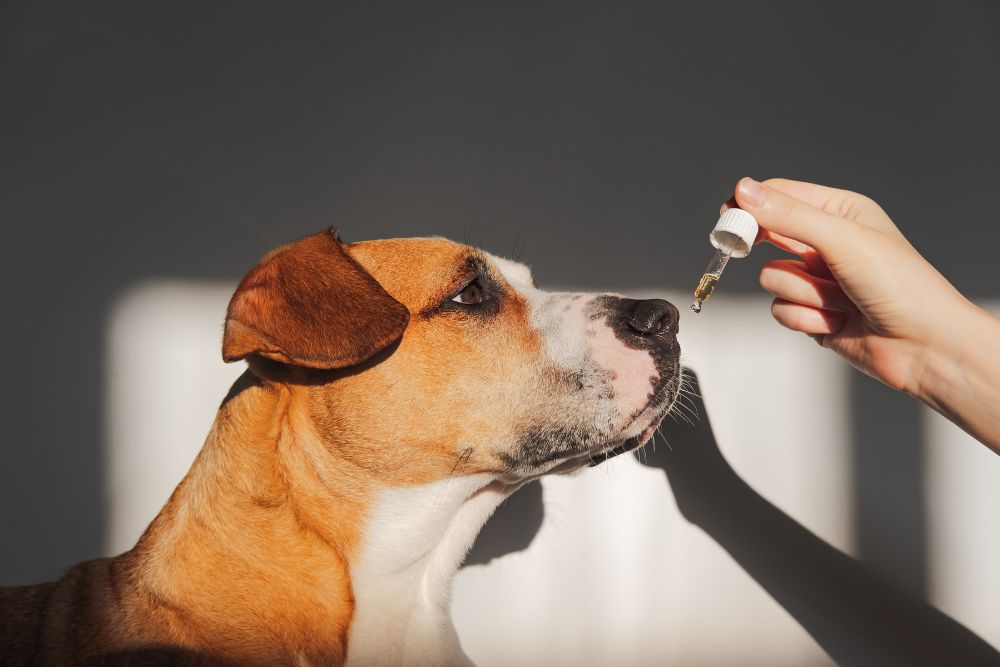
🌿 Always use essential oils with maximum caution around pets.
Conclusion: Natural, But Not Without Rules
Essential oils can be an excellent aid for creating a better atmosphere at home and supporting relaxation. However, it's important to remember that these are highly concentrated substances – which is why it's essential to follow basic safe usage guidelines, such as proper dilution, dosing, and taking into account age or health conditions.
When you handle oils with respect, you can enjoy their fragrances to the fullest while staying safe.
🌿 Looking for an essential oil that matches your rhythm? You'll find pure natural oils suitable for relaxation, calming, and everyday care in our selection.