
 Our products
 Aromatherapy - essential oils
 Essential oils
 Aroma lamps
 Aroma Diffusers
 Seeds
 Vegetables
 Herbs and spices
 Ornamental Plant Seeds
 Grass mixtures
 Sprouts and microgreens
 Growing supplies
 Cultivation and Gardening Supplies
 Hydroponics and indoor growing
 Protective equipment and gardening tools
 Exotic plants
 Exotic Fruit and Vegetables
 Exotic herbs
 Exotic trees and shrubs
 Ornamental exotic plants
 Roasted coffee
 Espresso coffee
 Ecological coffee preparation
 Thermal mugs and coffee cups
 Aeropress
 Thermos flasks and thermal mugs for coffee and tea
 Moka pot
 Filter coffee
 Coffee blends
 Accessories for coffee makers
 Water filtration
 Coffee grinders
 Cleaning the Coffee Maker
 Ecological Cleaning of Coffee Machines
 Coffee makers
 Coffee Preparation
 Coffee Accessories
 Food products
 For wildlife and pets
 Chocolate and others
 Hemp food products
 Natural cosmetics
 Hemp cosmetics
 Smoking supplies
 Bongs - water pipes
 Blunts and tubes
 E-liquids with Terpenes and CBD
 Grinders and Mills
 Papers and filters
 Smoking accessories
 Vaporizers
 Air fresheners
 CBD and CBG products
 CBD sprays
 CBD and CBN crystals
 CBD body and facial care
 Weeds
 CBD suppositories and capsules
 CBD oils and drops
 CBG oils and drops
 House and garden
 Fashion and Decoration
 Kitchen essentials and cooking
 Christmas Decorations and Accessories
 Gift Sets
 Bird feeders
 Seasonal and Special Tools
Discover the world of essential oils and their use in the home and relaxation rituals. In our guide, you'll learn how to use them safely, how to identify quality oil, and how to choose a fragrance that suits your needs. This overview will help you navigate basic concepts and simple methods that anyone can start with.
In short: Essential oils are highly concentrated plant extracts obtained by steam distillation, cold pressing or from resin. On skin always dilute them in a carrier oil – 1–3% for adults, 0.5–1% for sensitive skin. Internal use is not recommended without medical consultation. Quality oils state the Latin plant name and come in dark glass.
| Dilution for adults | 1–3% in a carrier oil (almond, jojoba, coconut) |
|---|---|
| Dilution for sensitive skin | 0.5–1% |
| Children | Very low dilution, only after consultation with a specialist; peppermint and eucalyptus not suitable for young children |
| Aromatic use | Diffuser, aroma lamp, ceramic pendant, fabric handkerchief (1 drop) |
| Production methods | Steam distillation (lavender, mint, eucalyptus), cold pressing (citrus), resin processing (frankincense, myrrh) |
| Quality markers | Latin botanical name, 100% purity, country of origin, dark brown or blue glass bottle |
Did you know that just a few drops of essential oil can transform your home into a more pleasant and harmonious place? These natural fragrant extracts have wide-ranging uses – from aromatherapy through simple home rituals to natural cosmetics.
✨Our guide, updated for 2025, will introduce you to what exactly essential oils are, how they're made, and how to use them safely and respectfully. You'll also learn how to recognize quality oils and how to choose ones that align with your needs and lifestyle.
Table of Contents
- What Are Essential Oils
- How Essential Oils Are Made
- Uses and Effects of Essential Oils
- Types of Essential Oils
- Why You Should Use Essential Oils
- History of Essential Oils
- How to Recognize Quality Essential Oil
- FAQ – Most Common Questions About Essential Oils
- In Conclusion
What Are Essential Oils
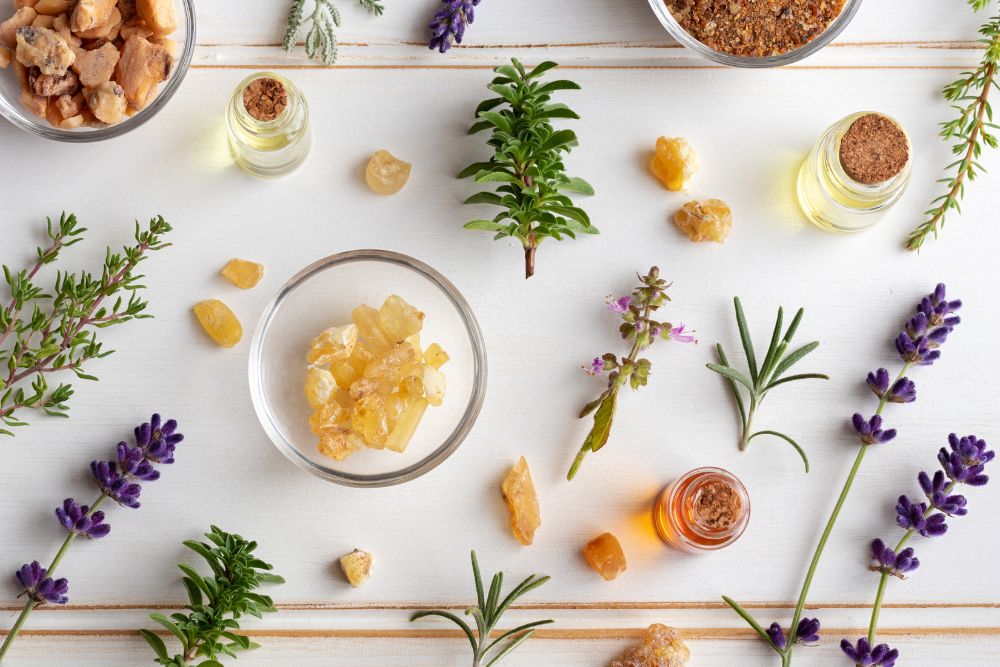
Essential oils (also called ethereal oils) are natural, highly concentrated aromatic substances extracted from various parts of plants – from flowers, leaves, bark, needles, or resin. Each has a characteristic fragrance typical for the given plant.
Producing one small bottle often requires a large amount of plant material. This is why essential oils are used in small doses and with care – their power lies precisely in their concentration.
How Essential Oils Are Made
The processing method has a fundamental impact on the resulting quality and character of essential oil. The most commonly used methods include:
🌿 Steam Distillation
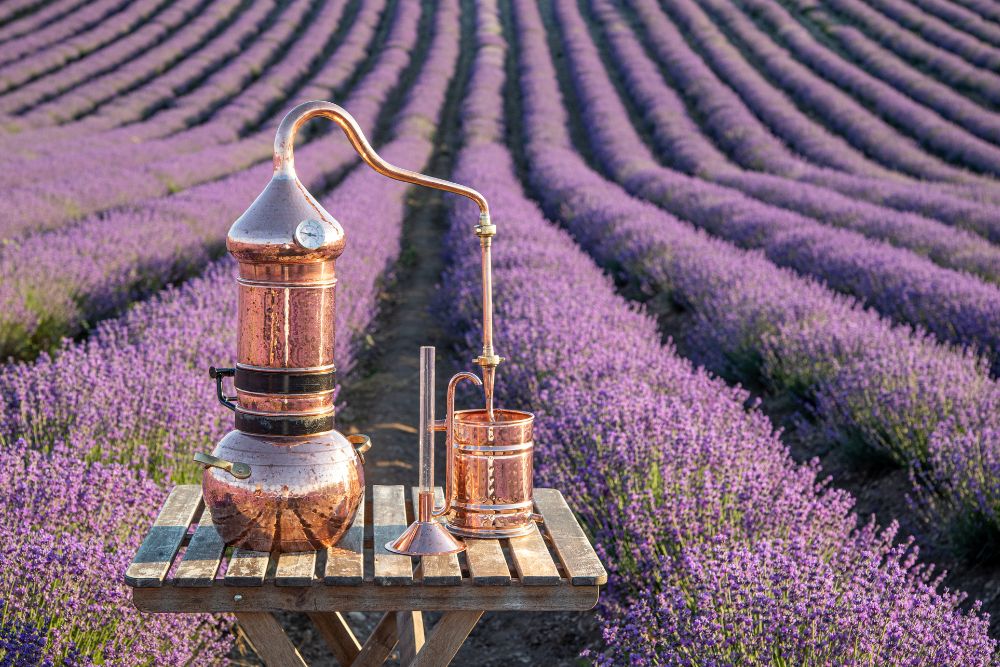
The most common method of producing essential oils. Hot steam passes through plant material, releases aromatic compounds, and they condense together. Pure essential oil is then separated from the resulting mixture. This method is used, for example, with lavender, mint, or eucalyptus.
🍋 Cold Pressing
Specific especially for citrus fruits. The peels of lemons, oranges, or grapefruits are mechanically disrupted, which releases their aromatic components. The advantage of this method is preserving the fresh and "crisp" scent typical of citrus fruits.
🌲 Resin Collection and Processing
For certain trees, such as frankincense or myrrh, essential oil is obtained from resin. The bark is gently incised, the resin flows out, hardens, and is then collected and further processed by distillation or extraction.
Uses and Effects of Essential Oils
Essential oils have wide applications – from aromatherapy, through natural cosmetics to home rituals. Below you will find basic ways to use them safely and meaningfully.
Aromatic Use (Inhalation of Scent)
The simplest form of use. The scent of essential oils can influence the atmosphere in a room and contribute to a sense of well-being.
Usage options:
-
diffuser
-
aroma lamp
-
ceramic pendant
-
fabric handkerchief (1 drop)
💡 Tip: A few drops of lavender oil in a diffuser during the evening can create a more pleasant atmosphere and support relaxation.
Topical Use (on skin – always dilute!)
When applying to skin, it is essential to dilute essential oils in a carrier oil, such as almond, coconut or jojoba.
Uses:
-
massage
-
body oils
-
cosmetics
-
baths (pre-mixed with carrier)
Typical dilution:
-
1–3% for adults
-
0.5–1% for sensitive skin
-
for children only after consultation with a specialist
Internal Use (not recommended)
Internal use of essential oils can be risky and is not commonly recommended.
If anyone is considering it, consultation with a doctor or qualified aromatherapist is essential.
💡Want to know more about safe use? Check out our Practical Guide to Safe Use of Essential Oils.Types of Essential Oils
Each essential oil has a unique aroma and character, making it suitable for different situations and rituals. Among the most popular are:
🌿 Lavender Oil
Delicate floral fragrance, often used in evening relaxation rituals and for calming the atmosphere.
🍋 Lemon Oil
Fresh citrus aroma, popular for its uplifting character and pleasant interior scenting.
🌲 Frankincense Oil
Earthy, deep fragrance, traditionally used during meditation, concentration and calming rituals.
🌱 Peppermint Oil
Fresh menthol scent, often associated with a feeling of cleanliness and space refreshment.
Each of these essential oils brings a different atmosphere and works great in various blends. Choose the one that best matches your mood or specific situation.
Why You Should Use Essential Oils
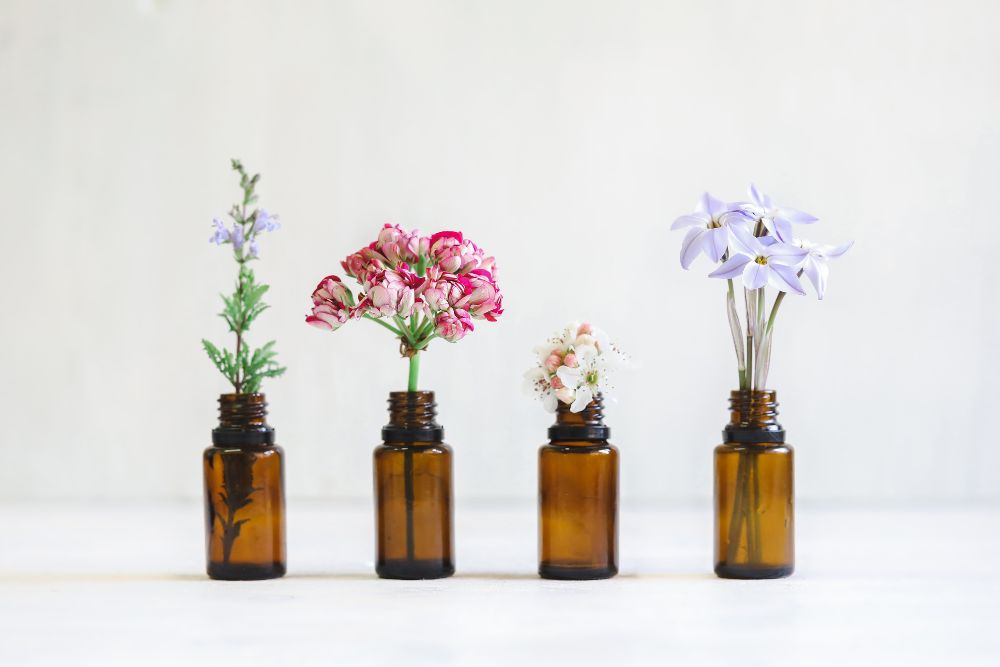
Essential oils are gaining popularity due to their natural origin, distinctive fragrance and versatile use. They contain no synthetic perfumes and can be a pleasant part of everyday household rituals.
Essential oils can help with:
-
creating a pleasant atmosphere in the room,
-
supporting relaxation or calming the environment,
-
enriching body care with natural fragrance,
-
scenting your home in a gentle and natural way.
History of Essential Oils
Fragrances from nature have fascinated humanity for thousands of years. Ancient civilizations around the world used plant essences in ceremonies, body care and household activities.
-
Egyptians used them in cosmetics, during rituals, and to fragrance temples.
-
In India and China, aromatic plants were part of traditional body and spirit care practices.
-
Greeks and Romans valued aromatic oils in baths, during purification rituals, and for massages.
The methods of producing and using aromatic substances were passed down through generations and gradually developed. Modern aromatherapy today builds on these ancient traditions and combines them with new knowledge and safer methods of use.
How to Recognize Quality Essential Oil
Choosing a quality essential oil is the foundation of safe and reliable use. A truly pure oil can be recognized by several clear signs:
✔ Latin plant name
The label should always include the botanical name (e.g., Lavandula angustifolia). This helps distinguish different plant species with the same common name.✔ Dark glass bottles
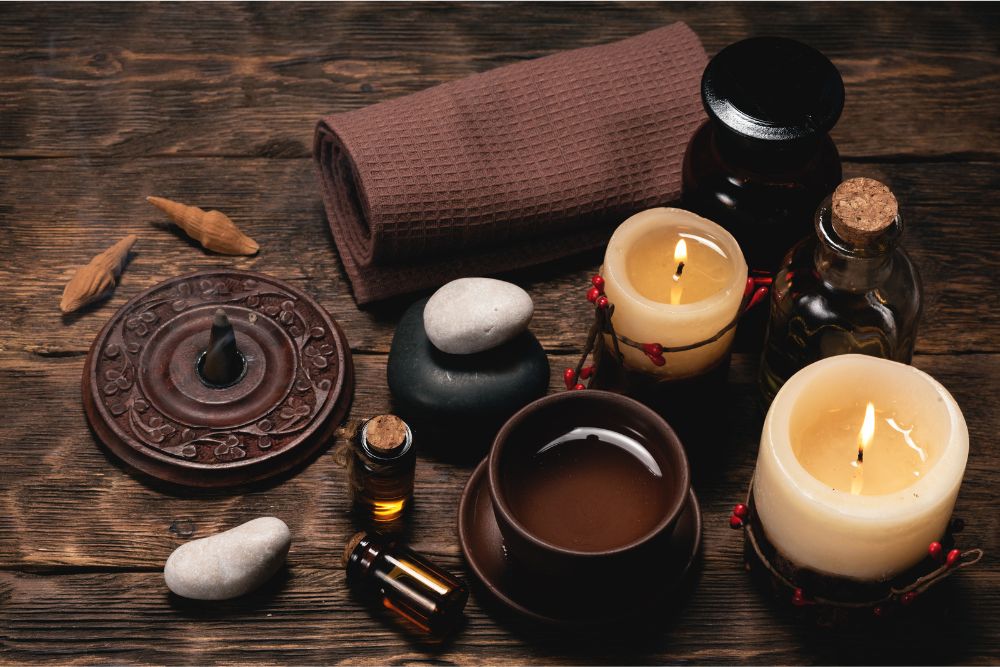
Quality oils are sold in brown or blue glass, which protects the contents from light and extends its stability.✔ 100% pure composition without additives
The packaging should state that it is a pure essential oil without synthetic fragrances, alcohol, or diluents.✔ Reasonable Price
Suspiciously cheap oils may be diluted or replaced with synthetic substitutes. For example, producing quality rose oil is demanding – therefore it cannot cost just a few pennies.✔ Beware of "Fragrance Oil" Label
Fragrance oils are mixtures of synthetic perfumes and are not suitable for aromatherapy or skin application.Want to know what determines the effectiveness and purity of essential oils? Read our article on key factors for their effectiveness and safety.FAQ – Most Common Questions About Essential Oils
🌿 How to safely use essential oils on skin?
Essential oils are highly concentrated, so always dilute them in a carrier oil (e.g. almond, jojoba). Common dilution is 1–3%. Before first use, perform a tolerance test.
🌿 Can I use essential oils during pregnancy or breastfeeding?
Not all oils are suitable. During pregnancy and breastfeeding, it is necessary to consult use with a specialist and choose gentle oils in low dilution.
🌿 How to recognize quality essential oil?
Check for the Latin plant name, indication of 100% purity, country of origin, and dark glass bottle. Avoid synthetic "fragrance oils" which are not suitable for aromatherapy.
🌿Is it safe to use essential oils with children?
For small children, use only gentle oils and in very low dilution. Some oils (e.g. peppermint, eucalyptus) are not suitable for young children at all.
🌿Can essential oils be taken internally?
Internal use is generally not recommended. For ingestion, explicit manufacturer designation and consultation with a doctor or aromatherapist is necessary.
Conclusion
Essential oils can be your everyday fragrant ally, provided you use them with respect and proper dosage. They can improve the atmosphere at home, support relaxation and enrich your self-care rituals. You just need to know their power, give them space and let nature do its work.
👉 Browse our range of essential oils and choose the scent that supports exactly what you need.
-